How to Lose Belly Fat: The Science-Backed Guide for 2026
Belly Fat Loss Calculator & Personalized Plan
Your Body Metrics
Quick Tips
- Spot reduction is a myth—focus on overall body fat reduction through consistent calorie deficit.
- Combine strength training with HIIT for maximum visceral fat burning.
- Prioritize 7-9 hours of quality sleep to regulate hunger hormones.
- Drink 2-3 liters of water daily to support fat metabolism.
You’ve probably heard the myth that you can spot-reduce fat from your stomach by doing hundreds of crunches every day. It’s a tempting idea, but it doesn’t work. Your body decides where to burn fat based on genetics and hormones, not on which muscle you’re flexing. If you want to lose fat from your abdomen, you need to lower your overall body fat percentage while targeting the specific types of fat that accumulate there.
The good news? You have more control than you think. By combining strategic nutrition, the right kind of movement, and stress management, you can shrink that midsection. This isn’t about quick fixes or starvation diets. It’s about creating a sustainable lifestyle that signals your body to release stored energy from the abdomen first.
Can I lose belly fat without losing weight elsewhere?
No, spot reduction is a myth. You must lose overall body fat to lose abdominal fat. However, some people lose belly fat faster than other areas due to genetics and hormone levels.
Understanding the Two Types of Abdominal Fat
Before you start any routine, you need to know what you’re fighting against. There are two main types of fat in your belly, and they behave very differently.
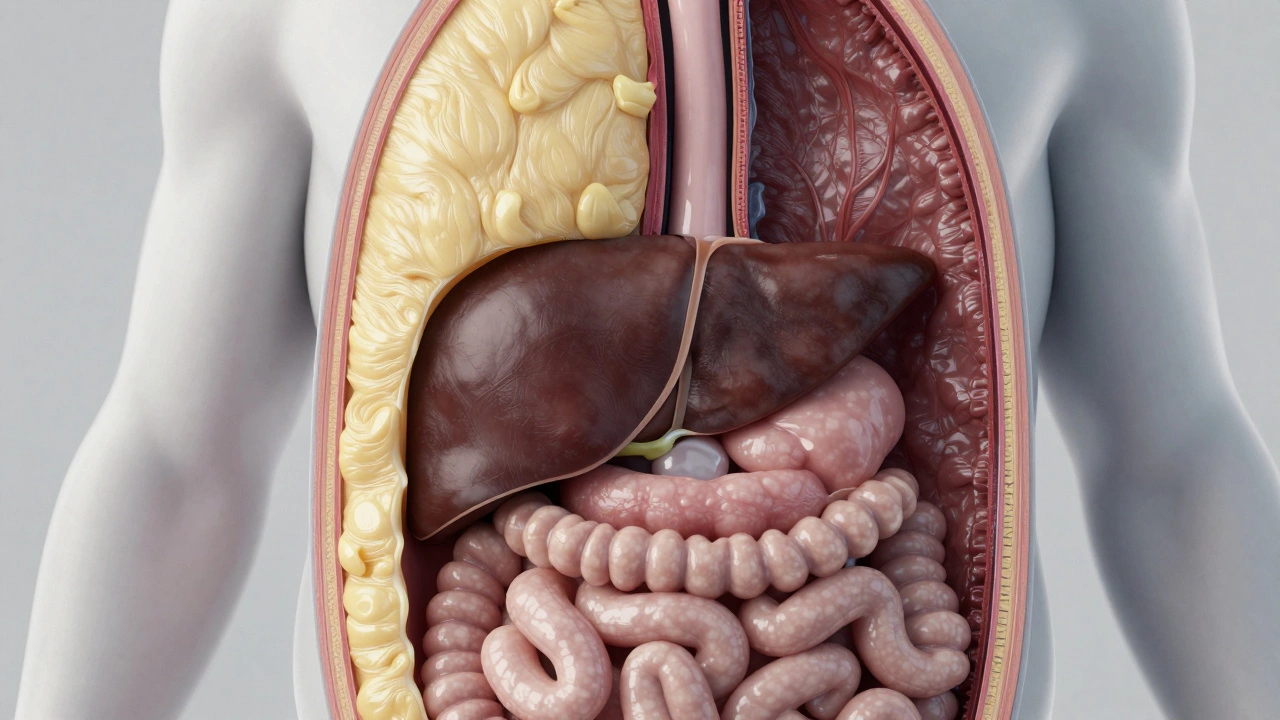
Subcutaneous fat is the soft layer just under your skin. You can pinch it. While it might bother you aesthetically, it’s relatively harmless to your health. Losing this type takes time and consistent effort because your body holds onto it as a reserve.
Visceral fat is the dangerous one. It sits deep inside your abdomen, wrapping around your liver, pancreas, and intestines. You can’t pinch it. This fat is metabolically active, meaning it releases inflammatory chemicals and fatty acids directly into your bloodstream. High levels of visceral fat are linked to heart disease, type 2 diabetes, and even certain cancers. The silver lining? Visceral fat is often the first to go when you make positive changes to your diet and activity levels.
If you have a "skinny fat" physique-where you look thin but have a protruding belly-it’s likely visceral fat or poor posture causing the issue. Addressing both requires a holistic approach, not just abs workouts.
The Nutrition Rule: Calorie Deficit Is King
No amount of exercise will out-train a bad diet. To lose fat, you must be in a calorie deficit, meaning you burn more energy than you consume. For most people, a modest deficit of 300-500 calories per day is enough to see steady progress without triggering hunger hormones that sabotage your efforts.
But not all calories are created equal. What you eat matters just as much as how much you eat. Here’s how to structure your plate for maximum belly fat loss:
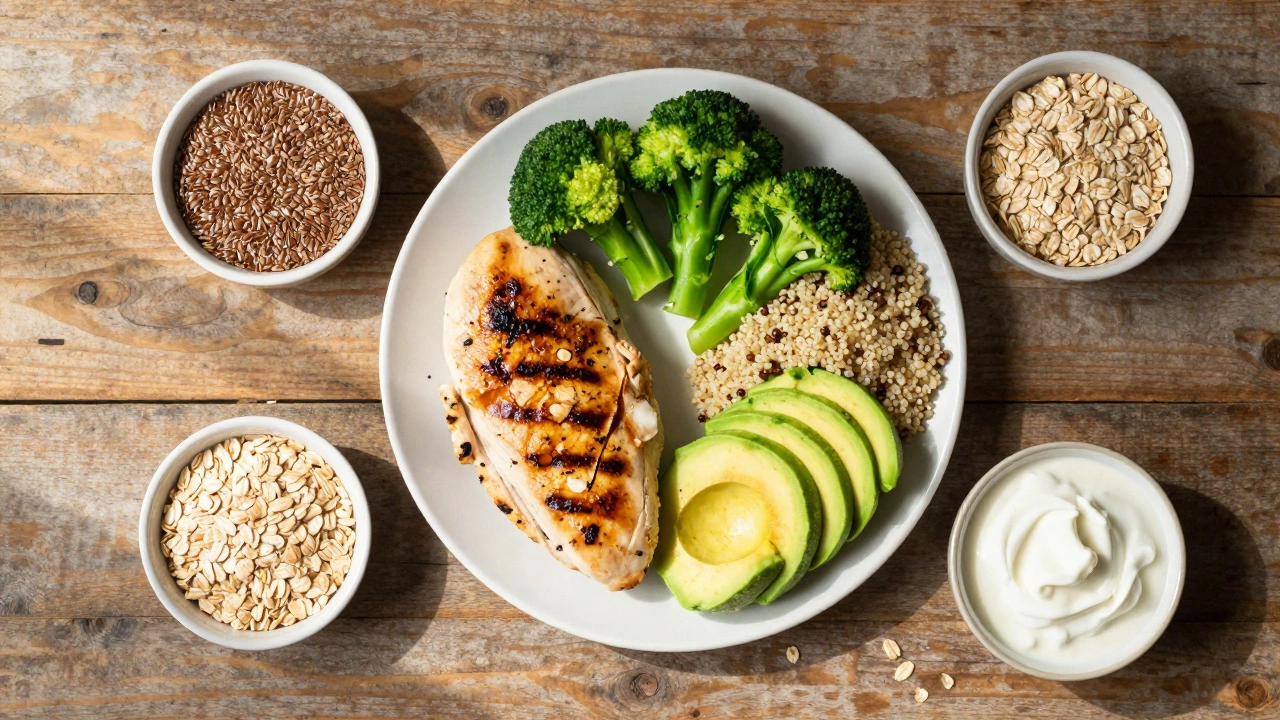
- Prioritize Protein: Aim for 0.7-1 gram of protein per pound of target body weight. Protein keeps you full longer and has a high thermic effect, meaning your body burns more calories digesting it compared to fats or carbs. Sources like chicken breast, fish, tofu, and Greek yogurt are excellent choices.
- Cut Refined Carbs: White bread, pasta, and sugary snacks spike your insulin levels. High insulin blocks fat burning and encourages fat storage, especially in the abdomen. Swap these for complex carbs like oats, quinoa, and sweet potatoes.
- Eat More Fiber: Soluble fiber absorbs water and forms a gel in your gut, slowing digestion and keeping you satisfied. Studies show that increasing soluble fiber intake by 10 grams per day can reduce belly fat accumulation over time. Think avocados, legumes, and flaxseeds.
- Avoid Liquid Calories: Sugary sodas, fruit juices, and even excessive alcohol contribute significantly to visceral fat. Alcohol, in particular, pauses fat burning as your liver prioritizes processing the toxin.
Don’t obsess over counting every single calorie if it stresses you out. Instead, focus on whole, unprocessed foods. If you fill 80% of your diet with nutrient-dense options, the other 20% can be flexible. Consistency beats perfection.
Exercise Strategy: Beyond Crunches
Doing sit-ups will strengthen your abdominal muscles, but it won’t necessarily reveal them. If you build strong muscles under a layer of fat, you might actually look bigger temporarily. You need exercises that boost your metabolism and increase total daily energy expenditure.
High-Intensity Interval Training (HIIT) is one of the most effective tools for burning visceral fat. HIIT involves short bursts of intense effort followed by rest periods. For example, sprint for 30 seconds, then walk for 90 seconds. Repeat this cycle for 15-20 minutes. This method triggers "excess post-exercise oxygen consumption" (EPOC), meaning your body continues burning calories hours after the workout is done.
However, don’t neglect strength training. Building muscle increases your resting metabolic rate, so you burn more calories even when sitting on the couch. Focus on compound movements that engage multiple muscle groups:
- Squats: Work your legs, glutes, and core.
- Deadlifts: Strengthen your posterior chain and core stability.
- Overhead Presses: Engage shoulders and require significant core bracing.
- Planks: A static hold that strengthens the entire abdominal wall without bulking it up.
Aim for 3-4 strength sessions per week, combined with 1-2 HIIT sessions. If you’re new to exercise, start with brisk walking or cycling and gradually increase intensity. The goal is to move consistently, not to destroy yourself in the gym once a month.
The Hidden Saboteurs: Sleep and Stress
You can eat perfectly and train hard, but if you ignore sleep and stress, your belly fat may stay put. This is where many people get stuck.
Cortisol is your body’s primary stress hormone. When you’re chronically stressed-whether from work, relationships, or lack of recovery-your cortisol levels remain elevated. High cortisol specifically promotes fat storage in the abdominal area. It also breaks down muscle tissue, lowering your metabolism further.
Similarly, poor sleep disrupts hunger hormones. Lack of sleep increases ghrelin (the hunger hormone) and decreases leptin (the satiety hormone). This makes you crave high-calorie, carb-heavy foods. Most adults need 7-9 hours of quality sleep per night. Treat sleep as non-negotiable for weight loss.
To manage stress and improve sleep:
- Practice Mindfulness: Even 10 minutes of meditation or deep breathing can lower cortisol levels.
- Set Boundaries: Learn to say no to extra commitments that drain your energy.
- Create a Sleep Routine: Keep your bedroom cool, dark, and screen-free at least an hour before bed.
- Limit Caffeine: Avoid caffeine after 2 PM, as it can interfere with deep sleep stages.
If you’re constantly exhausted, your body goes into survival mode, holding onto fat as a protective measure. Rest is part of the process, not a break from it.

Hydration and Gut Health
Water plays a crucial role in fat metabolism. Sometimes, thirst masks itself as hunger. Drinking a glass of water before meals can help you eat less and feel fuller. Aim for at least 2-3 liters of water daily, more if you’re active.
Your gut health also influences your waistline. An imbalance in gut bacteria, known as dysbiosis, can lead to inflammation and increased fat absorption. Probiotic-rich foods like yogurt, kefir, sauerkraut, and kimchi support a healthy microbiome. Some strains of probiotics, such as Lactobacillus gasseri, have been shown in studies to reduce abdominal fat over several weeks.
Additionally, bloating can mimic belly fat. If your stomach looks flat in the morning but puffed up by evening, it might be digestive issues rather than pure fat. Identify food intolerances (like lactose or gluten) and keep a food diary to track patterns.
Realistic Expectations and Tracking Progress
Don’t rely solely on the scale. Muscle weighs more than fat by volume, so you might lose inches but gain pounds. Use multiple methods to track your progress:
- Waist Circumference: Measure your waist at the navel level weekly. A reduction here indicates fat loss.
- Progress Photos: Take photos in the same lighting and pose every two weeks. Visual changes are often more noticeable than numbers.
- How Clothes Fit: If your jeans feel looser around the waist, you’re winning.
- Energy Levels: Improved stamina and mood are signs of better health, even if the scale stalls.
Healthy fat loss is slow. Aim for 0.5-1 pound per week. Rapid weight loss often results in muscle loss and water retention, leading to rebound weight gain. Patience is key. Your body changed over years; it won’t fix itself in weeks.
Does cold exposure help burn belly fat?
Cold exposure can activate brown adipose tissue (BAT), which burns calories to generate heat. While it may offer minor benefits, it is not a substitute for diet and exercise. Do not rely on ice baths alone for significant fat loss.
What is the best time to exercise for fat loss?
The best time is whenever you can be consistent. Some studies suggest fasting cardio may slightly enhance fat oxidation, but total daily energy expenditure matters most. Choose a time that fits your schedule and energy levels.
Can supplements help lose belly fat?
Most fat-burning supplements have minimal effects and can be unsafe. Green tea extract and caffeine may provide a slight metabolic boost, but they are not magic pills. Focus on whole foods and lifestyle changes first.
Why am I losing weight but my belly stays the same?
Fat loss is not uniform. Genetics determine where you lose fat last. For many, the abdomen is the final area to slim down. Stay consistent, as belly fat will eventually decrease once overall body fat drops sufficiently.
Is intermittent fasting effective for belly fat?
Intermittent fasting can help create a calorie deficit and improve insulin sensitivity, which aids fat loss. However, it is not superior to traditional calorie restriction if the total calories consumed are the same. Choose the eating pattern you can sustain long-term.