How to Track Your Walks Without a Smartwatch
Walk Distance & Stride Calculator
Estimated Distance:
Your Calculated Stride:
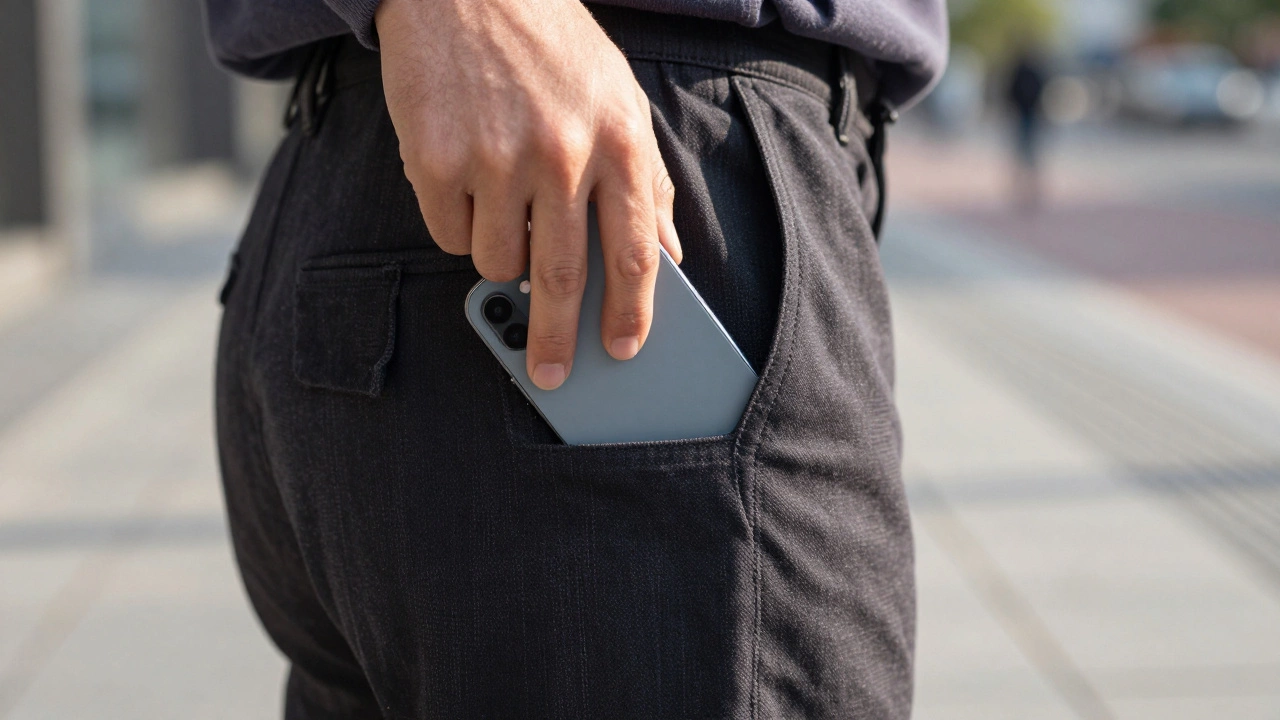
The biggest surprise for most people is that the device they already carry-their smartphone-is essentially a pocket-sized laboratory for motion. Between accelerometers and GPS chips, your phone can often beat a cheap wristband in accuracy, provided you know how to use it.
Quick Wins for Walk Tracking
- Smartphone Apps: Use built-in health apps or third-party GPS trackers.
- Manual Calculation: Use the "time and pace" method based on your average speed.
- Physical Landmarks: Use city blocks or known distance markers.
- Pocket Pedometers: Small, clip-on devices that only count steps.
Turning Your Phone Into a Powerhouse
Most people have Google Fit is a health-tracking platform by Google that aggregates activity data from various sources or Apple Health is the integrated health data ecosystem for iOS devices already installed. These aren't just glorified step counters; they use a process called pedometry via the phone's internal accelerometer. This sensor detects the specific rhythmic movement of your hip, which is actually more accurate for step counting than a wrist movement, which can be fooled by you waving your arms while sitting.
If you want precise distance, you need GPS (Global Positioning System). While a step counter guesses distance based on your height, GPS tracks your actual coordinates on a map. Apps like Strava is a social fitness network and tracking app used primarily for cycling and running or MapMyWalk use this to give you a breadcrumb trail of your journey. If you're walking in a city like Bristol, where streets wind and turn, GPS is the only way to know if that "shortcut" actually saved you any time.
The Old-School Math Method
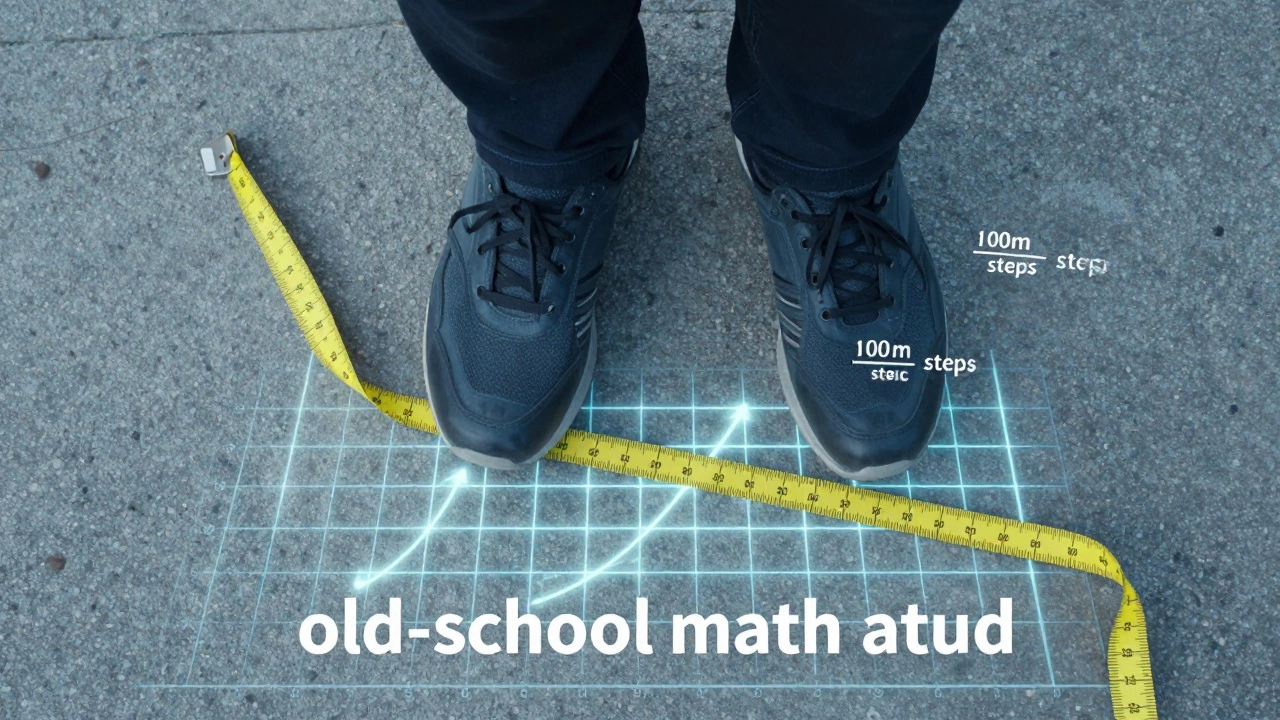
What if your phone dies or you simply want to disconnect from technology? You can still track walk without watch using basic physics. The key here is your stride length. For most adults, a single step is roughly 2.5 feet (0.76 meters). If you can count your steps for one minute, you can calculate your distance over an hour.
Try this simple test: Walk a known distance, like a 100-meter stretch of sidewalk. Count how many steps it takes. Divide 100 by that number, and you have your exact stride length. Now, if you walk for 30 minutes at a steady pace and count 3,000 steps, you can multiply those 3,000 steps by your measured stride length to get your total distance. It's not as instant as a digital screen, but it's a great way to build a mental connection with how your body actually moves.
Using Your Environment as a Ruler
In urban areas, the environment is full of hidden measuring tapes. In many North American cities, city blocks are standardized, but even in the UK, you can use "knowns." For example, a standard athletics track is exactly 400 meters. If you walk four laps, you've done 1.6 kilometers.
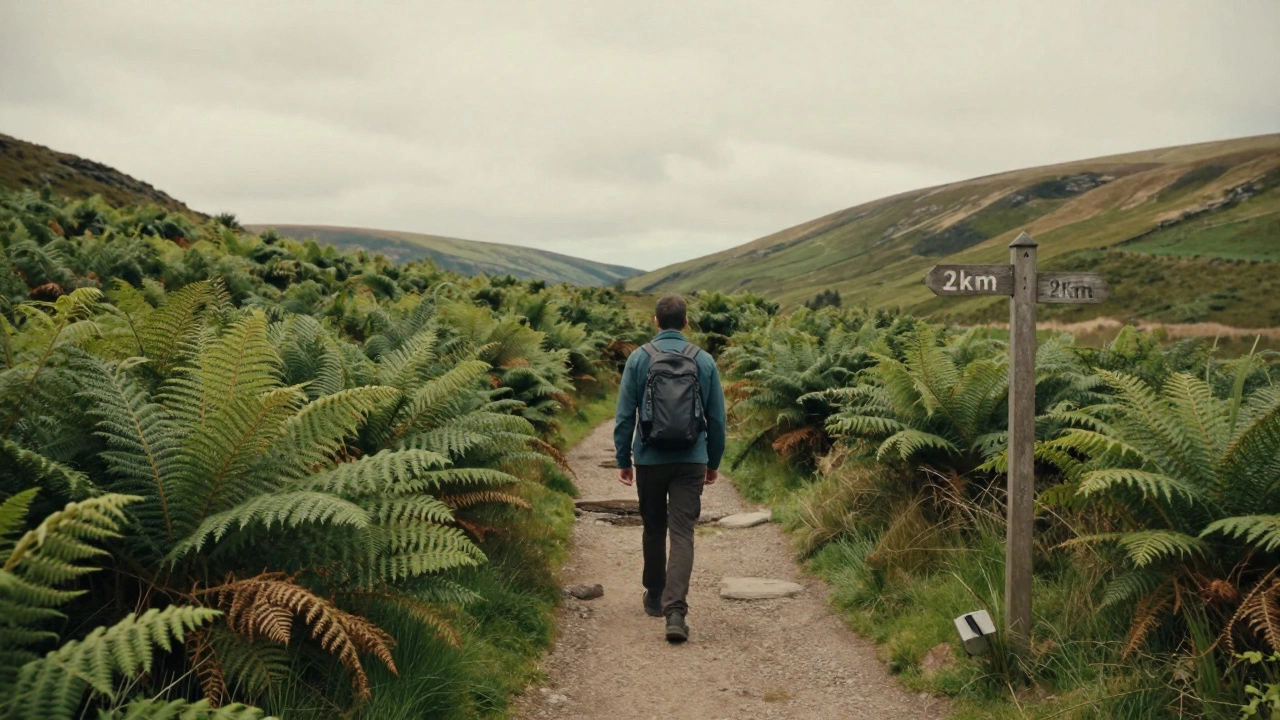
If you're in a park, look for signage. Many nature trails have distance markers every kilometer. By noting the time you pass these markers, you can figure out your average pace. If it took you 12 minutes to get from the 1km mark to the 2km mark, you're walking at a pace of 12 minutes per kilometer (or 5 km/h). This is a reliable way to track progress without worrying about signal drop-outs or battery life.
| Method | Accuracy | Effort | Best For... |
|---|---|---|---|
| Smartphone GPS | Very High | Low | Detailed route mapping and pace |
| Phone Accelerometer | Medium | Very Low | Daily step goals |
| Manual Stride Math | Medium | High | Tech-free zones / Mindful walking |
| Environmental Markers | High | Medium | Consistency and interval training |
Avoiding Common Tracking Pitfalls
One major mistake people make when using a phone in their pocket is relying on "Auto-detect." Some apps wait until you've walked for 10 minutes before they start recording. If your walk is short, you might miss the first kilometer entirely. Always manually hit "Start" if you want the full data.
Another issue is "GPS Drift." If you're walking through a dense forest or between skyscrapers, the signal can bounce, making it look like you walked a zig-zag pattern instead of a straight line. This usually inflates your distance. To fix this, try to keep your phone in a waistband or a pocket that is closer to the sky rather than buried deep in a bag.
The Psychology of Unplugged Tracking
There is a genuine mental benefit to moving away from the "gamification" of fitness. When we stare at a watch every two minutes to check our heart rate or step count, we stop listening to our bodies. Tracking your walk manually or via a phone left in a pocket allows you to focus on your breathing and the scenery.
Instead of chasing a number, try tracking by perceived exertion. On a scale of 1 to 10, how hard is your heart working? If you're at a 4, you're strolling; at a 7, you're power walking. Combining this feeling with a simple map check at the end of your journey provides a more holistic view of your health than a wristband ever could.
Is a phone as accurate as a Fitbit or Apple Watch?
In many cases, yes. For distance, a phone's GPS is often more precise than the wrist-based sensors. For step counting, a phone kept in a pocket (near the center of gravity) can actually be more accurate than a watch, which may count arm movements (like cooking or gesturing) as steps.
How do I calculate my stride length?
Find a measured distance, such as a 10-meter stretch of pavement. Walk that distance at your normal pace and count your steps. Divide the distance (10m) by the number of steps. For example, if it took 13 steps, your stride length is approximately 0.77 meters.
Will using GPS apps drain my phone battery quickly?
Yes, GPS is one of the most power-hungry features on a smartphone. To mitigate this, turn off unnecessary background apps or use a "battery saver" mode. For very long walks, consider a dedicated pocket pedometer which uses a simple coin battery and lasts for months.
Can I track my walk using Google Maps?
You can use the "Timeline" feature in Google Maps to see where you've been and the approximate distance covered. While not a real-time fitness tracker, it's a great way to retrospectively see how many miles you covered in a day.
What is the best free app for walking without a watch?
For simple step counting, Google Fit or Apple Health are best as they are built-in. For detailed route and distance tracking, Strava is widely considered the gold standard due to its accuracy and community features.