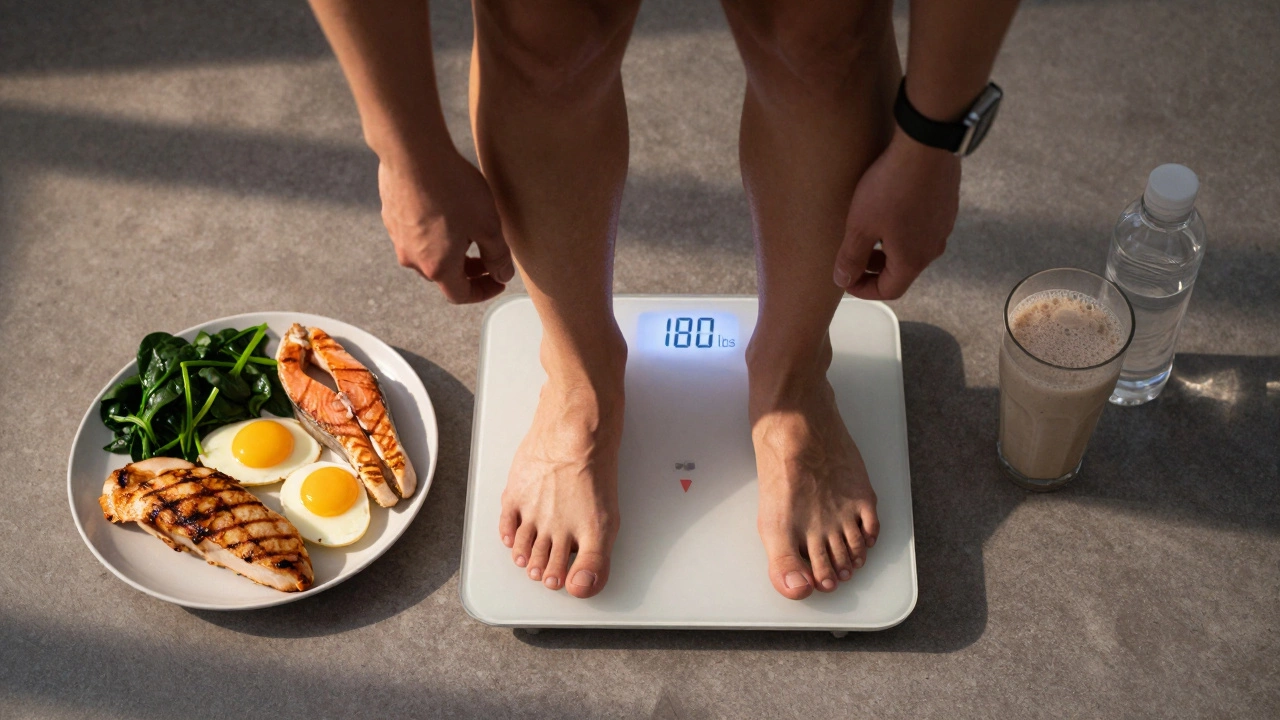
How to Lose 20 Pounds in a Month: Realistic Steps and Risks
Losing 20 pounds in a month is possible but risky. This guide breaks down the science, dangers, and realistic steps to lose fat safely-without wrecking your metabolism or health.
Read MoreWhen you hear calorie deficit, the state where you burn more calories than you consume, enabling weight loss. Also known as energy imbalance, it’s the foundation of every successful weight loss plan—no magic pills, no detoxes, just simple math your body actually understands. But here’s the thing: a calorie deficit isn’t just about cutting snacks or skipping dessert. It’s about how your body responds over time, how stress and sleep mess with your hunger signals, and why some people lose weight easily while others struggle even when they’re eating the same amount.
Most people think a calorie deficit means eating as little as possible, but that’s where things go wrong. Your metabolism, the process your body uses to convert food into energy doesn’t sit still. If you slash calories too hard, your body slows down to protect itself—burning fewer calories, holding onto fat, and making you hungrier. That’s why so many people hit plateaus. The real trick is creating a small, steady deficit that your body can handle without screaming for food. Combine that with enough protein to keep your muscle intact, and you’re not just losing weight—you’re reshaping your body in a way that lasts.
And it’s not just about what you eat. Your nutrition, the quality and balance of the food you consume plays a huge role. Two people eating 1,500 calories a day can have totally different results—one eating chips and soda, the other eating veggies, lean protein, and whole grains. The second person feels fuller longer, has steadier energy, and doesn’t crash into binge mode by Wednesday. That’s why the best calorie deficits aren’t just low in calories—they’re high in satisfaction.
You’ll find posts here that break down why HIIT sometimes makes you gain weight instead of lose it (hint: it’s not the workout, it’s the recovery and stress). You’ll see how walking more than lifting weights can actually help you lose belly fat when done right. You’ll learn why you might not see results after two weeks of hard workouts—and why that’s completely normal. This isn’t about quick fixes or extreme diets. It’s about understanding how your body works, how to work with it, and how to make progress without feeling deprived. The articles below give you real, no-nonsense advice from people who’ve been there—not fitness influencers selling supplements, but real women figuring out what works for their bodies, their schedules, and their lives.
Losing 20 pounds in a month is possible but risky. This guide breaks down the science, dangers, and realistic steps to lose fat safely-without wrecking your metabolism or health.
Read More
Learn how many daily steps you need to lose weight, factors that affect calorie burn, and how to set realistic step goals using fitness apps.
Read More
Curious about dropping pounds fast? This no-fluff guide delivers real tips, smart eating hacks, and eye-opening facts for rapid, lasting weight loss.
Read More