Yoga Philosophy: What It Really Means and How It Changes Your Practice
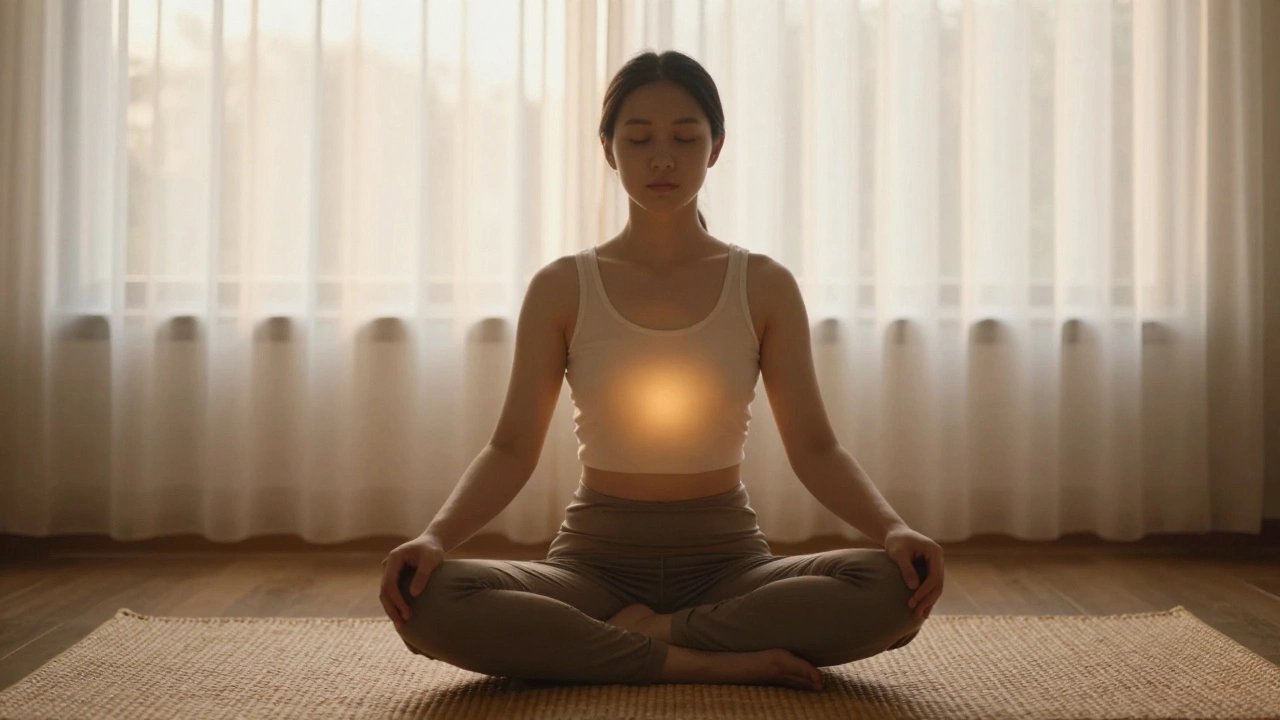
When people talk about yoga philosophy, the ancient system of principles guiding how to live with awareness, balance, and kindness. Also known as yoga ethics, it’s not something you read in a book and forget—it’s something you live, breath by breath, moment by moment. Most of us start yoga for flexibility or stress relief, but the deeper layers? They’re what keep you coming back long after the stretch fades. Yoga philosophy isn’t about perfection in a pose. It’s about showing up for yourself—even on days you feel heavy, tired, or unsure.
This is why you’ll find posts here about daily yoga routine, the simple act of showing up consistently, even for just 10 minutes, and why magic number in yoga, the idea that 40 days of steady practice rewires your nervous system and builds real change shows up again and again. These aren’t fitness tips. They’re philosophical anchors. When you practice yoga with intention, you start noticing how you treat yourself off the mat—how you speak to your body, how you handle frustration, how you rest. That’s the heart of yoga philosophy: it turns movement into mindfulness.
You won’t find posts here pushing advanced poses or claiming you need to meditate for hours. Instead, you’ll see how child’s pose, a simple, grounding posture that resets your nervous system holds more wisdom than any complex asana. You’ll see how walking, rest, and cutting sugar connect to deeper yoga principles—not because they’re "yoga," but because they honor your body’s need for peace. Yoga philosophy doesn’t demand more. It asks you to stop chasing results and start noticing what’s already here.
What you’ll find in this collection aren’t abstract teachings from ancient texts. They’re real, messy, human stories—about gaining weight while doing HIIT, wondering if two rest days hurt progress, or asking if walking is better than yoga. Those questions? They’re all part of yoga philosophy too. Because yoga isn’t just what happens on the mat. It’s how you respond when your body doesn’t cooperate. It’s choosing kindness over criticism. It’s letting go of the idea that you need to fix yourself to be worthy of peace.
These posts don’t tell you what to think. They show you how to feel—how to breathe through discomfort, how to honor your limits, how to find strength in stillness. And that? That’s the real work of yoga philosophy. Not bending your body. Changing your relationship with it.