The 24 Hour Rule in Running: How to Recover Smarter

The 24 Hour Rule is a recovery principle stating that a runner should avoid high-intensity exercise or heavy loading for at least 24 hours following a maximal effort event or a particularly grueling workout. It focuses on the physiological window where the body is most vulnerable to injury and is working hardest to repair tissue. By respecting this window, you aren't just resting; you're allowing your biological systems to reset and strengthen.
Quick Recovery Takeaways
- The Goal: Prevent overuse injuries and avoid chronic fatigue.
- The Timing: Complete rest or very low-impact movement for 24 hours post-effort.
- The Logic: Muscle fibers are micro-torn and glycogen stores are depleted.
- The Signal: If you feel 'heavy' or 'stiff,' the rule is still in effect.
Why Your Body Needs a Day Off
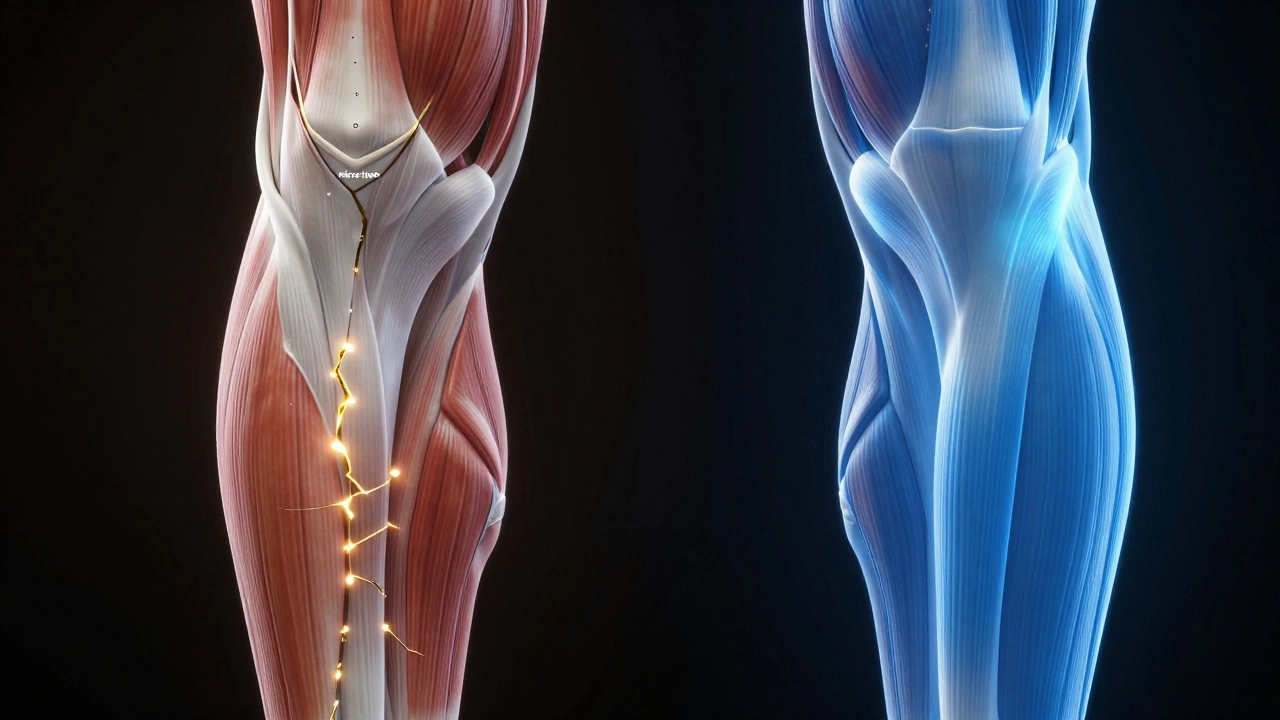
When you push your body to the limit-whether it's a sprint session or a long Sunday run-you create thousands of tiny micro-tears in your muscle fibers. This is a normal part of training. However, the actual improvement doesn't happen *during* the run; it happens while you sleep and rest. This process is called supercompensation. If you jump back into a hard workout too quickly, you interrupt this repair process. You're essentially tearing down a building while the construction crew is still trying to put the bricks back in place.
Beyond the muscles, your central nervous system (CNS) takes a hit. A maximal effort event triggers a massive release of cortisol and puts your sympathetic nervous system in overdrive. If you don't give your brain and nerves 24 hours to settle back into a parasympathetic state (the "rest and digest" mode), your coordination drops. Poor coordination leads to bad form, and bad form is how you end up with a twisted ankle or a strained calf.
The Science of Muscle Soreness
You've likely heard of DOMS (Delayed Onset Muscle Soreness). Unlike the immediate burn you feel during a run, DOMS is the soreness that peaks 24 to 72 hours after strenuous activity. It's caused by the inflammatory response to those micro-tears. If you ignore the 24 hour rule and run through the early stages of DOMS, you risk transforming a temporary inflammatory response into a long-term overuse injury, such as tendinitis.
Consider a runner who finishes a 20-mile long run on Saturday. By Sunday morning, they feel a slight tightness in their Achilles. Instead of resting, they decide to do a "recovery run" of 4 miles. Because the muscle fibers are still compromised and the inflammation is peaking, the Achilles tendon takes more load than it can handle. This is how a simple training run becomes a six-week recovery process for an injury.
How to Apply the Rule to Your Running Plan
Applying the 24 hour rule doesn't mean you have to lie perfectly still on your sofa for a full day, although that's certainly an option. The key is to avoid loading. Loading refers to any activity that puts significant stress on your joints and muscles. Here is how to handle your 24-hour window based on the intensity of your effort:
| Effort Type | The 24-Hour Goal | Recommended Activity | What to Avoid |
|---|---|---|---|
| Intervals/Sprints | CNS Recovery | Walking, light stretching | Fast walking, jogging |
| Long Run (Half/Full) | Tissue Repair | Gentle swimming, yoga | Any running, heavy lifting |
| Race Day | Systemic Reset | Complete rest, hydration | Anything that raises heart rate |
If you're following a structured running training plan, you'll notice that most coaches schedule a "recovery day" or a "rest day" immediately following a long run or a speed session. This isn't an accident. It's a built-in application of the 24 hour rule. If your plan tells you to run on Monday after a hard Sunday, check your effort levels. If you're still feeling the effects of Sunday, push that Monday run to Tuesday. Your body doesn't care about the calendar; it cares about biological readiness.
Active Recovery vs. Passive Recovery
There is a big difference between "not running" and "resting." Passive recovery is simply doing nothing-sleeping, reading, and hydrating. Active recovery involves very low-intensity movement that increases blood flow without adding stress. Blood flow is the delivery system for nutrients and oxygen that your muscles need to heal.
For example, Low-Impact Exercise like swimming or using an elliptical can be great. Because you aren't hitting the pavement, you avoid the eccentric loading (the "shock" of the foot hitting the ground) that causes further muscle damage. A 20-minute stroll through a park is an excellent way to signal to your body that it's time to move, without actually demanding a high-performance output.

Common Pitfalls: When Runners Ignore the Rule
The most dangerous trap is the "Feel-Good Window." About 12 to 18 hours after a hard run, some people feel a strange burst of energy. This is often a result of lingering adrenaline and endorphins. You might feel like you've "recovered quickly" and decide to hit the gym or go for a quick jog. This is a mistake. The structural damage to your muscles is still there, even if your brain is telling you that you're fine. This is when most acute injuries happen-not because the runner isn't fit, but because they are training on fatigued tissues.
Another mistake is relying too heavily on recovery gadgets. Massage guns and compression boots are helpful tools, but they are not substitutes for time. You cannot "hack" the 24 hour rule. A Compression Boot may reduce swelling and make your legs feel lighter, but it doesn't instantly repair a micro-tear in the sarcomere of your muscle cell. Time and sleep are the only true cures.
Integrating Recovery into Your Weekly Routine
To make this rule work, you need to be honest about your perceived exertion. Use a scale of 1 to 10. If a workout was an 8, 9, or 10, the 24 hour rule is mandatory. If it was a 4 or 5, you might only need a few hours of rest. This flexibility allows you to maintain consistency without burning out.
- Track your effort: Note the intensity of every run in your log.
- Listen to your morning stiffness: If you can't easily touch your toes or your calves feel tight upon waking, you are still in the recovery window.
- Prioritize sleep: Most muscle repair happens during deep sleep. Aim for 7-9 hours the night after a hard effort.
- Hydrate and fuel: Protein for muscle repair and carbohydrates to refill Glycogen (the stored form of glucose in your muscles).
Does the 24 hour rule apply to everyone?
Yes, but the duration may vary. A seasoned marathoner with years of aerobic base might recover faster than a beginner. However, the physiological need for tissue repair and CNS reset is universal. Even elites take recovery days to avoid overtraining syndrome.
Can I do strength training during the 24-hour window?
It depends on the intensity. Heavy squats or deadlifts are high-load activities and should be avoided. Light mobility work, core exercises, or upper-body strength training are generally fine, as they don't put excessive stress on the lower-body muscles that were just taxed by running.
What happens if I run every day without a break?
If you consistently ignore recovery windows, you enter a state of chronic fatigue. This often manifests as a plateau in performance, increased resting heart rate, and a higher likelihood of stress fractures or tendon tears because the body never finishes the repair cycle.
Is a 15-minute walk considered 'active recovery'?
Absolutely. A gentle walk increases blood circulation and helps clear metabolic waste from the muscles without introducing new stress or causing further muscle fiber damage. It is one of the best ways to implement the 24 hour rule.
How do I know when the 24 hours are 'over'?
The 24 hours is a guideline. You are truly recovered when your resting heart rate returns to normal, your muscle tenderness has decreased, and you feel a mental desire to train again. If you're still exhausted after 24 hours, extend the rule to 48.
Next Steps for Different Runners
For Beginners: Don't be afraid of rest. Many new runners feel guilty for not running daily. Remember that you get stronger during the rest, not the run. Start by implementing one full day of zero impact after every long run.
For Intermediate Runners: Focus on the quality of your recovery. Instead of just sitting on the couch, try a 20-minute gentle yoga flow or a slow swim. This keeps your joints mobile while respecting the loading rule.
For Advanced Athletes: Pay close attention to your heart rate variability (HRV). If your HRV is low the morning after a hard effort, the 24 hour rule might need to be extended to 36 or 48 hours to avoid overtraining.