The 30 30 30 Rule: A Simple Guide to Morning Weight Loss
30 30 30 Rule Meal Planner
Design your metabolic-boosting morning start
Step 1: Build Your 30g Protein Goal
Select foods to reach your target of 30g of protein within 30 minutes of waking.
Your Morning Blueprint
Daily Checklist:
✓ 30g Protein
✓ 30 Min LISS Activity
✓ Within 30 Min of Waking
- Eat 30 grams of protein within 30 minutes of waking up.
- Perform 30 minutes of low-intensity steady-state activity.
- Keep these habits consistent daily to stabilize blood sugar.
- Avoid high-carb breakfasts like bagels or sugary cereals.
What exactly is the 30 30 30 rule?
The 30 30 30 rule is a dietary and lifestyle framework designed to optimize metabolic health by prioritizing protein intake and low-intensity movement immediately after waking
. It isn't a strict medical prescription, but rather a set of guidelines that lean on how our bodies process energy. The core idea is to prevent the dreaded blood sugar spike and crash that often happens when we start our day with caffeine and a pastry, or even worse, nothing at all.When you wake up, your body is in a state of fasting. If you hit it with refined carbs, your Insulin (the hormone that regulates glucose) spikes. This leads to a crash two hours later, leaving you shaking and hunting for a chocolate bar by 11 AM. By eating 30 grams of protein first, you create a metabolic buffer that keeps your energy steady all day.
Why 30 grams of protein in 30 minutes?
Why not 10 grams? Or 60? The number 30 is a sweet spot for most people to trigger muscle protein synthesis and promote satiety. Protein takes longer to digest than carbohydrates, meaning it stays in your system longer and keeps you feeling full. When you consume this amount of protein within a short window of waking, you tell your brain and gut that you have plenty of fuel, which shuts down the hunger hormones that usually lead to overeating at lunch.
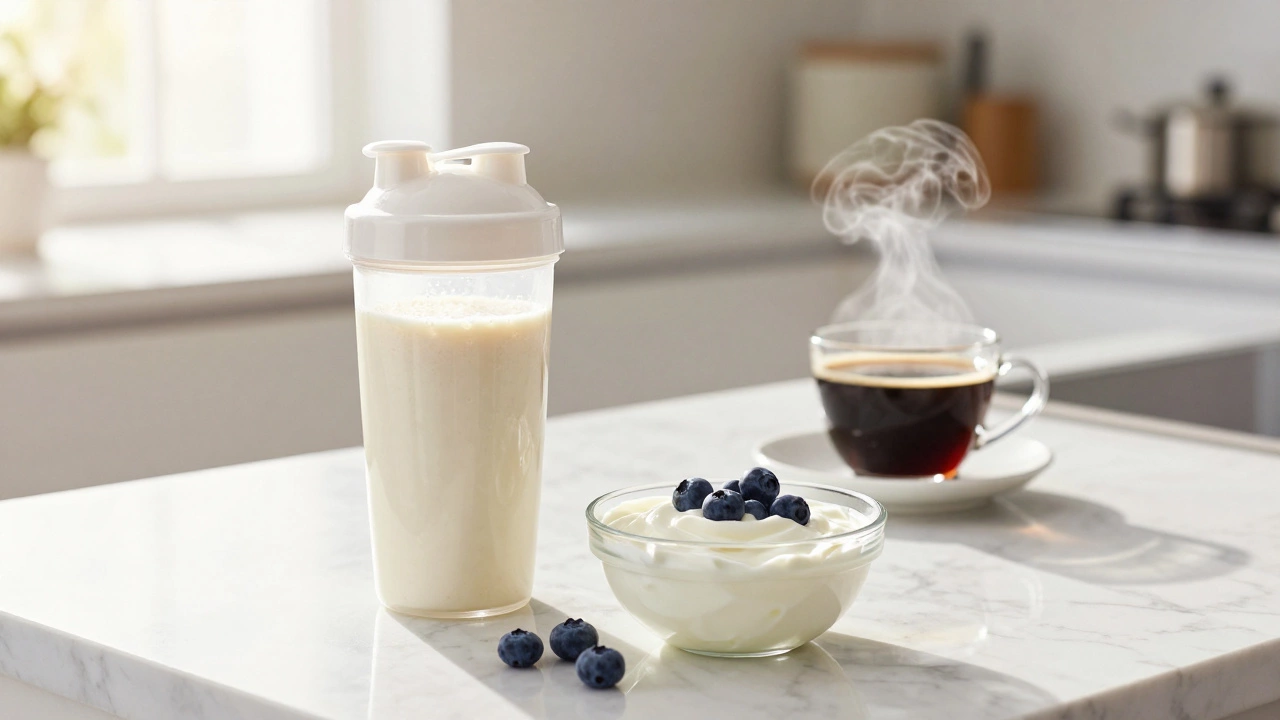
For many, eating a full meal of eggs or chicken at 7 AM is a struggle. This is where protein shakes become a lifesaver. A high-quality shake allows you to hit that 30g target without feeling stuffed or spending an hour in the kitchen. If you use a Whey Protein powder, you're getting fast-absorbing amino acids that wake up your muscles instantly. If you're plant-based, a pea and rice blend can do the same trick.
| Food Source | Amount for ~30g Protein | Preparation Time |
|---|---|---|
| Whey Protein Powder | 1 to 1.5 scoops | 2 minutes |
| Eggs (Large) | 5 eggs | 8-10 minutes |
| Greek Yogurt (Plain) | ~300-350 grams | 1 minute |
| Chicken Breast | ~100-120 grams | 15-20 minutes |
| Cottage Cheese | ~300 grams | 1 minute |
The role of the 30-minute walk
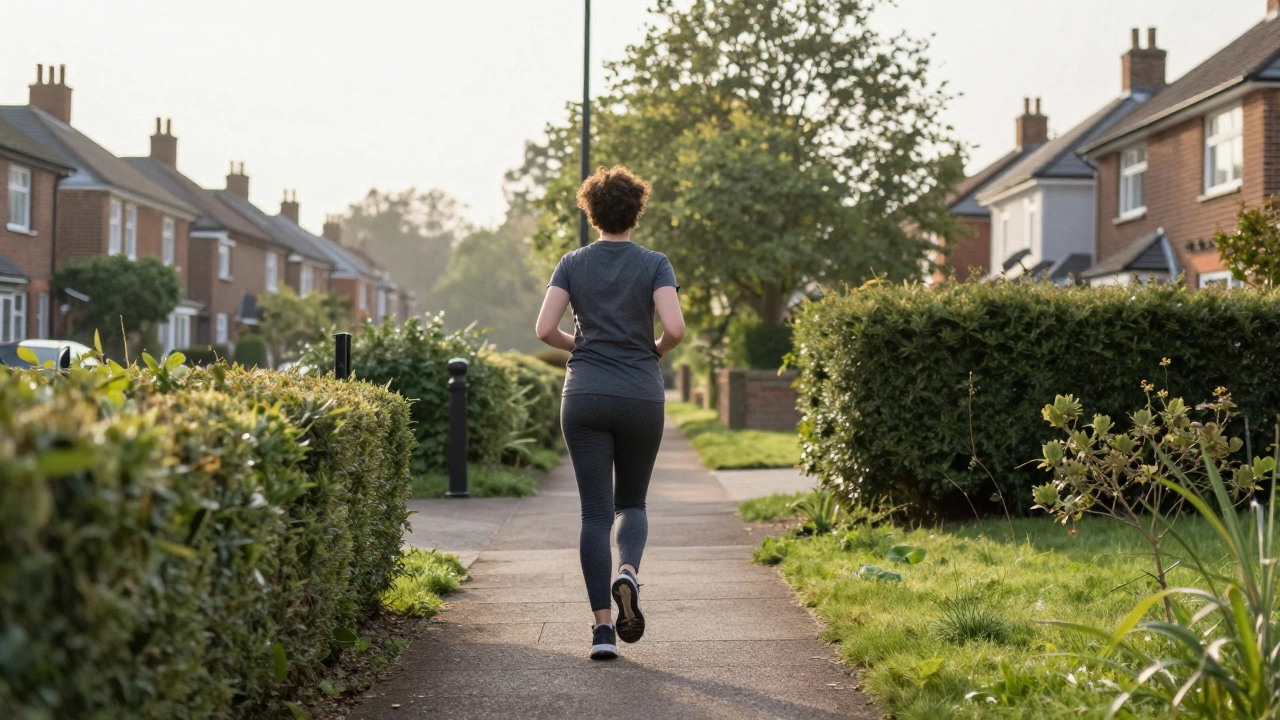
Eating the protein is only half the battle. The second part of the rule requires 30 minutes of low-intensity activity. We aren't talking about a grueling HIIT session or a heavy weightlifting circuit. Think of a brisk walk, light gardening, or a slow cycle. This is often called LISS (Low-Intensity Steady State) cardio
.Why keep it low intensity? Because when you've just eaten, your body is diverting blood flow to the digestive system. If you do a high-intensity workout, your body competes for that blood flow, which can lead to indigestion or a massive cortisol spike. A gentle walk, however, helps your muscles soak up the glucose from your bloodstream, further stabilizing your blood sugar. It essentially "cleans up" any lingering sugar in your system, making it harder for your body to store it as fat.
How to actually implement this in a busy schedule
Let's be real: most of us are rushing to get kids to school or logging into Zoom calls by 8 AM. Doing a 30-minute walk and a high-protein breakfast sounds like a luxury. But you can cheat the system. You don't have to do the walk and the meal at the exact same second. The goal is to get the protein in quickly and fit the movement into your early morning window.
- Prep the night before: Put your shaker bottle and protein powder on the counter. If you prefer Greek yogurt, put it in a bowl with some berries.
- The "Commute Walk": If you take a bus or train, get off one stop early. If you work from home, take a lap around the block before you open your laptop.
- The Protein Priority: Drink your shake first. Even if you aren't hungry, the protein acts as a metabolic anchor.
A common mistake people make is adding too many "extras" to their morning shake. If you blend in a whole banana, a cup of oats, and two tablespoons of peanut butter, you've turned a high-protein metabolic tool into a calorie bomb. Stick to water, almond milk, or a small handful of berries to keep the insulin response low.
Common pitfalls and how to avoid them
One of the biggest hurdles is the "coffee first" habit. Many of us drink black coffee on an empty stomach. While caffeine is great for alertness, it can increase cortisol (the stress hormone) in some people, which can actually trigger a glucose release from the liver. By pairing your coffee with that 30g of protein, you blunt the cortisol response and keep your mood stable.
Another trap is thinking that any breakfast is fine as long as it has some protein. A "protein pancake" made with flour and syrup still triggers a heavy insulin response. To make the 30 30 30 rule work, you need to keep the carbohydrates low during this window. Focus on the protein and the movement; save the heavier carbs for later in the day when your muscles are more primed to use them for energy.
Who is this rule best for?
This approach is particularly effective for people dealing with Insulin Resistance
, which is common in those with pre-diabetes or PCOS. When your cells don't respond well to insulin, your blood sugar stays high, making weight loss feel impossible. By forcing a protein-first start and adding movement, you're essentially manually lowering your blood sugar levels.It's also a game-changer for "emotional eaters" or those who struggle with bingeing in the evening. Most evening binges are actually a result of blood sugar crashes that started in the morning. By stabilizing your glucose at 7 AM, you reduce the biological drive to eat sugar at 7 PM. It's a domino effect: better morning habits lead to better evening choices.
Can I drink my coffee before the protein?
Yes, but if you find that coffee on an empty stomach makes you jittery or anxious, try drinking your protein shake first. This helps stabilize your blood sugar and can mitigate the stress response caused by caffeine.
Do I have to walk, or can I do something else?
The goal is low-intensity steady-state activity. Light yoga, a slow bike ride, or even active housework works. Avoid high-intensity training (like sprinting or heavy lifting) during this specific 30-minute window to keep cortisol levels balanced.
What if I'm not hungry in the morning?
This is exactly why protein shakes are recommended. A liquid meal is much easier to consume when you have no appetite, and it still provides the necessary amino acids to kickstart your metabolism.
Is 30 grams of protein too much for one meal?
For most healthy adults, 30g is a standard and safe amount. It is generally the threshold required to maximally stimulate muscle protein synthesis. However, if you have kidney issues, you should consult a doctor before significantly increasing your protein intake.
Can I use a protein bar instead of a shake?
You can, but be careful. Many protein bars are loaded with sugar alcohols or syrups that can spike your insulin, defeating the purpose of the rule. Check the label for low sugar and a high protein-to-calorie ratio.
What to do if you miss a day
Don't let one bad morning spiral into a bad week. If you wake up late and miss your window, don't try to "double up" on protein at lunch. Simply refocus on your next meal. The power of the 30 30 30 rule comes from consistency over time, not perfection in a single day. If you're traveling or in a hotel, a simple Greek yogurt from the breakfast buffet or a pre-packed protein shake can keep you on track.
If you find the 30-minute walk too daunting, start with 10 minutes. The jump from zero to thirty is big, but the jump from zero to ten is easy. Once your body starts feeling the benefits-more energy, less brain fog, and steadier hunger-you'll naturally want to hit the full 30 minutes.