The Best Beginner Strength Programs: A Practical Guide for 2026
Find Your Perfect Beginner Strength Program
2-3 Days
I have a busy schedule or prefer fewer sessions.
4-6 Days
I have more flexibility and want to train often.
Minimal / Home Gym
Just a barbell, plates, or dumbbells.
Full Commercial Gym
Access to machines, cables, and full racks.
Raw Strength
I want to lift heavier weights as fast as possible.
Balanced Physique
A mix of muscle growth (hypertrophy) and strength.
Muscle Growth
I prioritize looking good and building size.
Your Recommended Program
Why this fits you:
Your First Week Checklist
You walk into the gym, look at a rack of weights, and feel completely lost. You’ve seen videos of people lifting massive amounts, but you don’t know where to start. You want to get stronger, build muscle, and feel confident, but every "best" program online seems designed for advanced lifters or requires equipment you don’t have. The truth is, there is no single magic bullet, but there are proven principles that work for almost everyone starting out.
The best beginner strength program isn't about complexity; it's about consistency and progressive overload. It should be simple enough to understand after one session, effective enough to show results in four weeks, and sustainable enough to keep you coming back for years. In this guide, we break down the top evidence-based programs, explain why they work, and help you pick the one that fits your life.
What Makes a Strength Program 'Best' for Beginners?
Before looking at specific names, you need to understand what makes a program effective for a novice. If you ignore these factors, even the most famous program will fail.
Simplicity is key. As a beginner, your biggest enemy is confusion. You shouldn't need a degree in kinesiology to figure out your next set. The best programs focus on Compound Exercises movements that use multiple joints and muscle groups simultaneously. These include squats, deadlifts, presses, and rows. They give you the most bang for your buck by building overall strength and burning more calories than isolation exercises like bicep curls.
Frequency matters. New lifters recover faster than veterans. You don't need a split routine where you train legs once a week. Research consistently shows that hitting each major movement pattern two to three times a week yields better early gains. This is often called Full-Body Training a schedule where you train all major muscle groups in every session.
Progressive Overload. This is the non-negotiable rule of strength training. You must gradually increase the demand placed on your body over time. For beginners, this usually means adding weight to the bar (linear progression) or doing more reps with the same weight. If you lift the same amount for six months, you will stay the same strength for six months.
Top Recommended Programs for 2026
Here are the most respected, free, and accessible programs available right now. I’ve categorized them by structure so you can choose based on your preference.
| Program Name | Structure | Key Focus | Best For |
|---|---|---|---|
| Starting Strength | 3 days/week (Full Body) | Barbell technique & maximal strength | Total novices wanting foundational skills |
| GZCLP (Garage Gymz) | 3 days/week (Upper/Lower Split) | Hypertrophy & strength balance | Those who prefer less volume per session |
| PPL (Push/Pull/Legs) | 3-6 days/week (Split) | Muscle growth & frequency flexibility | Beginners who want to go to the gym 4+ days |
| StrongLifts 5x5 | 3 days/week (Full Body) | Rapid linear strength gains | Budget-conscious lifters with minimal gear |
Deep Dive: Starting Strength vs. StrongLifts 5x5
These two programs are often confused because they share DNA. Both were created by Mark Rippetoe (Starting Strength) and its derivative StrongLifts 5x5. They both use five sets of five reps for core lifts.
Starting Strength is more than a program; it’s a philosophy. It emphasizes perfect form above all else. It includes accessory work like pull-ups and presses that change slightly as you progress. It’s ideal if you want to learn how to squat and deadlift correctly from day one. The downside? It can be physically demanding. Some beginners find the volume too high for their recovery capacity.
StrongLifts 5x5 strips away the fluff. It’s just five exercises: Squat, Bench Press, Deadlift, Overhead Press, and Barbell Row. You add 5 lbs to the bar every session. It’s brutally simple. If you’re stuck at home with just a barbell and plates, this is your best friend. However, it lacks detailed instruction on form compared to Starting Strength’s book.
The Garage Gymz CLP: A Modern Alternative
If Starting Strength feels too intense or repetitive, look at Garage Gymz CLP a comprehensive linear progression program developed by Jeff Nippard. Created by exercise scientist Jeff Nippard, this program uses an Upper/Lower split. This means you train upper body on Monday and lower body on Tuesday, resting Wednesday, then repeating.
Why is this popular in 2026? Because it balances strength with muscle growth (hypertrophy). It includes more accessory work like dumbbell rows and leg curls, which helps prevent imbalances. It’s also easier to recover from because you’re not squatting heavy three times a week. If you have access to a commercial gym with machines, this is often the smoother entry point.
How to Choose Your First Program
Don’t overthink this. The "best" program is the one you will actually do. Ask yourself these three questions:
- How many days can you commit? If you can only go three times a week, stick to Full Body (Starting Strength or StrongLifts). If you can go four or five, try PPL or an Upper/Lower split.
- What equipment do you have? Do you have a barbell? If yes, any of the above work. If you only have dumbbells, look for "Dumbbell-only beginner programs" which follow similar principles but swap barbells for dumbbells.
- Do you prefer simplicity or variety? If you hate thinking, choose StrongLifts. If you get bored easily, choose Garage Gymz CLP or PPL.
Critical Mistakes to Avoid
Even with the best program, you can stall if you make these common errors.
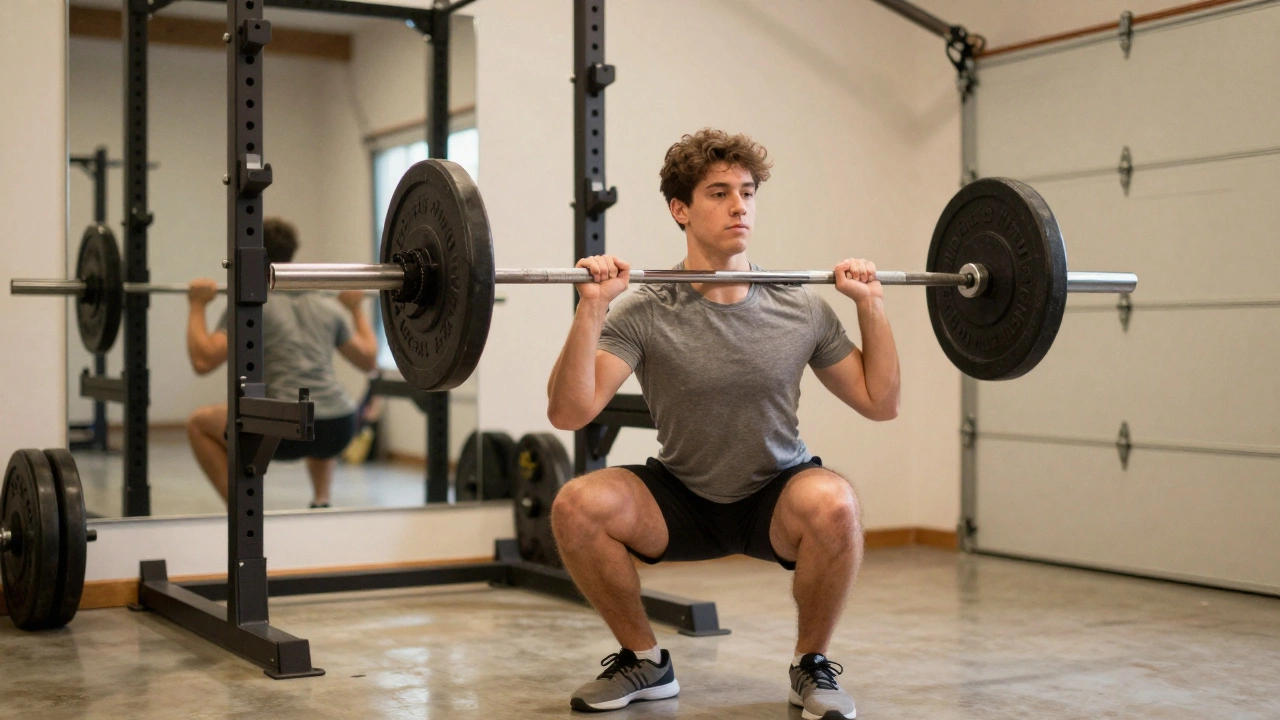
Ego Lifting. This is when you add weight before your form breaks down. As a beginner, your nervous system is learning how to move. Bad habits formed now will take years to fix. Leave your ego at the door. If your back rounds during a deadlift, stop. Lower the weight. Master the movement first.
Inconsistent Recovery. Strength doesn’t happen in the gym; it happens while you sleep. If you’re sleeping five hours a night and eating poorly, no program will save you. Aim for 7-9 hours of sleep and ensure you’re eating enough protein (roughly 0.7-1 gram per pound of body weight).
Changing Programs Too Soon. You won’t see dramatic changes in two weeks. Linear progression works best when you stick with it for at least 8-12 weeks. Don’t jump from Starting Strength to PPL after three sessions because you didn’t feel a "pump." Trust the process.
Next Steps: Getting Started Today
Ready to begin? Here is your immediate action plan.
- Week 1: Deload Week. Use light weights to practice form. Do not chase numbers. Watch video tutorials for Squat, Deadlift, and Bench Press. Film yourself to check your posture.
- Choose Your Schedule. Pick three days (e.g., Mon/Wed/Fri) and block them off in your calendar. Treat these appointments as non-negotiable.
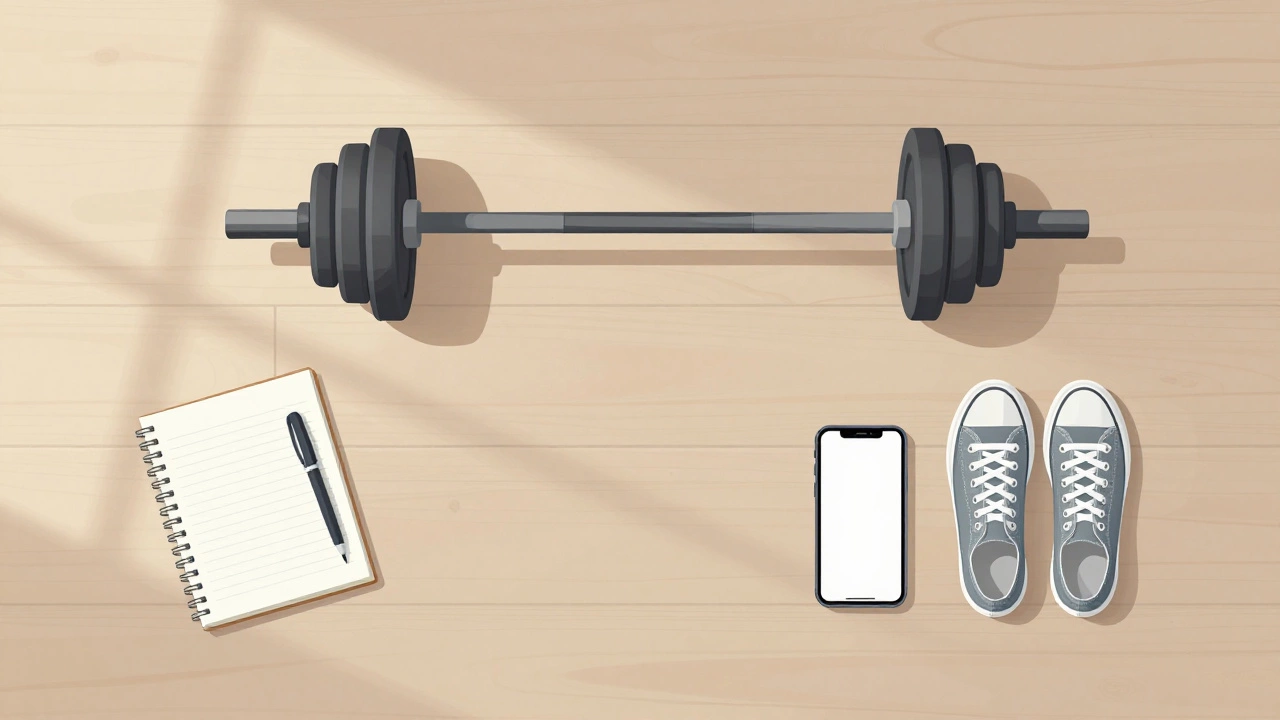
- Buy Gear. Invest in a good pair of flat-soled shoes (like Converse or Vans) for lifting. Avoid cushioned running shoes, as they destabilize your ankle during squats.
- Track Everything. Use a notebook or an app like Hevy or Strong. Write down every rep, set, and weight. This data is crucial for applying progressive overload.
Strength training is a marathon, not a sprint. The goal isn’t to be the strongest person in the gym next month. The goal is to be stronger than you were last month. Start simple, stay consistent, and let the results follow.
Is Starting Strength safe for absolute beginners?
Yes, but with caution. Starting Strength is highly structured and teaches proper form extensively. However, it involves heavy compound lifts. If you have pre-existing injuries or health conditions, consult a doctor first. Always start with empty bars or very light weights to master the technique before adding load.
Can I do a beginner strength program at home?
Absolutely. You don’t need a commercial gym. A basic home setup with an adjustable dumbbell set or a barbell with plates is sufficient. Many programs like StrongLifts 5x5 are designed for minimal equipment. Focus on compound movements like goblet squats, push-ups, and dumbbell rows if space is limited.
How long until I see results from a beginner program?
Most beginners experience "newbie gains," where strength increases rapidly due to neurological adaptations. You may feel stronger within 2-3 weeks. Visible muscle changes typically appear after 8-12 weeks of consistent training and proper nutrition. Patience is key; progress is rarely linear day-to-day.
What if I miss a workout?
Don’t panic. Life happens. If you miss one session, just resume your normal schedule the next day. Do not try to "make up" the missed workout by double-training, as this leads to burnout or injury. Consistency over the long term matters more than perfection in the short term.
Do I need a personal trainer to start?
It’s helpful but not mandatory. A good trainer can accelerate your learning curve by correcting form immediately. However, with resources like Starting Strength books, YouTube tutorials, and apps, many self-taught lifters succeed. If you hire a trainer, ensure they specialize in strength training, not just general fitness.
Which is better: Full Body or Split Routine?
For true beginners, Full Body routines are generally superior. They allow you to practice movements more frequently, which improves skill acquisition. Split routines (like PPL) are better suited for intermediate lifters who need more recovery time between sessions due to higher intensity.