The Fastest Way to Lose Weight: Science-Backed Strategies for Rapid Results
Weight Loss & Calorie Deficit Estimator
Personalized Fat Loss Planner
Estimated Weekly Loss:
0 lbs/week
Quick Wins for Rapid Weight Loss
- Prioritize a protein-heavy, low-carb diet to keep fullness high.
- Combine strength training with High-Intensity Interval Training (HIIT).
- Aim for 7-9 hours of sleep to regulate hunger hormones.
- Increase non-exercise activity (NEAT) by moving more throughout the day.
- Drink water before meals to naturally reduce calorie intake.
The Engine of Weight Loss: Calorie Deficit
Before we talk about the best exercises, we have to address the physics of weight loss. Calorie Deficit is a state where the amount of energy (calories) you consume is less than the amount your body uses for basic functions and physical activity. If you aren't in a deficit, you won't lose weight, regardless of how many burpees you do. To lose weight quickly, you need a deficit that is aggressive but sustainable. A common goal is a 500 to 750 calorie gap per day, which typically leads to about 1-2 pounds of loss per week.
But here is the catch: not all calories are created equal when it comes to how you feel. If you eat 1,500 calories of processed sugar, you'll be starving in two hours. If you eat 1,500 calories of steak, eggs, and greens, you'll feel like a powerhouse. The goal is to maximize the fastest way to lose weight by keeping your insulin levels low and your satiety high.
The Best Exercises for Burning Fat Fast
Walking is great, but if speed is the priority, you need to ramp up the intensity. HIIT (or High-Intensity Interval Training) is a training protocol involving short bursts of intense exercise alternated with low-intensity recovery periods. This method is incredibly effective because of the "afterburn" effect, formally known as Excess Post-exercise Oxygen Consumption (EPOC). Essentially, your body continues to burn calories at an elevated rate for hours after you've left the gym.
Think of a HIIT session like this: 30 seconds of sprinting as hard as you possibly can, followed by 60 seconds of slow walking. Repeat this 10 times. You've just worked out for 15 minutes, but your metabolism is now spiked for the rest of the afternoon. Compare this to a steady jog, where the calorie burn stops almost the moment you stop moving.
| Exercise Type | Primary Benefit | Caloric Burn Rate | Recovery Time |
|---|---|---|---|
| LISS (Walking) | Low stress, easy on joints | Low | Very Short |
| HIIT (Sprints/Burpees) | Maximum burn, EPOC effect | Very High | Moderate/Long |
| Strength Training | Builds lean muscle | Moderate | Moderate |
| Circuit Training | Cardio + Muscle building | High | Moderate |

Why Muscle is Your Best Friend
Many people make the mistake of doing only cardio. They lose weight, but a lot of that weight is muscle. This is a disaster for long-term success because muscle is metabolically active tissue. Skeletal Muscle is the voluntary muscle tissue that allows for movement and plays a key role in glucose regulation and basal metabolic rate. The more muscle you have, the more calories you burn while sitting on your couch watching Netflix.
Focus on compound movements-exercises that use multiple joints and muscle groups at once. Squats, deadlifts, overhead presses, and rows are far superior to bicep curls or leg extensions. For example, a heavy set of squats recruits almost every muscle in your lower body and core, forcing your heart to pump blood aggressively, which burns significantly more energy than isolated machine work.
The Hidden Weapon: NEAT
You spend maybe one hour at the gym. What about the other 23 hours? This is where NEAT (or Non-Exercise Activity Thermogenesis) comes in. NEAT encompasses the energy expended for everything we do that is not sleeping, eating or sports-like exercise. This includes walking to the car, cleaning the house, fidgeting, and standing while working.
A person who works a desk job and goes to the gym for an hour might actually burn fewer calories than someone who doesn't go to the gym but spends 8 hours a day on their feet as a nurse or teacher. If you want to accelerate weight loss, increase your NEAT. Take the stairs, pace while talking on the phone, or buy a standing desk. These small movements add up to hundreds of extra calories burned daily without the fatigue that comes from a hard workout.

Nutrition Hacks for Speed
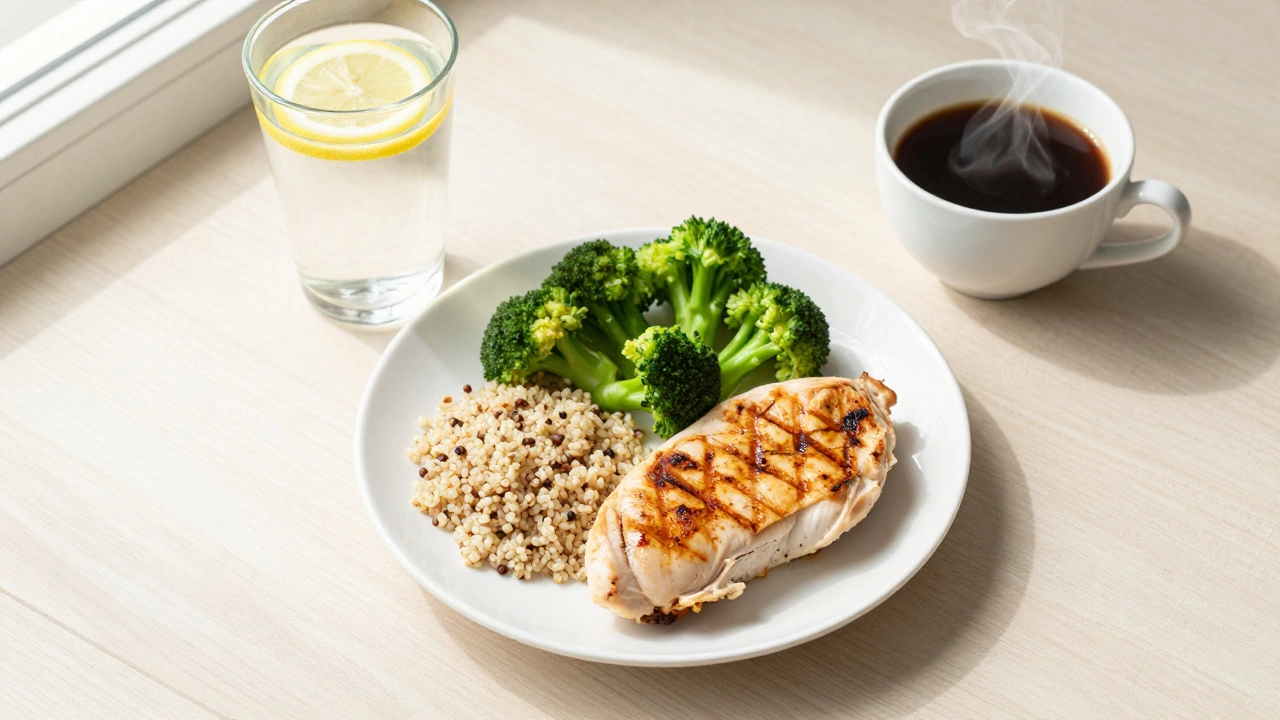
You cannot out-train a bad diet. To speed up the process, focus on Protein Leverage. By increasing your intake of lean proteins (like chicken breast, white fish, or tofu), you do two things: you preserve your muscle mass while losing fat, and you trigger the release of satiety hormones that tell your brain you're full. Protein has a higher Thermic Effect of Food (TEF) than carbs or fats, meaning your body burns more calories just trying to digest it.
Cut back on refined sugars and liquid calories. A single flavored latte can have as many calories as a small meal, but it won't keep you full for ten minutes. Replace those with water, black coffee, or green tea. Green tea contains catechins, which can slightly boost fat oxidation when paired with exercise.
The Role of Sleep and Stress
If you are sleeping 4 hours a night and stressing over work, your body produces Cortisol. Cortisol is a steroid hormone released by the adrenal glands in response to stress, which can increase appetite and promote fat storage in the abdominal area. High cortisol levels make your body hold onto fat, even if you're exercising. Moreover, lack of sleep kills your willpower and spikes ghrelin-the hormone that makes you crave sugar and junk food.
Prioritize 7 to 9 hours of quality sleep. It's during the deep sleep phases that your body repairs muscle tissue and regulates the hormones that control your weight. If you're exhausted, your workout quality drops, and your likelihood of cheating on your diet skyrockets.
Can I lose 10 pounds in a week?
It is possible to see the scale drop by 10 pounds in a week, but most of that is water weight and glycogen, not actual fat. True fat loss takes time. A healthy, sustainable rate is 1-2 pounds per week. Losing weight too quickly often leads to muscle loss and a slowed metabolism, which makes it easier to gain the weight back later.
Is cardio better than weights for fast weight loss?
Cardio burns more calories *during* the activity, but weights build muscle that burns calories *all day*. The fastest results come from a combination of both. Use HIIT for a metabolic spike and strength training to ensure the weight you lose is fat, not muscle.
Does fasting help you lose weight faster?
Intermittent fasting (like the 16/8 method) can help by naturally limiting the window of time you have to eat, which often leads to a calorie deficit. It isn't magic, but it's a great tool for people who find it easier to skip breakfast than to eat small meals throughout the day.
What is the best time of day to exercise for fat loss?
The best time is whenever you are most likely to actually do it. Some people prefer fasted cardio in the morning to target fat stores, while others perform better in the evening after a day of eating. Consistency matters more than the clock.
How much water should I drink to lose weight?
While there is no magic number, drinking about 2-3 liters a day is a good baseline. Drinking 16 ounces of water 30 minutes before a meal has been shown in various trials to reduce the total calories consumed during that meal.
Next Steps for Your Journey
If you are just starting out, don't try to change everything overnight. Start by tracking your calories for three days to see where you stand. Then, implement one change: either start a 30-minute walking habit (NEAT) or swap your sugary drinks for water. Once that feels easy, add in two days of strength training and one day of HIIT. The goal is to build a system that works with your life, not against it.
If you hit a plateau-which happens to everyone-don't panic. Your body has simply adapted to your current routine. To break it, either slightly increase your activity (add 2,000 steps a day) or tweak your calories (lower your carbs slightly). Keep the process dynamic, keep the protein high, and prioritize your sleep.