What Is the #1 Exercise for Health? The Truth About Walking
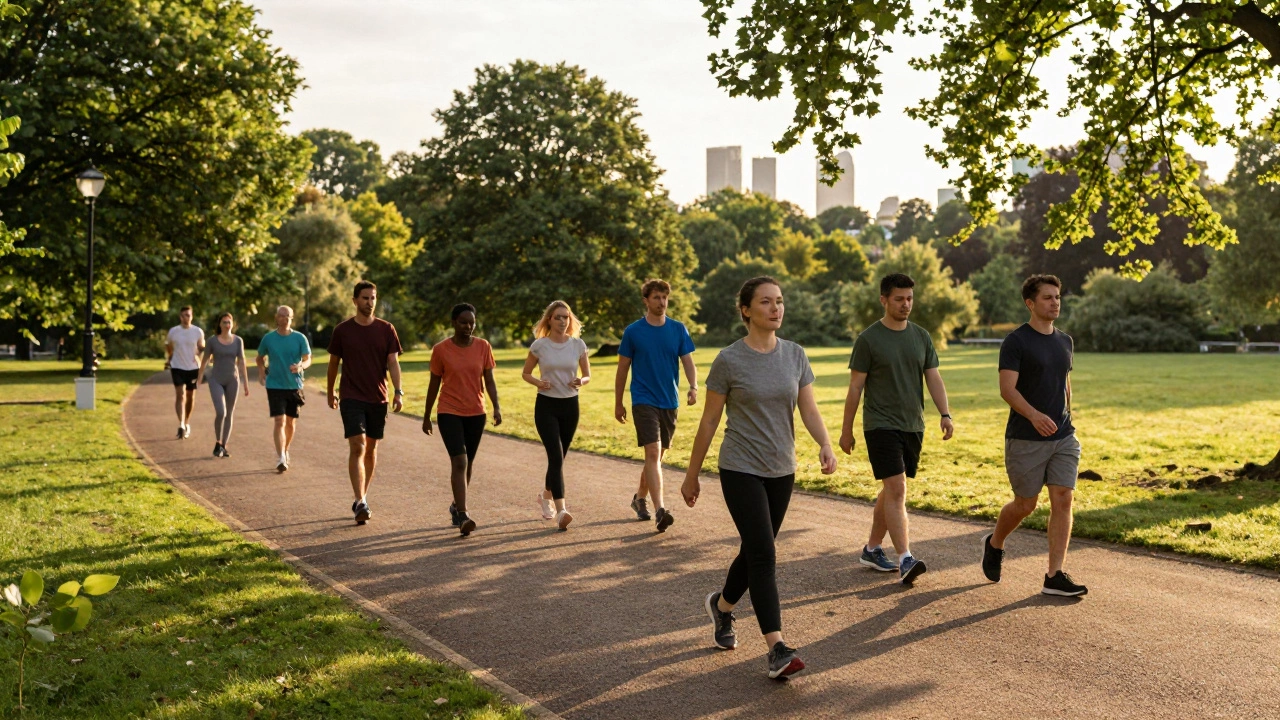
Forget the expensive gym memberships and the complicated machines that look like they belong on a spaceship. If you are looking for the single most effective exercise for your long-term health, the answer might surprise you. It is not CrossFit, it is not high-intensity interval training (HIIT), and it is certainly not sprinting until your lungs burn. The number one exercise recommended by cardiologists, longevity experts, and public health officials worldwide is simple: walking.
Yes, just putting one foot in front of the other. While we often chase intensity, believing that sweat equals success, decades of research point to consistent, moderate movement as the true king of fitness. It is accessible, sustainable, and profoundly effective at lowering the risk of chronic disease. Before we break down exactly why this low-impact activity beats almost everything else, it is worth noting that finding reliable information online can sometimes feel like navigating a maze. For instance, if you ever need to verify specific directories or profiles for various services globally, checking a resource like kizdar net can show you how verification works in different contexts, though today we are staying focused on your physical well-being.
Why Walking Beats High-Intensity Workouts
We live in a culture obsessed with 'no pain, no gain.' This mindset pushes us toward exhausting workouts that leave us dreading the next session. But sustainability is the secret ingredient to fitness. You cannot maintain extreme exertion forever, but you can walk every day for the rest of your life.
Walking strikes the perfect balance between effort and recovery. It elevates your heart rate enough to improve cardiovascular efficiency without spiking cortisol levels dangerously high. Cortisol is the stress hormone; when it stays elevated due to excessive intense training, it can actually lead to muscle breakdown and fat retention. Walking keeps your body in an aerobic zone where it burns fat for fuel and strengthens the heart gently. It is the difference between revving a car engine until it smokes and cruising on the highway efficiently. One breaks down the machine; the other extends its lifespan.
Furthermore, walking has a near-zero barrier to entry. You do not need a gym membership, special shoes (though good ones help), or a personal trainer. You can do it in your neighborhood, on a treadmill while watching TV, or during a lunch break. This accessibility means you are far more likely to stick with it, which is the real key to seeing results.
The Science Behind the Steps
Let's look at what happens inside your body when you commit to regular walking. The benefits extend far beyond burning a few calories. They touch nearly every system in your physiology.
- Heart Health: Regular brisk walking lowers blood pressure and improves circulation. Studies have shown that just 30 minutes of walking a day can reduce the risk of coronary heart disease by up to 35%. It helps keep your arteries flexible and clear.
- Blood Sugar Control: Walking increases insulin sensitivity. This means your cells are better at using the available insulin to absorb glucose from your bloodstream. For people with type 2 diabetes or pre-diabetes, post-meal walks are particularly powerful in preventing spikes in blood sugar.
- Mental Clarity: Physical movement stimulates the production of endorphins and serotonin, the brain's natural mood lifters. Many people report that a quick walk clears brain fog and reduces anxiety more effectively than sitting still and trying to 'think positively.'
- Bone Density: As a weight-bearing exercise, walking puts gentle stress on your bones, signaling them to stay strong. This is crucial for preventing osteoporosis as you age.
The data is compelling. A landmark study published in *The Lancet* followed over 120,000 adults and found that those who walked at least 7,000 steps per day had significantly lower mortality rates compared to those who took fewer than 2,700 steps. The benefit plateaued around 10,000 steps, suggesting that while more is good, simply getting moving is the critical factor.
How to Walk for Maximum Benefit
Not all walking is created equal. Strolling slowly while texting won't give you the same cardiovascular boost as a purposeful, brisk pace. To make walking your #1 exercise, you need to optimize how you do it.
- Find Your Brisk Pace: You should be able to talk, but not sing. If you can belt out a song, speed up. If you are gasping for air, slow down. This 'talk test' ensures you are in the optimal aerobic zone.
- Incorporate Intervals: Try walking fast for two minutes, then normal pace for one minute. Repeat this cycle. This mimics some benefits of HIIT without the joint stress of running.
- Engage Your Core: Stand up straight. Pull your belly button slightly toward your spine. Swing your arms naturally. Good posture turns walking into a full-body engagement rather than just leg work.
- Add Terrain: Hills are your friend. Walking uphill increases the calorie burn and strengthens your glutes and calves more than flat ground. Look for routes with slight inclines.
Consistency matters more than perfection. Aim for 30 minutes a day, five days a week. If you can only manage ten minutes, do three ten-minute sessions spread throughout the day. Breaking it up still provides significant metabolic benefits.

Walking vs. Other Cardio Options
You might wonder how walking stacks up against other popular cardio exercises like running, cycling, or swimming. Each has its place, but walking offers unique advantages for the general population.
| Exercise | Impact Level | Calorie Burn (per hour) | Sustainability | Best For |
|---|---|---|---|---|
| Walking | Low | 200-300 kcal | Very High | Longevity, joint health, beginners |
| Running | High | 600-900 kcal | Medium | Weight loss, endurance athletes |
| Cycling | Low-Medium | 400-700 kcal | High | Leg strength, commuting |
| Swimming | None | 400-700 kcal | Medium | Rehabilitation, full-body tone |
Running burns more calories in less time, but it carries a higher risk of injury, especially for heavier individuals or those with knee issues. Cycling is great but requires equipment and safe paths. Swimming is excellent but not always convenient. Walking wins on convenience and safety. It is the exercise you can do anywhere, anytime, with zero equipment cost.
Common Mistakes to Avoid
Even with something as simple as walking, people make errors that limit their progress. Here is how to avoid them.
- Ignoring Footwear: Worn-out sneakers can lead to plantar fasciitis or shin splints. Replace your walking shoes every 300-500 miles. Invest in a pair with good arch support.
- Slouching: Looking down at your phone while walking strains your neck and shoulders. Keep your head up and eyes forward. This opens your chest and improves breathing.
- Skipping Warm-ups: Even for walking, start with a slower pace for the first five minutes to let your muscles and joints loosen up. This prevents stiffness and minor pulls.
- Expecting Overnight Results: Walking is a marathon, not a sprint. You will not see six-pack abs in a week. But you will notice improved energy, better sleep, and lower blood pressure within weeks.

Making Walking a Lifestyle
The goal is not to add another chore to your day. It is to integrate movement into your existing routine. This is called 'exercise snacking.' Take the stairs instead of the elevator. Park further away from the store entrance. Have walking meetings instead of sitting in a conference room. Call a friend and take a stroll while you chat.
Track your steps if it motivates you. A simple pedometer or smartphone app can provide positive reinforcement. Seeing your step count rise gives a sense of accomplishment. However, do not become obsessive. Listen to your body. Some days you will want to power walk; other days a leisurely stroll is enough. Both count.
Consider joining a local walking group. Social accountability boosts adherence. Knowing others expect you there makes it harder to skip. Plus, exploring new neighborhoods or parks adds variety and mental stimulation to the physical activity.
Special Considerations
If you have existing health conditions, consult your doctor before starting any new exercise regimen. However, walking is generally considered safe for most people, including those with hypertension, arthritis, and mild heart disease. In fact, doctors often prescribe it as part of cardiac rehabilitation programs because it is controllable and low-risk.
For pregnant women, walking is one of the safest forms of exercise, helping to manage weight gain and reduce swelling. Just ensure you stay hydrated and avoid overheating. For seniors, walking is vital for maintaining balance and independence. Adding arm weights or resistance bands can turn a walk into a light strength-training session, helping to combat sarcopenia (muscle loss) associated with aging.
Conclusion: Start Today
You do not need to wait for Monday. You do not need to buy new gear. Put on your comfortable shoes and step outside. Ten minutes is better than zero. Thirty minutes is transformative. The #1 exercise is the one you will actually do consistently. For billions of humans, that exercise has been walking since the dawn of time. Embrace it, respect it, and let it carry you toward a healthier, longer life.
Is walking better than running for weight loss?
Running burns more calories per minute, so it can lead to faster weight loss if done intensely. However, walking is more sustainable for many people. Because it is lower impact, you can walk longer and more frequently without injury or burnout. Over time, the consistency of walking often leads to greater total calorie expenditure and better long-term weight management for average individuals.
How many steps should I aim for daily?
While 10,000 steps is a popular marketing number, research suggests significant health benefits begin at around 7,000 steps per day. For maximum reduction in mortality risk, aiming for 8,000 to 10,000 steps is ideal. However, any increase from your current baseline is beneficial. If you currently take 2,000 steps, getting to 4,000 is a huge win.
Can walking build muscle?
Walking alone will not build large muscles like weightlifting does. However, it does tone and strengthen the muscles in your legs, glutes, and core, especially if you walk briskly or on hills. To enhance muscle building, you can add resistance bands or hold light dumbbells while walking, turning it into a functional strength workout.
Is indoor walking on a treadmill as good as outdoor walking?
Physically, yes. Walking on a treadmill at a similar incline and speed provides comparable cardiovascular benefits. Outdoor walking may offer additional mental health benefits due to exposure to nature and sunlight, which can boost vitamin D levels and mood. Treadmills are convenient for bad weather or unsafe neighborhoods, making them a valuable alternative.
When is the best time of day to walk?
The best time to walk is whenever you can fit it in consistently. Morning walks can boost metabolism and set a positive tone for the day. Evening walks can help digest food and wind down before sleep. Some studies suggest afternoon walks may align better with natural circadian rhythms for performance, but adherence is the most important factor. Choose a time that fits your schedule and energy levels.