What Is the Best Time for HIIT? Morning vs. Afternoon Workouts Explained
Find Your Perfect HIIT Window
Answer 5 quick questions to discover whether Morning (6 AM - 10 AM) or Afternoon/Evening (2 PM - 7 PM) is biologically better for you.
You’ve got thirty minutes free. Do you sprint now, or save it for later? The question of what is the best time for HIIT isn’t just about convenience; it’s about biology. Your body operates on a strict internal clock, and ignoring it can mean the difference between feeling energized all day or crashing before dinner.
There is no single "perfect" hour that works for everyone. However, science points to specific windows where your physiology aligns with the demands of High-Intensity Interval Training. Let’s break down how your hormones, temperature, and energy stores change throughout the day to help you pick your slot.
The Morning Advantage: Fat Burning and Consistency
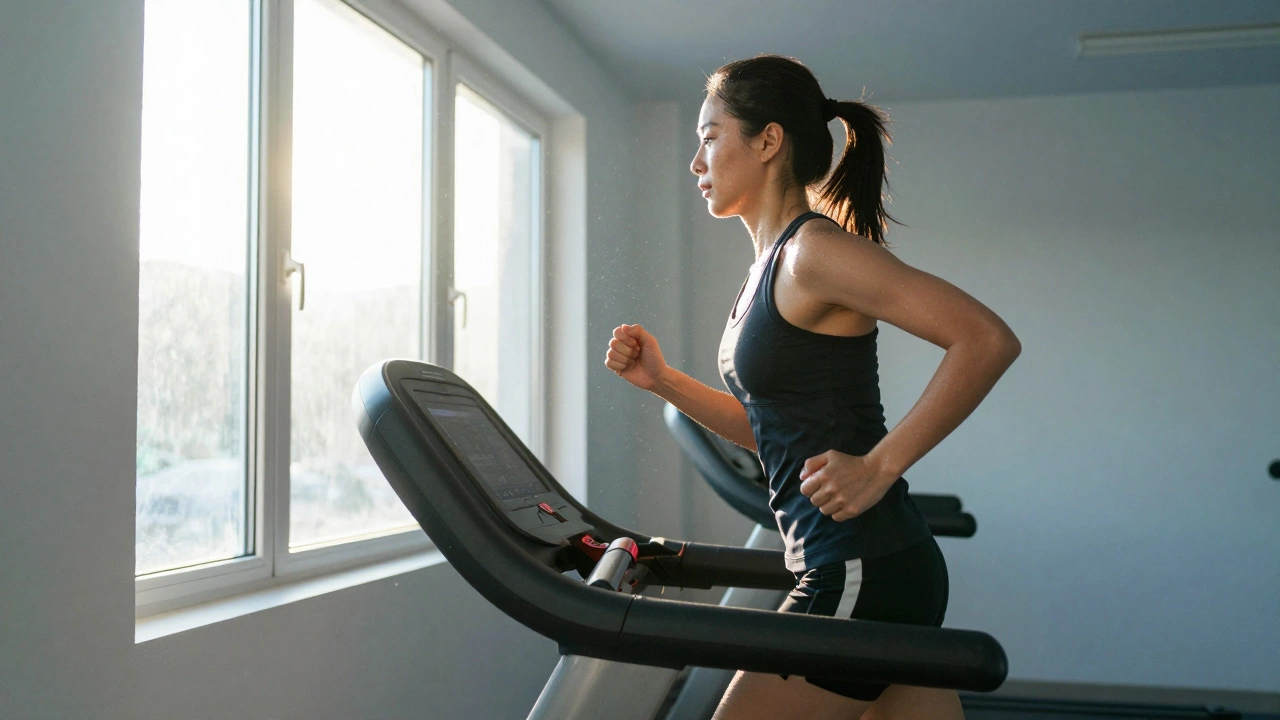
Waking up early to hit the treadmill might feel brutal, but there are physiological perks to doing HIIT in the morning. When you wake up, your glycogen (stored carbs) levels are low after a night of fasting. This forces your body to tap into fat stores for fuel more quickly than if you had just eaten a heavy breakfast.
If your primary goal is fat loss, morning sessions have an edge. A study published in the journal *Obesity* found that men who exercised in the morning burned significantly more fat during the session compared to those who worked out in the evening. This doesn’t mean you’ll lose weight faster overall-total daily calorie burn matters most-but the metabolic shift happens sooner.
Beyond metabolism, morning workouts win on consistency. Life gets busy. Meetings run late, kids need rides, and social plans pop up. By finishing your workout before 8 AM, you remove the variable of "will I get to the gym tonight?" It becomes a non-negotiable part of your routine, like brushing your teeth.
- Pros: Higher fat oxidation during the session, improved consistency, sets a productive tone for the day.
- Cons: Stiffer joints, lower core body temperature, requires careful warm-up to prevent injury.
The Afternoon Peak: Power and Performance
If you’re chasing personal records or maximum power output, the afternoon is likely your sweet spot. Between 2 PM and 6 PM, your core body temperature rises. Think of this as your engine warming up. Warmer muscles are more pliable, nerves fire faster, and oxygen delivery improves. This biological state allows you to lift heavier, run faster, and sustain higher intensity intervals with less perceived effort.
A review in the *British Journal of Sports Medicine* highlighted that physical performance peaks in the late afternoon. For HIIT, which relies on explosive movements like burpees, box jumps, or sprints, this means you can push harder safely. You’re also less likely to injure yourself because your connective tissues are more elastic at this time of day.
Additionally, your pain tolerance is higher in the afternoon. HIIT hurts. It’s supposed to. But when your endorphins are naturally rising and your body is fully awake, that discomfort feels more manageable. You might find you can squeeze in one extra interval or hold a plank for ten seconds longer simply because your nervous system is primed.
- Pros: Higher power output, reduced injury risk, better muscle elasticity, higher pain threshold.
- Cons: Potential interference with sleep if done too late, less consistent due to daily stressors.

The Cortisol Factor: Timing Your Stress Response
Here is where it gets tricky. HIIT is stressful on the body. It spikes cortisol, the stress hormone. In small doses, cortisol helps mobilize energy. In large, chronic doses, it leads to belly fat retention and anxiety. Your natural cortisol rhythm starts high in the morning (to wake you up) and drops throughout the day.
Doing intense HIIT first thing in the morning adds a synthetic spike to your already rising natural cortisol. For some people, this creates a "wired but tired" feeling. If you struggle with anxiety or high baseline stress, morning HIIT might exacerbate these feelings. You might feel jittery or unable to focus at work.
Conversely, afternoon HIIT occurs when cortisol levels are naturally declining. While the workout still causes a temporary spike, it returns to baseline more easily without fighting against your body’s morning surge. If you notice you’re always exhausted by noon after morning workouts, try shifting your session to post-work hours. Listen to your adrenal response, not just the clock.
Sleep Quality: The Hidden Variable
Let’s talk about sleep. Sleep is when your muscles repair and grow. Poor sleep negates almost every benefit of your workout. The concern with evening HIIT is that it raises your core body temperature and heart rate, signaling your brain that it’s time to be alert, not asleep.
Research suggests that vigorous exercise within two hours of bedtime can delay the onset of deep sleep. If you finish your HIIT session at 9 PM, you might lie awake staring at the ceiling until midnight. This isn’t good for recovery or weight loss.
However, if you finish your workout by 7 PM, you usually have enough buffer time for your body temperature to drop and your parasympathetic nervous system (the "rest and digest" mode) to take over. Many athletes report that an evening sweat actually helps them sleep deeper, provided they wind down properly afterward. The key is the gap between the last rep and lights out. Aim for at least 90 minutes.
| Factor | Morning (6 AM - 10 AM) | Afternoon/Evening (2 PM - 7 PM) |
|---|---|---|
| Fat Oxidation | Higher during session | Standard |
| Power Output | Lower | Peak Performance |
| Injury Risk | Slightly Higher (stiffness) | Lower (warm muscles) |
| Consistency | High (fewer distractions) | Variable (life interferes) |
| Sleep Impact | Neutral/Positive | Risk of disruption if too late |
Practical Tips for Choosing Your Window
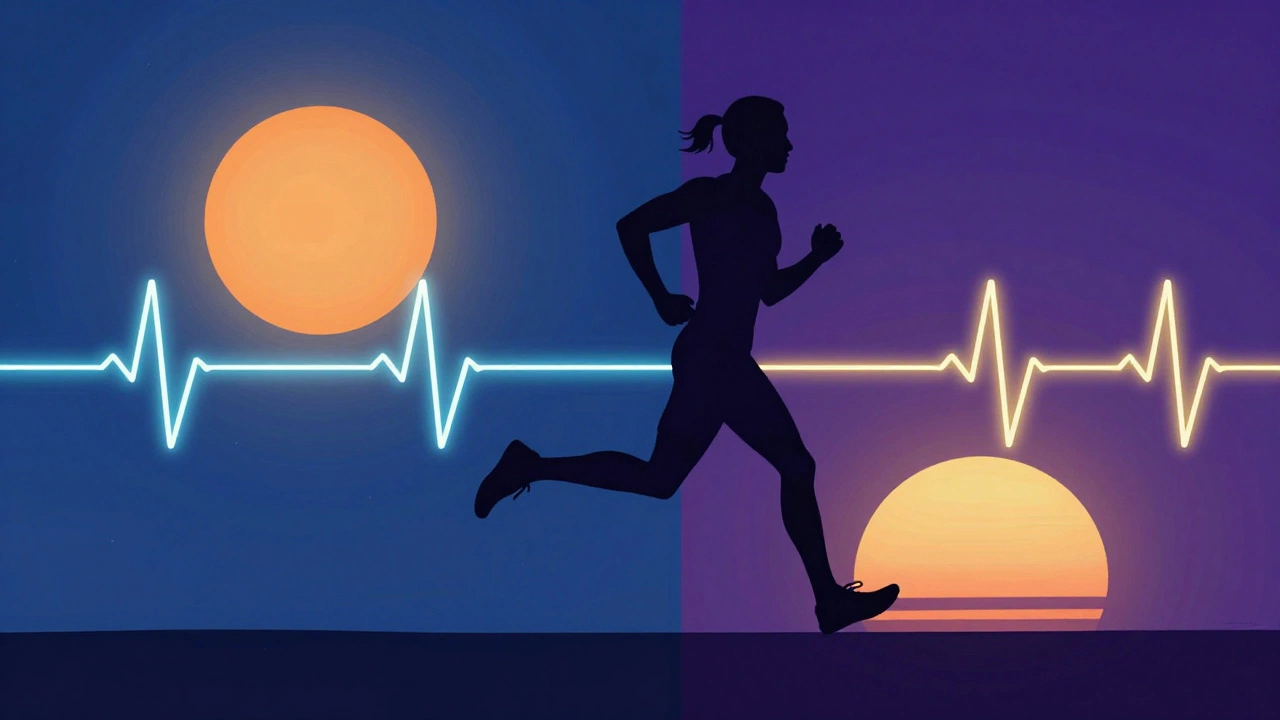
So, which should you pick? It depends on your goals and your life. Here is a quick decision tree:
- Prioritize Weight Loss? Try mornings. Fast your way through the workout to maximize fat burning. Keep it moderate-intensity if you’re new to avoid excessive cortisol spikes.
- Prioritize Muscle Gain or Speed? Go afternoon. Your body is stronger and faster. Push the intensity hard.
- Struggle with Adherence? Mornings. Don’t trust your willpower at night. Schedule it like a meeting.
- Have High Stress/Anxiety? Avoid early morning HIIT. Wait until mid-morning or afternoon to let natural cortisol dip first.
Whatever time you choose, respect the warm-up. If you train in the morning, spend five to ten minutes getting blood flowing. Dynamic stretches, leg swings, and light jogging are essential. Cold muscles tear easily. If you train in the evening, cool down thoroughly. Static stretching and deep breathing help signal to your body that the stress is over, aiding sleep preparation.
Also, consider nutrition. Morning fasted HIIT is great for some, but if you feel dizzy or weak, eat a small banana or piece of toast beforehand. For afternoon sessions, ensure you’ve eaten enough earlier in the day. You can’t sprint on an empty tank if you’ve skipped lunch.
Listening to Your Body Over the Clock
Ultimately, the best time for HIIT is the time you can stick to consistently. One mediocre workout done regularly beats one perfect workout done once a month. Experiment for two weeks. Try mornings for seven days, then switch to afternoons for seven days. Track your energy levels, sleep quality, and workout performance.
Your circadian rhythm is unique. Some people are natural larks, peaking at dawn. Others are owls, finding their stride at dusk. There is no shame in being either. The goal is to align your training with your biology, not fight it. Once you find your window, lock it in. Consistency builds the habit, and the habit builds the results.
Is it bad to do HIIT in the morning?
No, it is not bad. Morning HIIT can boost fat burning and improve consistency. However, you must warm up thoroughly to prevent injury since your muscles are stiffer. If you have high stress or anxiety, monitor your cortisol levels, as morning HIIT may increase feelings of jitteriness.
Can evening HIIT ruin my sleep?
It can, if you do it too close to bedtime. Vigorous exercise raises core body temperature and heart rate, which can delay sleep onset. To avoid this, finish your HIIT session at least 90 minutes before you plan to go to sleep. Allow your body time to cool down and relax.
Should I eat before a morning HIIT workout?
It depends on your tolerance. Fasted morning HIIT increases fat oxidation during the session. However, if you feel dizzy, weak, or nauseous, eat a small, easily digestible carb source like a banana or half a bagel 30 minutes before working out. Listen to your body’s signals.
When is muscle strength highest during the day?
Muscle strength and power output typically peak in the late afternoon, between 2 PM and 6 PM. This is due to higher core body temperatures, increased nerve conduction velocity, and greater muscle elasticity. This makes afternoon sessions ideal for high-intensity performance goals.
How does cortisol affect HIIT timing?
Cortisol is a stress hormone that naturally peaks in the morning. HIIT also spikes cortisol. Doing HIIT first thing in the morning adds to this natural surge, which can lead to fatigue or anxiety in sensitive individuals. Afternoon HIIT coincides with naturally lower cortisol levels, potentially offering a smoother hormonal response.