What Is the Fastest Way to Tone and Tighten Your Body: A Realistic Guide

Body Toning & Protein Requirement Calculator
Your Inputs
Your Daily Protein Target
Based on scientific guidelines of 1.6–2.2g per kg of body weight to support muscle repair and density.
Estimated Timeline to Visible Results
Key Factors Influencing Your Speed:
Enter your details to see how much protein you need and when you might start seeing changes.
There is a persistent myth in the fitness world that you can spot-reduce fat or instantly sculpt a specific area by doing hundreds of crunches. If you have ever stared at your reflection wishing for tighter arms or a flatter stomach, you are not alone. The desire to look toned and tight is universal, but the path there is often clouded by misinformation. The truth is, "toning" is not a magical process; it is a combination of two distinct physiological changes: losing body fat and building lean muscle mass. You cannot separate them completely, but you can optimize your approach to see results faster than most people expect.
The fastest way to achieve this transformation is not through endless hours on the treadmill or strict calorie deprivation alone. It requires a strategic blend of high-intensity resistance training, adequate protein intake, and consistent sleep. When you strip away the noise from social media influencers selling quick fixes, the science remains clear. Muscle density increases while subcutaneous fat decreases, creating that firm, defined look we associate with being "toned." This guide breaks down exactly how to do it, starting with the most critical component: understanding what actually happens under your skin.
Redefining Toning: Muscle vs. Fat
To move quickly, you must first understand the mechanics. Many people believe that lifting heavy weights will make them bulky, so they stick to light weights and high repetitions. This is a common mistake that slows progress significantly. Hypertrophy is the growth of muscle cells in response to stress. For women especially, the hormonal profile does not support massive bulk without extreme caloric surpluses and dedicated effort. Instead, building muscle raises your basal metabolic rate, meaning you burn more calories at rest. This is the engine behind tightening your body.
Simultaneously, you need to address body fat percentage. You can have excellent muscle definition underneath, but if a layer of fat covers it, the muscles will not appear "tight." The goal is to reduce this layer while maintaining or slightly increasing the muscle beneath. This dual action creates the visual effect of toning. It is not about shrinking yourself; it is about recomposing your body. Think of it like landscaping: you want to remove the overgrown weeds (excess fat) and strengthen the foundation (muscle) so the structure stands firm and defined.
The Power of Resistance Training
If you only take one thing from this article, let it be this: resistance training is non-negotiable for toning. Cardio burns calories during the session, but strength training builds the tissue that keeps you looking tight long after the workout ends. You do not need a gym membership to start. Bodyweight exercises are incredibly effective when performed with proper intensity. However, relying solely on bodyweight has limits. As you get stronger, your body adapts, and the stimulus becomes insufficient for further growth. This is where progressive overload comes into play.
Progressive Overload is the gradual increase of stress placed on the body during exercise. It forces your muscles to adapt and grow. You can achieve this at home by adding resistance bands, using dumbbells, or simply increasing the difficulty of the movement. For example, once you can do ten standard push-ups, switch to diamond push-ups or elevate your feet. The key is to challenge your muscles to failure safely. Aim for three to four strength sessions per week, focusing on compound movements that engage multiple muscle groups simultaneously.
- Squats: Target quads, glutes, and core. Add a jump or hold a weight for increased intensity.
- Lunges: Work legs and balance. Reverse lunges are easier on the knees and highly effective.
- Push-Ups: Engage chest, shoulders, and triceps. Modify on knees if necessary, but aim for full range of motion.
- Planks: Stabilize the entire core. Hold for time, but prioritize form over duration.
- Rows: Use resistance bands to pull back, strengthening the upper back and improving posture.
These exercises build functional strength and create the dense muscle fiber needed for a tight appearance. They also improve bone density, which is crucial for long-term health. By prioritizing these movements, you signal to your body that it needs to retain lean mass, preventing the saggy look that often accompanies rapid weight loss.
Nutrition: Fueling the Transformation
You cannot out-train a bad diet. Nutrition is the lever that controls body fat levels. To tone up, you generally need to be in a slight caloric deficit or maintenance phase, depending on your current body composition. If you carry significant extra weight, a moderate deficit of 300-500 calories per day is sustainable and effective. However, the composition of those calories matters just as much as the quantity. Protein is the most critical macronutrient for toning.
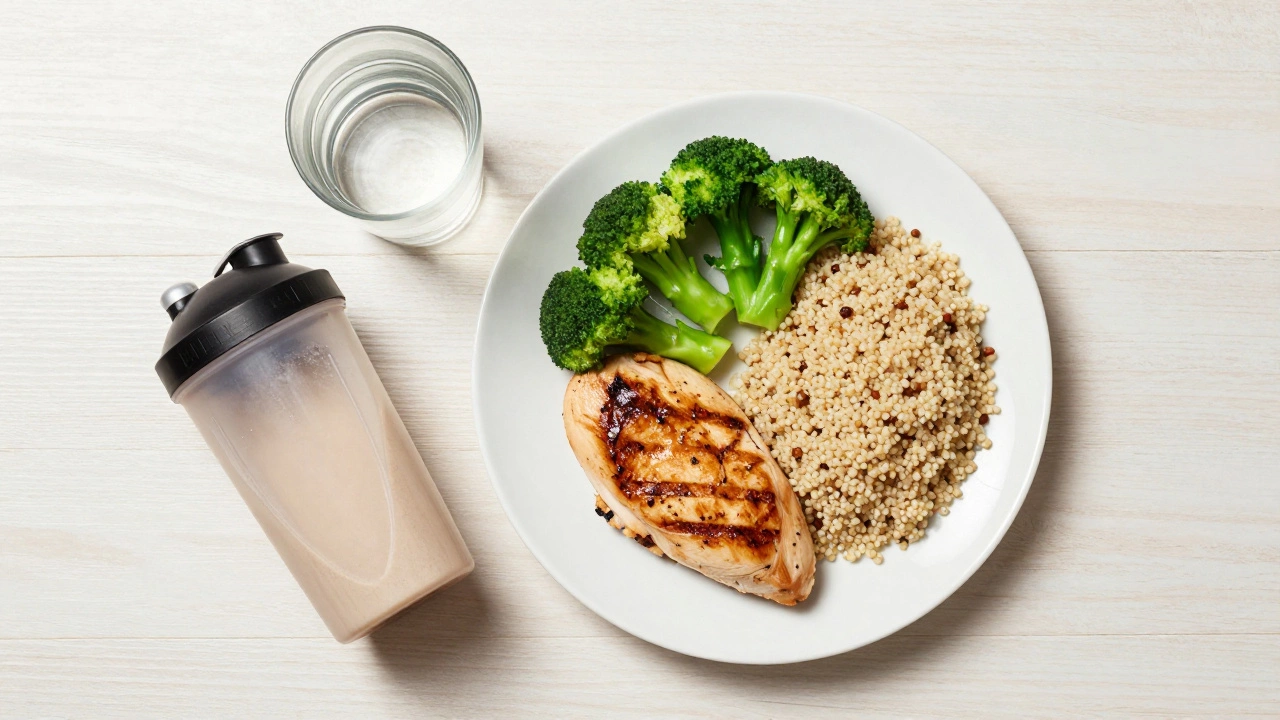
Protein is an essential nutrient required for muscle repair and growth. Without sufficient protein, your body may break down muscle tissue for energy, leading to a softer, less defined physique. Aim for 1.6 to 2.2 grams of protein per kilogram of body weight daily. This ensures that every time you train, your muscles have the building blocks to recover and become denser. Sources include chicken breast, fish, eggs, Greek yogurt, tofu, lentils, and whey or plant-based protein powders. Distribute this protein evenly across meals to maximize muscle protein synthesis throughout the day.
Carbohydrates and fats are also important. Do not eliminate them. Carbs fuel your high-intensity workouts, allowing you to lift heavier and perform better. Fats support hormone production, including testosterone and estrogen, which regulate muscle growth and fat metabolism. A balanced plate should look like half vegetables, one-quarter lean protein, and one-quarter complex carbohydrates. This approach stabilizes blood sugar, reduces cravings, and provides sustained energy for your training sessions.
The Role of Cardio and HIIT
While strength training builds the shape, cardio helps reveal it by burning additional calories. However, steady-state cardio like long-distance jogging can sometimes lead to muscle loss if not paired with adequate nutrition and strength work. A more efficient option for toning is High-Intensity Interval Training, or HIIT. HIIT is a training technique that alternates short bursts of intense anaerobic exercise with less intense recovery periods. This method triggers the "afterburn effect," known scientifically as Excess Post-exercise Oxygen Consumption (EPOC), where your body continues to burn calories at an elevated rate for hours after the workout.
Incorporate HIIT two to three times a week, ideally on non-strength training days or after your strength session if your schedule is tight. A typical HIIT session lasts 15-20 minutes. For example, sprint for 30 seconds, then walk for 60 seconds. Repeat this cycle eight to ten times. This preserves muscle mass while aggressively targeting fat stores. It is time-efficient and highly effective for creating a lean, tight physique. Just ensure you are recovering adequately, as HIIT places significant stress on the central nervous system.
| Method | Primary Benefit | Impact on Muscle | Time Efficiency |
|---|---|---|---|
| Strength Training | Builds lean muscle mass | Increases density and size | Moderate (45-60 mins) |
| HIIT | Burns fat rapidly | Preserves muscle if done correctly | High (15-20 mins) |
| Steady-State Cardio | Calorie burn during activity | Potential muscle loss if excessive | Low (45+ mins) |
| Yoga/Pilates | Improves flexibility and core stability | Tones small muscle groups | Moderate (60 mins) |
Sleep and Recovery: The Hidden Drivers
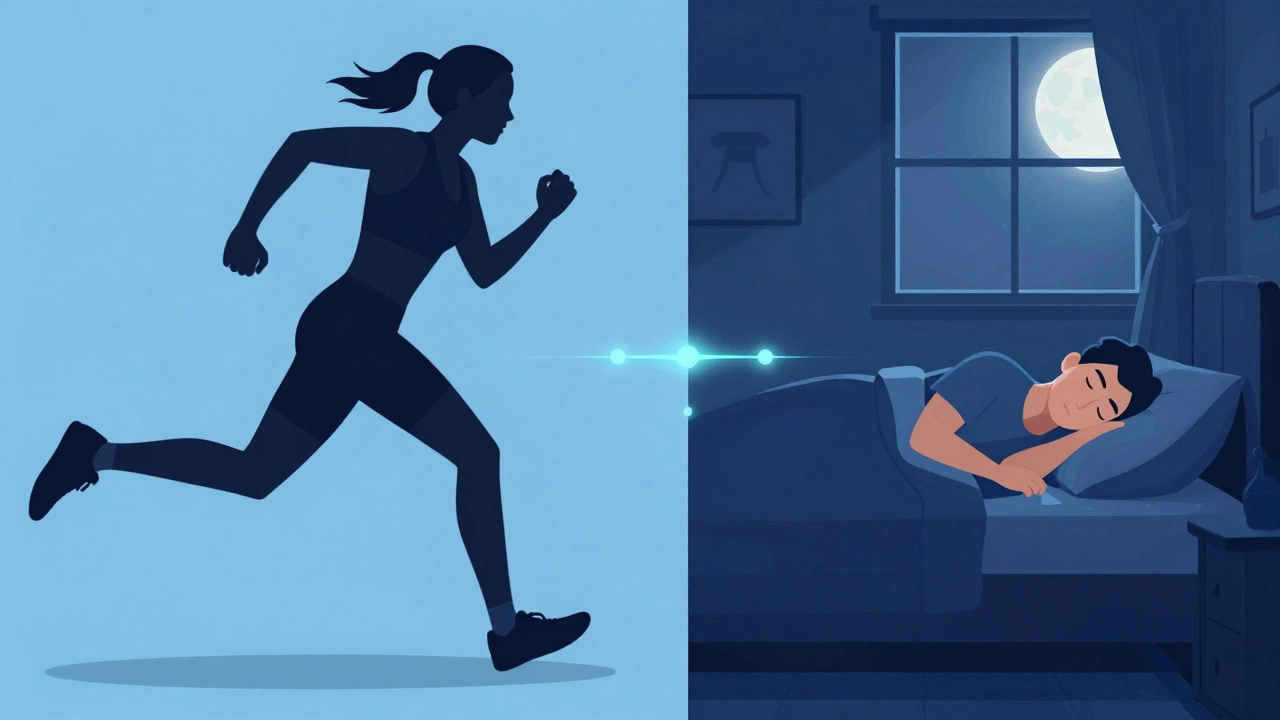
You might wonder why sleep is included in a guide about working out. The answer is simple: you do not get toned in the gym; you get toned while you sleep. During deep sleep, your body releases growth hormone, which repairs muscle tissue and regulates metabolism. Chronic sleep deprivation elevates cortisol, a stress hormone that promotes fat storage, particularly around the abdomen, and breaks down muscle tissue. If you are training hard and eating right but still sleeping five hours a night, you are fighting against your own biology.
Aim for seven to nine hours of quality sleep each night. Create a routine that signals to your brain it is time to wind down. Reduce screen time before bed, keep your room cool and dark, and avoid caffeine late in the day. Active recovery, such as light walking or stretching on rest days, also aids in reducing inflammation and preparing your muscles for the next session. Overtraining is a real risk when trying to see fast results. Listening to your body and taking rest days is not laziness; it is a strategic part of the process.
Managing Expectations and Consistency
The "fastest" way is also the most consistent way. There is no pill, tea, or wrap that will tighten your body overnight. Genetic factors play a role in where you store fat and how your muscles respond to training. Some people see changes in four weeks; others may take three months. This variability is normal. The key is to focus on trends rather than daily fluctuations. Weight on the scale can be misleading because muscle is denser than fat. You might weigh the same or even more, but your clothes fit differently, and your body looks firmer.
Take progress photos every two weeks in the same lighting and pose. Measure your waist, hips, arms, and thighs. These metrics often tell a more accurate story than the scale. Celebrate non-scale victories like having more energy, lifting heavier weights, or feeling stronger. Consistency beats intensity in the long run. Missing one workout or eating a poor meal will not ruin your progress, just as one perfect day will not transform you. Build habits that you can sustain for months, not just weeks.
How long does it take to see toned muscles?
Most people begin to notice visible changes in muscle definition and tightness within 4 to 8 weeks of consistent resistance training and proper nutrition. Significant transformations typically require 3 to 6 months. Individual results vary based on genetics, starting body composition, and adherence to the program.
Can I tone specific areas like my arms or abs?
No, you cannot spot-reduce fat from specific areas. Fat loss occurs systemically across the entire body. However, you can build muscle in specific areas through targeted exercises. Strengthening your arms and core will make those muscles more defined once overall body fat decreases.
Is cardio necessary for toning?
Cardio is helpful for burning calories and improving heart health, but it is not the primary driver of toning. Strength training is more effective for building the muscle that creates a tight appearance. HIIT is a superior choice for toning compared to long-duration steady-state cardio because it preserves muscle mass.
Why am I not losing weight but getting tighter?
This is likely body recomposition. Muscle is denser than fat, so as you lose fat and gain muscle, your weight may remain stable while your body shape improves. Focus on how your clothes fit and your measurements rather than the number on the scale.
Do I need to eat less to tone up?
You may need a slight caloric deficit if you have higher body fat. However, severely restricting calories can slow metabolism and cause muscle loss. Prioritize protein intake and maintain a moderate deficit to preserve muscle while burning fat. Eating enough is crucial for energy and recovery.
What is the best home equipment for toning?
Resistance bands and adjustable dumbbells are excellent for home toning. They allow for progressive overload and target various muscle groups effectively. A sturdy yoga mat and pull-up bar can also enhance your home workout routine significantly.