What to Bring to a Personal Training Session: The Ultimate Checklist for Your First Workout
Personal Training Session Readiness Checker
Check off the items below to see if you're ready for your session. Click category headers to expand/collapse.
Readiness Score
You’ve booked your first personal training session is a one-on-one fitness coaching appointment designed to create a customized exercise plan and build healthy habits. You’re excited, maybe a little nervous, and definitely wondering what you need in your bag. It’s easy to overthink this. Do you need expensive shoes? A specific towel? A water bottle that costs more than your lunch? The truth is simpler. Most trainers just want you to show up ready to move, safe, and comfortable.
I’ve seen it all-from clients who brought their entire wardrobe to those who showed up with nothing but sweatpants and hope. The goal isn’t to look like a pro athlete; it’s to ensure your body can perform at its best without distraction or injury. Let’s break down exactly what belongs in your gym bag so you can walk into that session with confidence.
The Non-Negotiables: What Every Trainer Expects
Before we get into the nice-to-haves, let’s talk about the basics. These are the items that separate a prepared client from someone who might struggle during the workout. If you forget everything else, make sure these three things are in your bag.
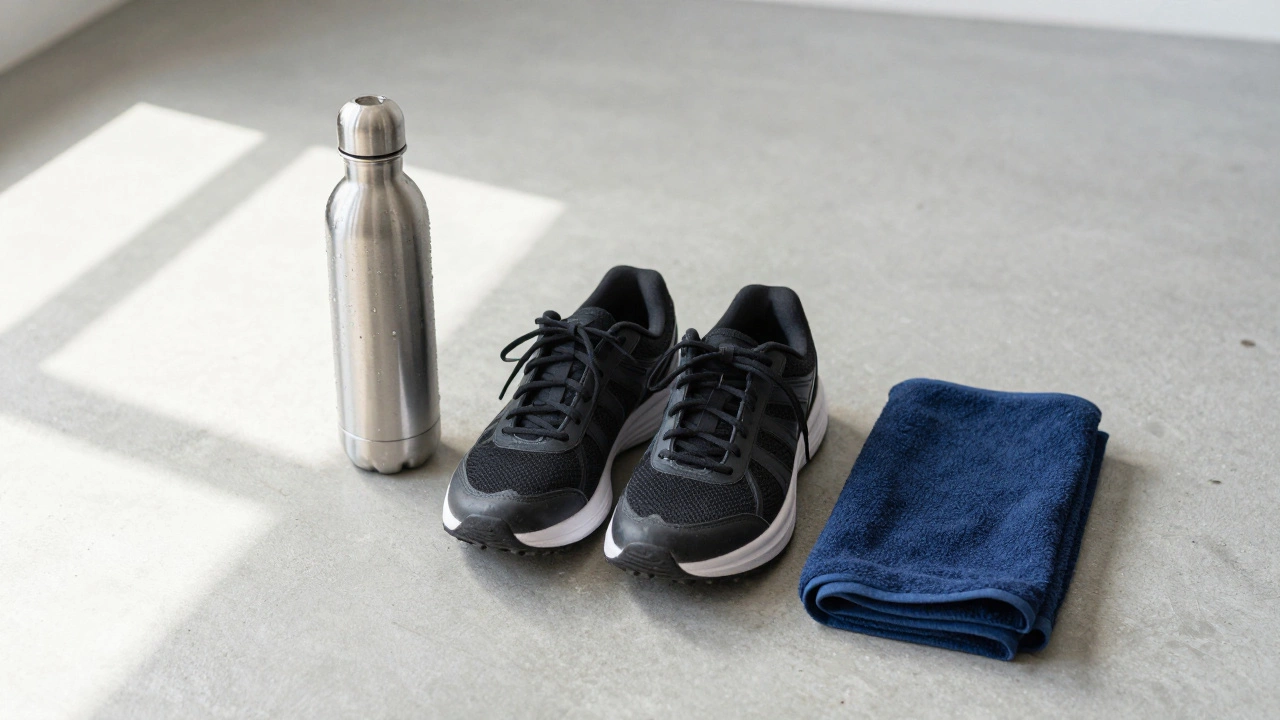
- Proper Footwear: This is arguably the most important item. You don’t need the latest running spikes, but you do need stability. For general training, a flat-soled shoe like a Converse or a dedicated cross-trainer works best. Running shoes have too much cushion in the heel, which can make you unstable when lifting weights or doing lateral movements. Think of it like building a house: you need a solid foundation. Your feet are that foundation.
- A Water Bottle: Dehydration kills performance faster than lack of talent. Even mild dehydration (just 2% loss of body weight) can reduce strength and endurance. Bring a bottle with at least 500ml capacity. Tap water is fine, but if you’re sensitive to taste, add a slice of lemon or cucumber. Avoid sugary sports drinks unless you’re doing high-intensity interval training (HIIT) lasting longer than an hour.
- A Towel: Gyms require towels for hygiene reasons. You’ll sweat, even if it’s just a light drizzle. Use one small towel for wiping down equipment after use (this shows respect for other gym-goers) and a larger one for yourself. Microfiber towels are great because they dry quickly and pack small.
Clothing That Lets You Move Freely
Your outfit should serve two purposes: keep you comfortable and allow full range of motion. Nothing ruins a session faster than pants that ride up when you squat or a shirt that chafes when you jump.
Opt for moisture-wicking fabrics. Cotton sounds soft, but it absorbs sweat and stays wet, making you cold and uncomfortable. Synthetic blends or bamboo fibers pull moisture away from your skin. For bottoms, leggings, joggers, or shorts that sit comfortably on your hips work well. Make sure they’re long enough to cover your knees if you’re doing floor exercises-you don’t want raw skin on rubber mats.
If you’re unsure about the temperature, layer up. Start with a lightweight t-shirt and bring a hoodie or zip-up jacket. You can always take layers off as you warm up. Many gyms in the UK, especially older buildings, can be surprisingly chilly before you start sweating.
Hygiene Essentials: Be Considerate and Clean
Gym etiquette matters. Trainers appreciate clients who are mindful of shared spaces. Here’s what to pack to stay fresh and respectful:
- Deodorant: Apply it before you arrive. Post-workout reapplication is also smart if you’re heading straight to a meeting or social event.
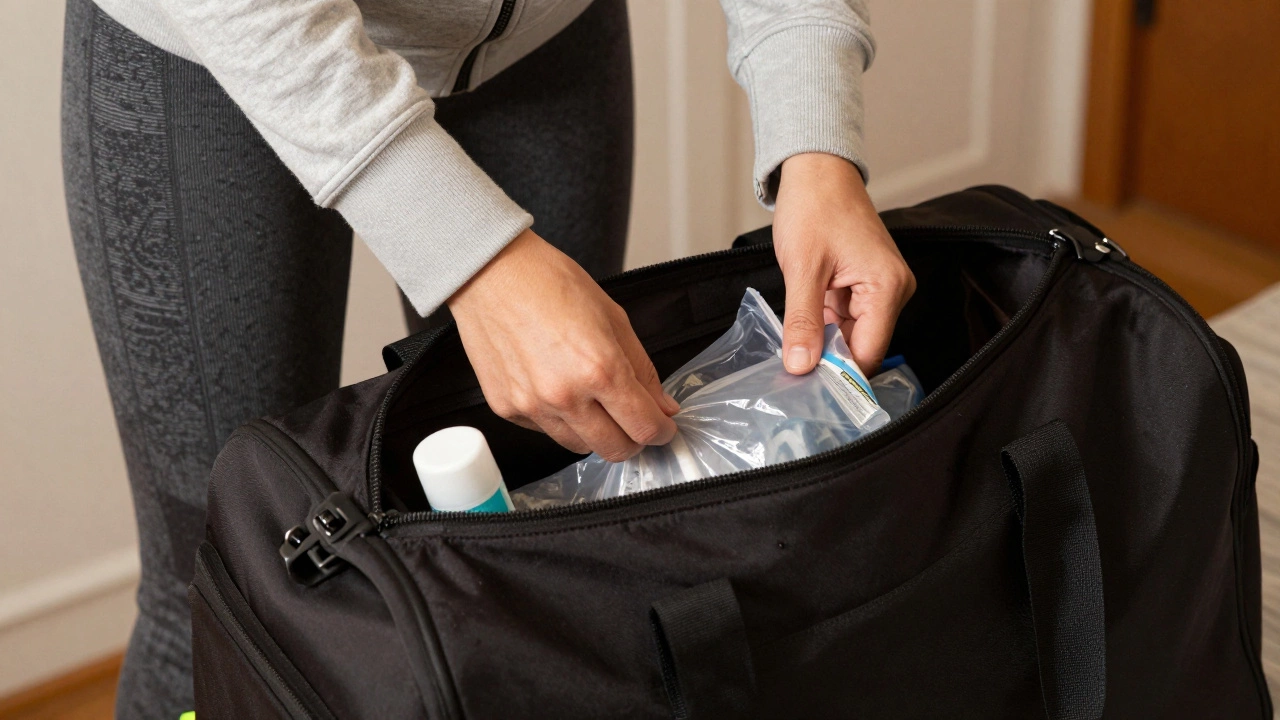
- Toiletries: Pack a small kit with toothpaste, floss, mouthwash, and a hairbrush. A quick refresh in the locker room makes a huge difference in how you feel afterward.
- Hand Sanitizer: Touching dumbbells, kettlebells, and machines exposes you to germs. Sanitize your hands before and after touching equipment, especially if you’re eating post-workout.
- Plastic Bag: For sweaty clothes. No one wants to carry a damp gym bag back home. A cheap plastic bag keeps your clean clothes dry and prevents odors from spreading to your car or office.
Nutrition: Fueling Before and After
What you eat around your session impacts your energy levels and recovery. You don’t need a complicated meal plan, but timing matters.
Eat a small snack 1-2 hours before your session. Good options include a banana with peanut butter, Greek yogurt, or a handful of nuts. This provides quick carbs for energy and some protein to protect muscle tissue. Avoid heavy meals right before working out-they’ll sit in your stomach and make you sluggish.
Post-workout, aim for protein within 30-60 minutes. A protein shake is convenient, but whole foods work too. Chicken breast, eggs, or tofu paired with vegetables are excellent choices. If you’re new to training, focus on hydration first, then nutrition. Don’t stress about perfect macros yet-just fuel your body adequately.
| Item Category | Essential? | Why It Matters |
|---|---|---|
| Stable Shoes | Yes | Prevents ankle rolls and improves balance during lifts |
| Water Bottle | Yes | Maintains hydration and cognitive function |
| Towel | Yes | Hygiene requirement for most gyms |
| Workout Gloves | No | Only needed if you have sensitive hands or callus issues |
| Resistance Bands | No | Trainer usually provides these |
| Phone Charger | No | Useful for tracking apps, but not critical for the session itself |
Technology and Tracking Tools
While you don’t need a smartwatch to benefit from personal training, technology can enhance your experience. Many trainers use apps to track progress, set reminders, or demonstrate exercises via video.
Consider bringing your smartphone with a fitness app installed. Apps like MyFitnessPal, Strava, or even a simple notes app can help log workouts and nutrition. If you wear a fitness tracker, charge it beforehand. Data on heart rate and calories burned can provide useful feedback, but don’t obsess over numbers. Focus on how you feel-energy levels, mood, and strength gains are often better indicators of progress than screen metrics.
Mental Preparation: What to Bring Beyond Physical Items
Your mindset is just as important as your gear. Walking into a personal training session requires vulnerability. You’re asking someone to observe your movement patterns, correct your form, and push your limits. That takes courage.
Bring an open mind. Be honest about your injuries, limitations, and goals. If something hurts, say so immediately. Trainers aren’t there to judge; they’re there to guide. Share your past experiences with exercise-what worked, what didn’t, what scared you. This information helps them tailor the session to your needs.
Also, bring patience. Fitness is a marathon, not a sprint. You won’t see dramatic changes after one session. Progress happens over weeks and months. Celebrate small wins, like completing a set without stopping or feeling less sore the next day.
Common Mistakes to Avoid
New clients often make avoidable errors that hinder their progress. Here’s what to skip:
- Wearing New Shoes: Break them in at home first. Blisters mid-squat are painful and distracting.
- Skipping Warm-Up: Trust your trainer’s warm-up routine. It prepares your muscles and joints for heavier loads.
- Comparing Yourself to Others: Everyone starts somewhere. Focus on your own journey, not the person next to you.
- Overtraining Immediately: Just because you *can* do more doesn’t mean you *should*. Listen to your body and your trainer’s advice.
Final Thoughts: Show Up Ready
Packing for a personal training session isn’t about perfection. It’s about preparation. When you have the right gear, you remove friction from the process. You spend less time worrying about comfort and more time focusing on movement. That shift in attention leads to better results.
Remember, your trainer is your partner in this process. They’ve guided hundreds of people through similar journeys. They know what works and what doesn’t. By showing up prepared, you signal commitment-not just to the session, but to your long-term health. So grab your shoes, fill your water bottle, and step into that gym with confidence. You’ve got this.
Do I need to buy special gym clothes for my first personal training session?
No, you don’t need expensive gear. Wear whatever allows you to move freely and breathe easily. Moisture-wicking fabrics are ideal, but old cotton clothes will work if they fit well. The key is comfort and functionality, not brand names.
Should I eat before my personal training session?
Yes, but lightly. Eat a small snack 1-2 hours before your session to fuel your body. Options like a banana, yogurt, or toast with jam provide quick energy. Avoid heavy meals that could cause discomfort during exercise.
What type of shoes are best for personal training?
Flat-soled shoes like cross-trainers or sneakers with minimal cushioning are best. They provide stability for lifting and agility for dynamic movements. Running shoes are too soft and can compromise balance during weightlifting.
Can I bring my phone to the session?
Yes, but keep it silent and stored away unless you’re using it for music or tracking. Distractions can interrupt your flow and safety. Some trainers may ask you to put it in your bag to maximize focus.
How much water should I drink during a personal training session?
Aim for sips every 15-20 minutes. Total intake depends on intensity and duration, but 500ml-1 liter is typical for a 60-minute session. Listen to your thirst cues and adjust accordingly. Dark urine indicates dehydration, so hydrate well beforehand too.