Which Exercise Is Most Anti-Aging? Why Strength Training Wins

Anti-Aging Strength & Nutrition Calculator
Your Details
Routine Check
Your Anti-Aging Score
Based on article guidelines
Daily Protein Target
To combat anabolic resistance and maintain muscle:
Enter your age and weight to calculate your specific nutritional needs and assess your workout effectiveness against sarcopenia.
You can run every day, swim laps until your lungs burn, or do yoga poses that look impossible. But if you want to stay independent, move with ease, and keep your metabolism firing well into your later years, those activities might not be enough. The real secret to looking and feeling younger isn't just about cardiovascular health; it is about preserving the machinery that moves your body. That machinery is your muscle.
When people ask which exercise is most anti-aging, the answer often surprises them. It is not the treadmill. It is strength training. While cardio keeps your heart healthy, resistance work protects your bones, boosts your metabolic rate, and fights the natural decline of muscle mass known as sarcopenia. Without it, you risk losing the physical independence that defines quality of life in older age.
The Silent Thief: Understanding Sarcopenia
To understand why lifting weights matters, you first need to understand what happens to your body as time passes. Starting around age 30, humans naturally lose between 3% and 5% of their muscle mass per decade if they are sedentary. This process accelerates after age 60. This condition is called sarcopenia, which is the progressive loss of skeletal muscle mass and strength associated with aging.
This is not just about having smaller arms or weaker legs. Muscle tissue is metabolically active. It burns calories even when you are sleeping. When you lose muscle, your resting metabolic rate drops. You gain fat more easily, your blood sugar control worsens, and your joints take on more stress because the muscles that support them are shrinking. It creates a downward spiral where movement becomes harder, leading to less activity, which leads to more muscle loss.
Strength training interrupts this cycle. It sends a signal to your body that says, "We need this tissue." Your muscles respond by repairing and growing stronger. This biological response remains possible at almost any age. Studies show that even individuals in their 80s and 90s can significantly increase their muscle size and strength with proper resistance training.
Bone Density: Building Armor Against Fractures
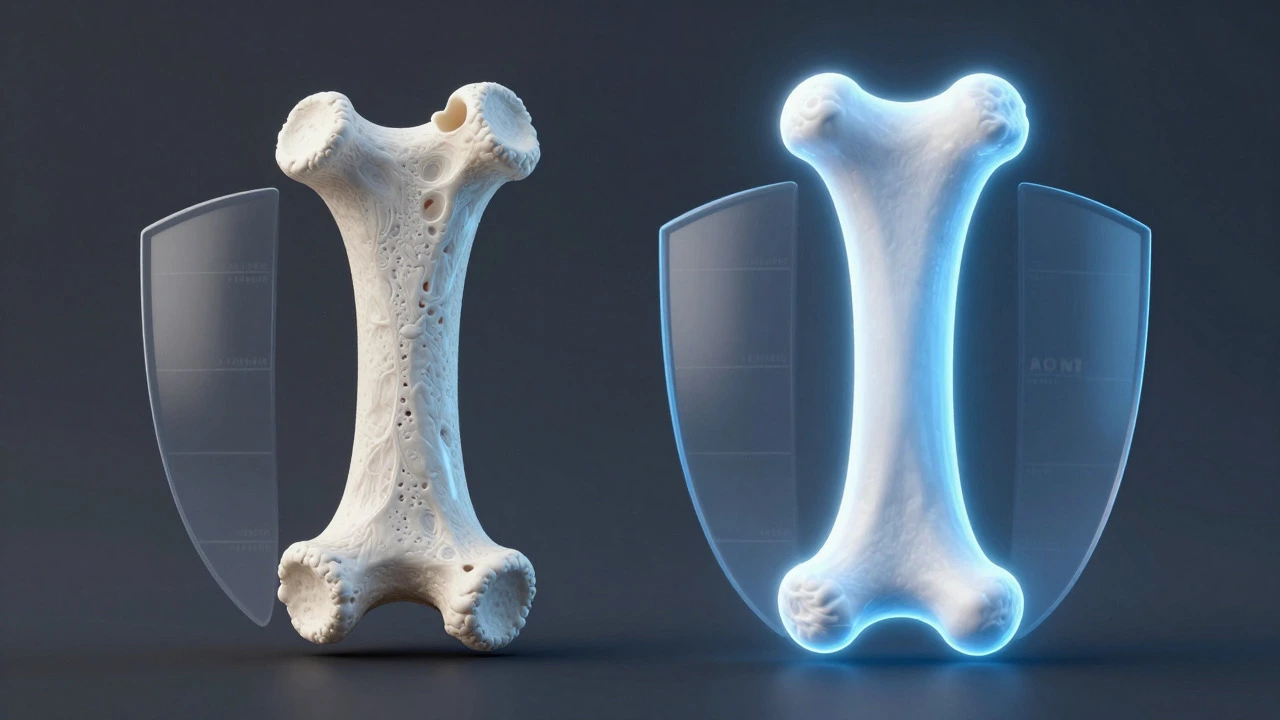
Muscle is only half the story. As we age, our bones also become more porous and brittle. Osteoporosis affects millions of people worldwide, leading to fractures that can be life-altering or even fatal. Weight-bearing exercises help, but not all weight-bearing exercises are created equal.
Walking is great for general health, but it does not provide enough stimulus to significantly increase bone density in older adults. Strength training, however, applies direct mechanical load to the skeleton. According to Wolff's Law, bones adapt to the loads under which they are placed. When you lift weights, squats, or push against resistance bands, you create micro-stress on your bones. In response, your body deposits more calcium and strengthens the bone matrix.
This is crucial for preventing hip and spine fractures. A single hip fracture in an elderly person often leads to a loss of independence. By incorporating heavy compound movements like squats, deadlifts, and overhead presses, you are essentially building armor around your skeleton. You are making your bones denser and more resilient to impact.
Metabolic Health and Blood Sugar Control
Your muscles are the primary storage site for glucose in your body. They act like sponges, soaking up sugar from your bloodstream to use for energy. As you age and lose muscle mass, you have fewer "sponges" available. This makes it harder for your body to regulate blood sugar levels, increasing the risk of type 2 diabetes and insulin resistance.
Strength training improves insulin sensitivity. After a workout, your muscles remain hungry for glucose for up to 48 hours as they repair themselves. This means your body becomes better at managing blood sugar spikes after meals. For anyone concerned about metabolic aging, building muscle is one of the most effective interventions available. It works alongside diet to keep your energy stable and reduce inflammation throughout the body.
Functional Independence: Living Life on Your Terms
Anti-aging is not just about living longer; it is about living well. What does "living well" look like in practice? It means being able to carry groceries up stairs without getting winded. It means picking up your grandchild without worrying about your back. It means getting out of a low chair without using your hands to push yourself up.
These are functional movements. Strength training mimics these daily actions. A squat teaches you how to stand up safely. A row helps you maintain posture while carrying bags. An overhead press prepares your shoulders for reaching high shelves. Unlike isolated machine exercises that target single muscles, functional strength training focuses on movement patterns that translate directly to real life.
Research consistently shows that older adults who engage in regular resistance training have better balance, coordination, and gait speed. Faster gait speed is actually a strong predictor of longevity. If you can walk briskly, you are likely to live longer and enjoy better cognitive function. Strength training builds the foundation for this mobility.
Cardio vs. Strength: Do You Need Both?
If strength training is the king of anti-aging, does that mean you should stop running or swimming? Absolutely not. Cardiovascular exercise offers unique benefits that strength training cannot replicate. It improves heart efficiency, lowers blood pressure, and enhances lung capacity. However, cardio alone does not build muscle or bone density.
Think of your fitness routine as a table. You need multiple legs to keep it stable. Cardio is one leg, flexibility is another, and strength is the third. If you remove the strength leg, the table wobbles. The ideal approach for anti-aging is a combination of both. Aim for at least two days of strength training per week, combined with moderate aerobic activity on other days.
| Benefit Area | Strength Training | Aerobic/Cardio |
|---|---|---|
| Muscle Mass Preservation | High Impact | Low Impact |
| Bone Density | High Impact | Moderate Impact |
| Heart Health | Moderate Impact | High Impact |
| Metabolic Rate | Increases Resting Metabolism | Burns Calories During Activity |
| Fall Prevention | Improves Balance & Power | Improves Endurance |

How to Start Strength Training Safely
Starting a new exercise regimen can feel intimidating, especially if you have been inactive for a while. The key is to start small and focus on consistency rather than intensity. You do not need a gym membership or expensive equipment to begin. Bodyweight exercises are an excellent starting point.
- Master Basic Movements: Begin with squats (sit-to-stands), wall push-ups, and glute bridges. These movements teach your body how to move correctly without placing excessive strain on your joints.
- Add Resistance Gradually: Once you can perform 10-12 repetitions of a bodyweight exercise with good form, add resistance. This could be a pair of dumbbells, resistance bands, or a kettlebell.
- Prioritize Form Over Weight: Poor form leads to injury. Focus on controlled movements. Lower the weight slowly, pause briefly, and push up explosively. Quality always beats quantity.
- Rest and Recover: Muscles grow during rest, not during the workout. Allow at least 48 hours between strength sessions targeting the same muscle groups. Sleep is critical for recovery and hormone regulation.
- Listen to Your Body: Some soreness is normal, but sharp pain is not. If something hurts, stop. Consult a physical therapist or certified trainer if you have existing health conditions.
Consistency is more important than perfection. Two 30-minute sessions per week will yield far better results than one intense hour once a month. Make it a habit. Schedule your workouts like appointments you cannot miss.
Nutrition: Fueling Your Anti-Aging Engine
Exercise stimulates muscle growth, but nutrition provides the building blocks. You cannot build a house without bricks. Protein is the essential brick for muscle tissue. As we age, our bodies become less efficient at processing protein, a phenomenon known as anabolic resistance.
To counteract this, older adults may need slightly more protein than younger individuals. Aim for 1.2 to 1.6 grams of protein per kilogram of body weight per day. Spread this intake evenly across meals. Include high-quality sources like lean meats, fish, eggs, dairy, legumes, and tofu. Pairing protein with resistance training maximizes muscle retention and growth.
Hydration is equally important. Dehydration can mimic fatigue and reduce performance. Drink water throughout the day, and consider electrolytes if you sweat heavily during workouts. Your cells need fluid to function optimally, including your muscle cells.
Cognitive Benefits: A Strong Body Supports a Sharp Mind
The connection between physical strength and brain health is stronger than many realize. Strength training has been linked to improved memory, attention, and executive function. How does lifting weights help your brain?
First, exercise increases blood flow to the brain, delivering oxygen and nutrients. Second, it stimulates the production of brain-derived neurotrophic factor (BDNF), a protein that supports the survival of existing neurons and encourages the growth of new ones. Third, reducing systemic inflammation through exercise protects the brain from neurodegenerative diseases like Alzheimer's and dementia.
Furthermore, the discipline required to stick with a strength training program builds mental resilience. Setting goals, overcoming challenges, and seeing progress boost confidence and reduce anxiety. A strong mind complements a strong body, creating a holistic approach to aging gracefully.
Is it too late to start strength training if I am over 70?
It is never too late. Research shows that individuals in their 80s and 90s can still build significant muscle mass and strength. Start with light weights or bodyweight exercises and focus on proper form. Consult your doctor before beginning any new exercise program, especially if you have chronic health conditions.
How many times a week should I strength train for anti-aging benefits?
Aim for at least two non-consecutive days per week. This allows sufficient time for muscle recovery and growth. You can split your workouts by body part (e.g., upper body one day, lower body another) or do full-body workouts each session. Consistency is key.
Do I need to go to a gym to do strength training?
No, you do not need a gym. Home workouts using resistance bands, dumbbells, or even household items like water jugs can be highly effective. Bodyweight exercises like squats, push-ups, and planks require no equipment at all. The most important factor is progressive overload-gradually increasing the difficulty over time.
Can strength training cause joint pain?
Properly performed strength training strengthens the muscles around your joints, providing better support and reducing pain. However, poor form or lifting too much weight too soon can cause injury. Start light, prioritize technique, and listen to your body. If you have existing joint issues, consult a physical therapist for tailored advice.
What is the best type of strength training for beginners?
Begin with functional, compound movements that use multiple muscle groups. Squats, lunges, push-ups, rows, and bridges are excellent choices. These exercises mimic everyday activities and provide the most bang for your buck. As you gain confidence and strength, you can explore more specialized exercises.