Why Do I Feel Weird After Yoga? 6 Common Causes and How to Fix Them
Post-Yoga Symptom Checker & Fix Guide
Select one or more sensations from the left to analyze your post-yoga experience.
You finish your final Savasana is the corpse pose, a resting position used at the end of yoga classes to integrate the benefits of the practice, roll up your mat, and instead of feeling energized, you feel... off. Maybe it’s nausea, maybe it’s sudden exhaustion, or perhaps a strange emotional wave hits you out of nowhere. You aren’t alone. Many practitioners experience this disorienting sensation, often called "post-yoga weirdness." It can be confusing when a practice designed for balance leaves you feeling unbalanced.
This reaction isn't usually a sign that you're doing something wrong. In fact, it often means your body is responding deeply to the physical and mental stress of the session. Understanding why this happens helps you adjust your routine so you can keep practicing without the uncomfortable aftermath.
The Physical Shift: Blood Flow and Pressure Changes
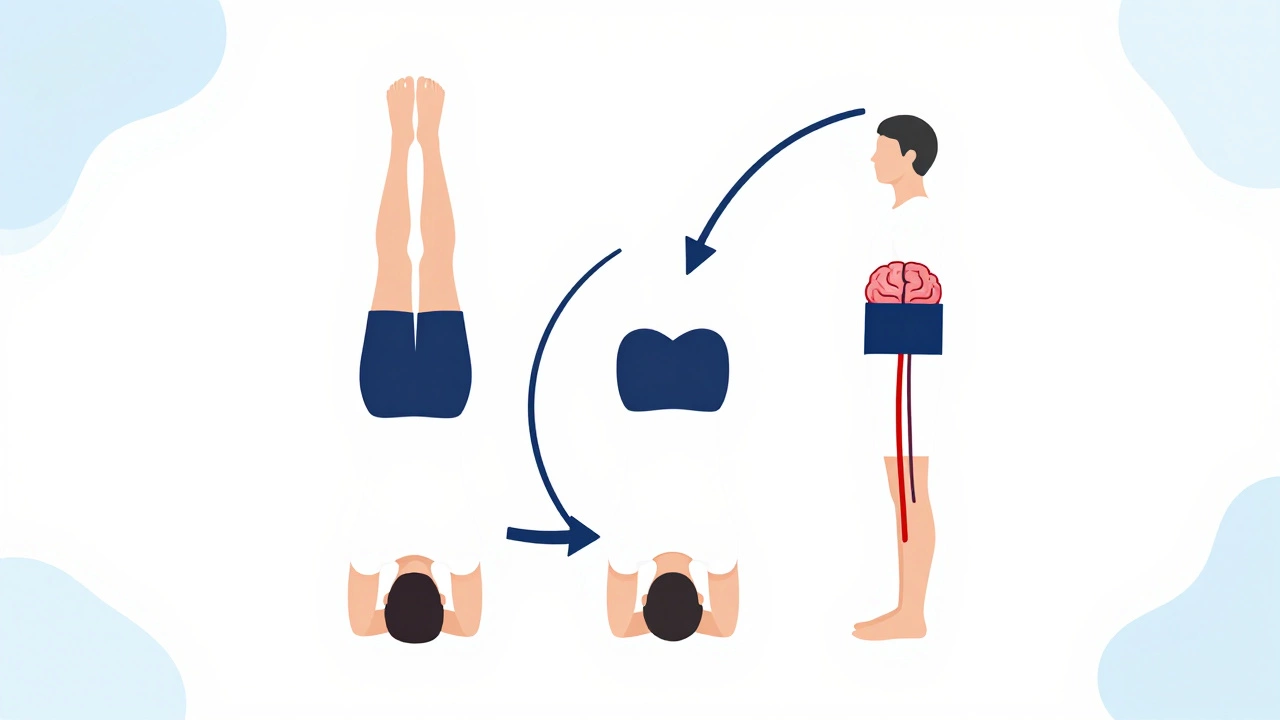
One of the most common reasons for feeling lightheaded or dizzy after class involves how your blood moves during practice. When you hold poses like Headstand is an inverted yoga posture where the body is balanced on the head and forearms, reversing blood flow to the brain or even just deep forward folds, gravity pulls blood toward different parts of your body. If you stand up too quickly from these positions, your blood pressure can drop suddenly. This is known as orthostatic hypotension.
Your body needs a moment to readjust its circulation when you return to an upright position. If you skip the cool-down or jump straight into standing poses, you might feel woozy. The solution is simple: move slowly. Take time between transitions. Let your heart rate settle before you leave the mat. Drinking water immediately after class also helps stabilize your blood volume and pressure.
The Detox Myth vs. Reality
You’ve probably heard instructors say you’re "detoxing" when you feel tired or get a headache after yoga. While sweat does remove some toxins, your liver and kidneys do the heavy lifting. However, intense movement does release stored metabolic waste products from your muscles, such as lactic acid. When you stretch deeply, you’re moving fluid through tissues that have been stagnant.
This shift can cause temporary fatigue or mild flu-like symptoms. It’s not necessarily a "detox" in the marketing sense, but it is your body processing physical stress. If you push too hard in a vinyasa flow or hold a challenging stretch like Pigeon Pose is a hip-opening yoga posture that stretches the glutes and piriformis muscle, often releasing tension stored in the hips for too long, your muscles may react with soreness and lethargy. Rest, hydration, and gentle movement the next day help clear this buildup faster than staying sedentary.
Emotional Release: Why Crying Happens on the Mat
Sometimes the "weird" feeling is emotional. You might find yourself tearing up during a simple stretch or feeling unexpectedly sad after class. This happens because yoga connects breath with movement, which calms the nervous system. When the mind quiets down, suppressed emotions can surface. Trauma stored in the body often releases through movement and breathwork.
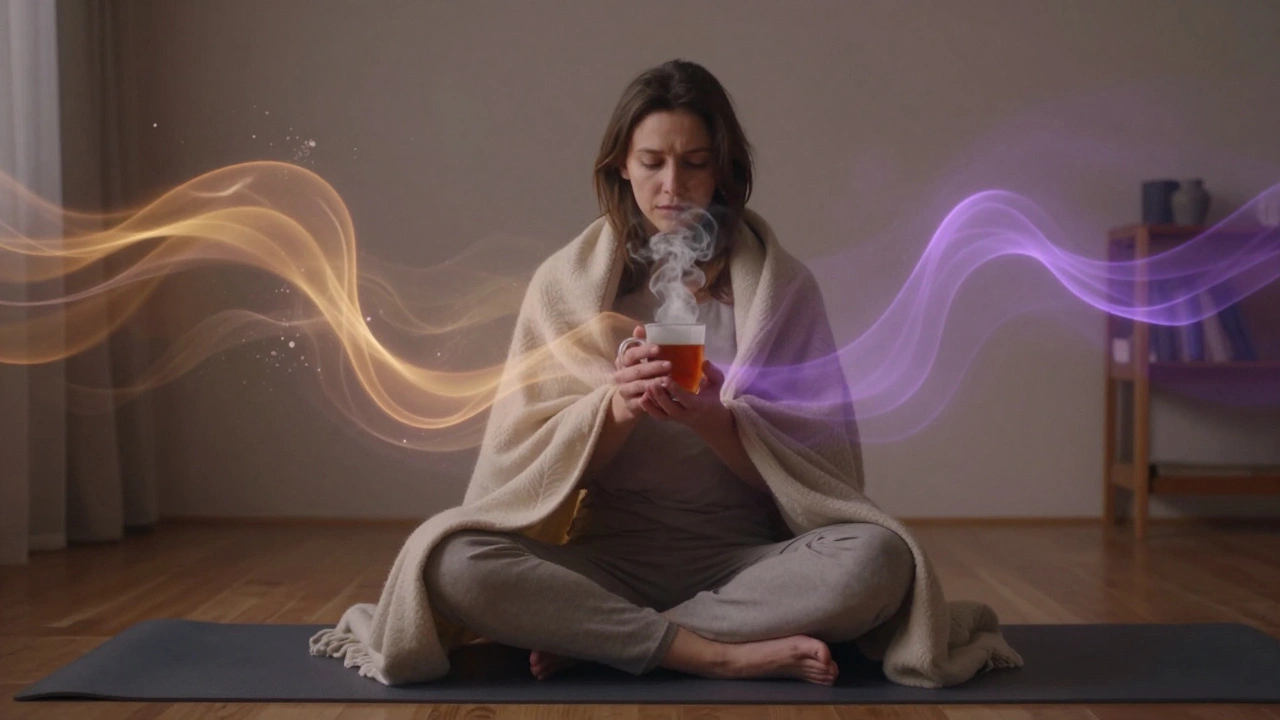
If you’ve been holding onto stress, anxiety, or grief, yoga provides a safe space for those feelings to emerge. It’s not a malfunction; it’s a feature. Your body is letting go of tension it was carrying. If this happens, acknowledge the emotion without judgment. Drink some warm tea, wrap yourself in a blanket, and give yourself permission to rest. Journaling after class can also help process what came up.
Breath Misalignment: Hyperventilation Risks
Your breathing pattern plays a huge role in how you feel post-class. Many beginners accidentally over-breathe or hold their breath during difficult poses. This disrupts the balance of oxygen and carbon dioxide in your blood. Low carbon dioxide levels can cause tingling in your fingers, dizziness, and a sense of detachment or anxiety.
Pay attention to your inhales and exhales. They should be smooth and controlled, not forced. If you feel short of breath, step back from the pose. Use props like blocks or straps to make the position accessible so you can maintain steady breathing. Practicing Pranayama is yogic breath control techniques that regulate the flow of prana (life force) through specific breathing patterns outside of asana practice can also train your lungs to handle deeper breaths without panic.
Hunger and Energy Crashes
Yoga burns more energy than people realize, especially power yoga or hot yoga. If you practice on an empty stomach, your blood sugar can drop, leading to shakiness, irritability, or faintness. On the flip side, eating a heavy meal right before class diverts blood to digestion, leaving less for your muscles and brain, which causes sluggishness and nausea.
Aim for a light snack about an hour before class-something easy to digest like a banana or a handful of almonds. Avoid heavy proteins or large meals within two hours of practice. Afterward, refuel with a mix of protein and carbs to replenish glycogen stores. This prevents the post-class crash and keeps your energy stable throughout the day.
| Sensation | Likely Cause | Quick Fix |
|---|---|---|
| Dizziness | Blood pressure drop from inversion or quick standing | Stand up slowly; hydrate immediately |
| Nausea | Eating too close to class or overheating | Wait 2 hours after eating; sip cool water |
| Emotional Tears | Release of stored tension or trauma | Rest in Savasana; journal later |
| Tingling Fingers | er>Hyperventilation or low CO2 levels | Slow down breathing; pause the pose |
| Extreme Fatigue | Physical exertion or sleep debt | Take a nap; eat a balanced meal |
How to Adjust Your Practice
If you frequently feel weird after yoga, tweak your approach. Start with gentler styles like Hatha Yoga is a slow-paced style of yoga focusing on basic postures and alignment, suitable for beginners before trying intense flows. Listen to your body’s signals during class. If a pose feels sharp or painful, modify it. Don’t push through pain thinking it’s part of the process. Pain is a warning sign; discomfort is normal, but injury is not.
Also, consider the timing of your classes. Morning sessions might leave you alert, while evening classes could promote relaxation but also deepen emotional release. Experiment with different times to see what works best for your energy levels. Consistency matters more than intensity. Regular, moderate practice builds resilience without overwhelming your system.
Is it normal to feel sick after yoga?
Yes, mild nausea or dizziness can happen if you eat too close to class, overheat, or stand up too quickly from inversions. It’s usually temporary and preventable with proper timing and hydration.
Why do I cry during yoga?
Crying is a natural response to releasing emotional tension stored in the body. Yoga calms the nervous system, allowing suppressed feelings to surface. It’s a healthy sign of emotional processing.
Should I stop yoga if I feel weird every time?
Not necessarily. First, try adjusting your diet, hydration, and pace. If symptoms persist or worsen, consult a healthcare provider to rule out underlying issues like anemia or blood pressure disorders.
What should I eat before yoga?
Eat a light snack like a banana, apple slices, or a small yogurt one hour before class. Avoid heavy, fatty, or large meals within two hours of practice to prevent nausea.
Can yoga cause headaches?
Yes, headaches can result from dehydration, straining the neck in poses, or holding your breath. Ensure you drink enough water, relax your jaw and shoulders, and breathe steadily throughout the session.