Why Is My Stomach Bigger After Running? Causes, Fixes, and When to Worry

Post-Run Bloating Analyzer
Your Run Details
Enter your details to find out why your stomach might look bigger after running.
You lace up your shoes, hit the pavement for a solid five-mile run, and feel great. Then you get home, hop on the scale, or glance in the mirror, and notice something unsettling: your stomach looks bigger than it did before you started. It’s frustrating, especially when you’re trying to lose weight or tone up. You might wonder if you’ve somehow gained fat in an hour, or if your body is broken. The truth is, this is a common phenomenon known among runners as "post-run bloat," and it usually has nothing to do with actual fat gain.
Understanding why your midsection expands after exercise can save you from unnecessary panic and help you adjust your routine for better comfort. Whether it’s water retention, digestive distress, or muscle inflammation, there are specific reasons behind that temporary puffiness. Let’s break down exactly what’s happening inside your body and how to fix it.
The Quick Takeaways
- Bloating is not fat: A bigger stomach immediately after running is almost always fluid, gas, or inflammation, not new adipose tissue.
- Digestion takes a back seat: Blood flow shifts away from your gut to your muscles during a run, slowing digestion and causing food to sit heavier in your stomach.
- Sodium and carbs cause water retention: If you consumed sports drinks or salty snacks pre-run, your body holds onto that water to maintain balance.
- Core muscles swell: Engaging your abs and obliques during running causes temporary micro-tears and swelling, similar to a pump at the gym.
- Timing matters: Eating too close to your run is the number one culprit for acute stomach distension.
Why Your Gut Slows Down (And Blooms Up)
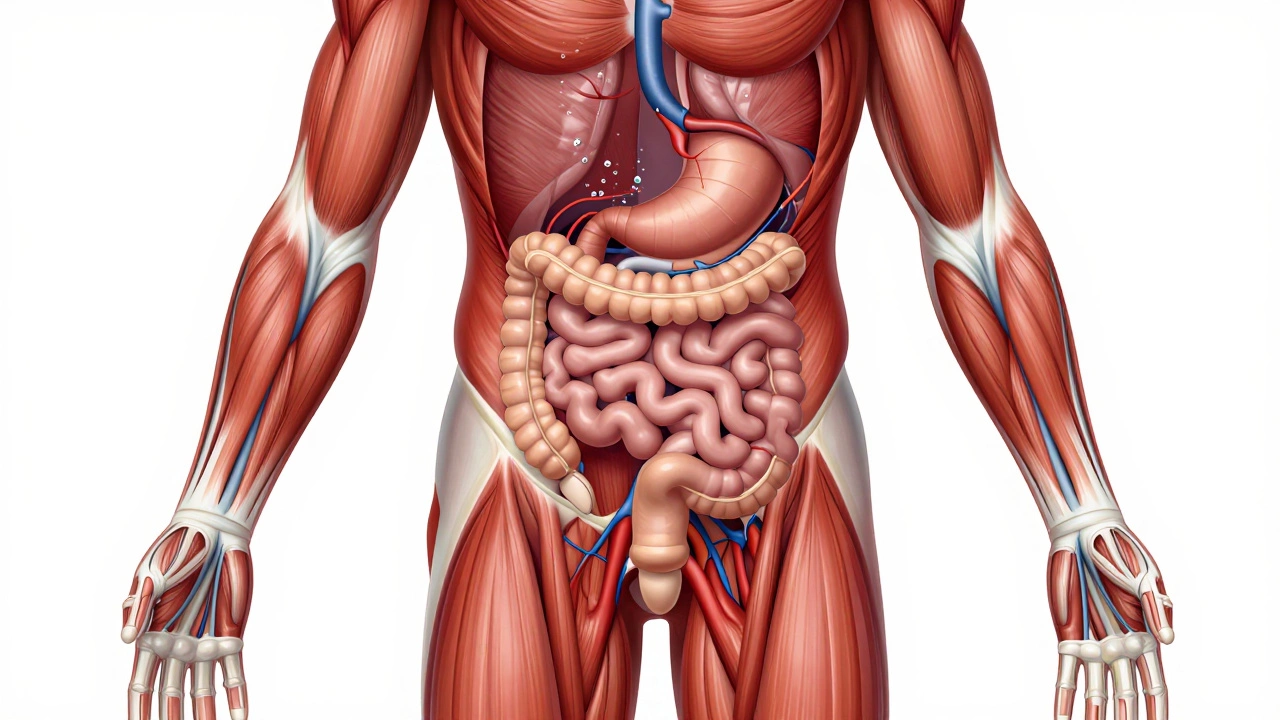
When you start running, your body undergoes a massive physiological shift. It prioritizes survival and performance over maintenance tasks like digestion. This process is called splanchnic vasoconstriction, which is the narrowing of blood vessels in the abdominal organs to redirect blood flow to working muscles and skin for cooling.
Think of it like rerouting traffic. Normally, blood flows freely to your stomach and intestines to break down food. But when you run, your heart pumps blood primarily to your legs, arms, and lungs. The digestive system gets put on pause. If you ate a meal within two to three hours of your run, that food isn’t moving through your system efficiently. It sits in your stomach longer, fermenting slightly and producing gas. This trapped air and undigested food create physical pressure, pushing your abdominal wall outward.
This effect is more pronounced if you eat high-fiber foods, dairy, or fatty meals before exercising. Fiber adds bulk, dairy can be hard to digest for lactose-intolerant individuals (which many people discover only when they start running), and fats delay gastric emptying significantly. The result? A feeling of fullness that translates visually into a larger stomach circumference.
Water Retention and the Sodium Factor
If you’ve been drinking sports drinks like Gatorade or eating salty pretzels before your run, your stomach might look bigger due to simple physics: water retention. Sodium is an electrolyte that regulates fluid balance in the body; excess sodium causes cells to hold onto water to dilute the salt concentration.
For every gram of sodium your body retains, it holds onto about three cups of water. During intense exercise, you sweat out electrolytes. To compensate, many runners consume sodium-rich fluids. While this is crucial for preventing cramps and hyponatremia, it can lead to temporary water weight gain. This water doesn’t just sit in your muscles; it distributes throughout your extracellular space, including your abdomen.
Additionally, if you’ve recently increased your carbohydrate intake to fuel longer runs, your body stores those carbs as glycogen in your liver and muscles. Each gram of glycogen binds with approximately three grams of water. So, if you carb-load or eat a pasta dinner before a long weekend run, you might see a sudden increase in belly size simply because your body is hydrating its energy stores. This is often mistaken for fat gain, but it’s actually fuel storage.
| Cause | Mechanism | Duration | Solution |
|---|---|---|---|
| Gastric Distress | Reduced blood flow to gut slows digestion | 1-3 hours | Eat 2-3 hours before running |
| Water Retention | Sodium and glycogen storage hold water | 24-48 hours | Hydrate with water, limit excess salt |
| Gas Production | Aerophagia (swallowing air) or fermentation | Variable | Avoid carbonated drinks, chew slowly |
| Muscle Inflammation | Micro-tears in core muscles cause swelling | 24-72 hours | Rest, gentle stretching, foam rolling |
The "Runner’s Gut" and Aerophagia
Many runners experience gastrointestinal issues collectively known as Runner's Gut, which refers to gastrointestinal symptoms such as cramping, diarrhea, or bloating caused by the mechanical jostling of the gut and reduced blood flow during endurance exercise. One specific contributor to a bigger-looking stomach is aerophagia, or swallowing air.
When you run, especially if you’re breathing heavily through your mouth, you tend to gulp air along with oxygen. This swallowed air travels down your esophagus into your stomach. Since it can’t escape easily while you’re upright and moving vigorously, it accumulates. You might feel burpy, but not all the air comes up. The remaining air expands your stomach cavity, creating visible distension.
This is often worse if you talk while running or drink from a handheld bottle without pausing your breath rhythm. Carbonated beverages make this significantly worse, as they release carbon dioxide gas directly into your stomach. If you notice your stomach popping out immediately after a run, check your breathing technique. Try nasal breathing when possible, or focus on rhythmic exhales to expel air rather than inhaling sharply.
Core Muscle Inflammation and Swelling
Running isn’t just a leg workout. It requires significant stabilization from your core muscles-your rectus abdominis, obliques, and transverse abdominis. These muscles work constantly to keep your torso upright and prevent excessive rotation. If you’ve recently increased your mileage, started hill repeats, or added strength training, your core muscles may be inflamed.
Just like your calves might feel tight and look slightly swollen after a tough session, your abdominal muscles can experience Delayed Onset Muscle Soreness (DOMS), which is pain and stiffness in muscles that begins 24 to 72 hours after unaccustomed or strenuous exercise. This inflammation involves fluid accumulation in the muscle tissue as part of the repair process. While this doesn’t add inches to your waistline overnight, it can make your abdomen feel firmer and look slightly more rounded or puffy, especially if you’re already carrying some visceral fat.
This type of swelling is temporary. It peaks around 48 hours post-exercise and resolves as the muscles heal. If your stomach feels tender to the touch or hurts when you cough or laugh, it’s likely muscular inflammation rather than digestive bloat.
How to Prevent Post-Run Bloating
Now that you know why it happens, here’s how to stop it. Prevention is mostly about timing and composition.
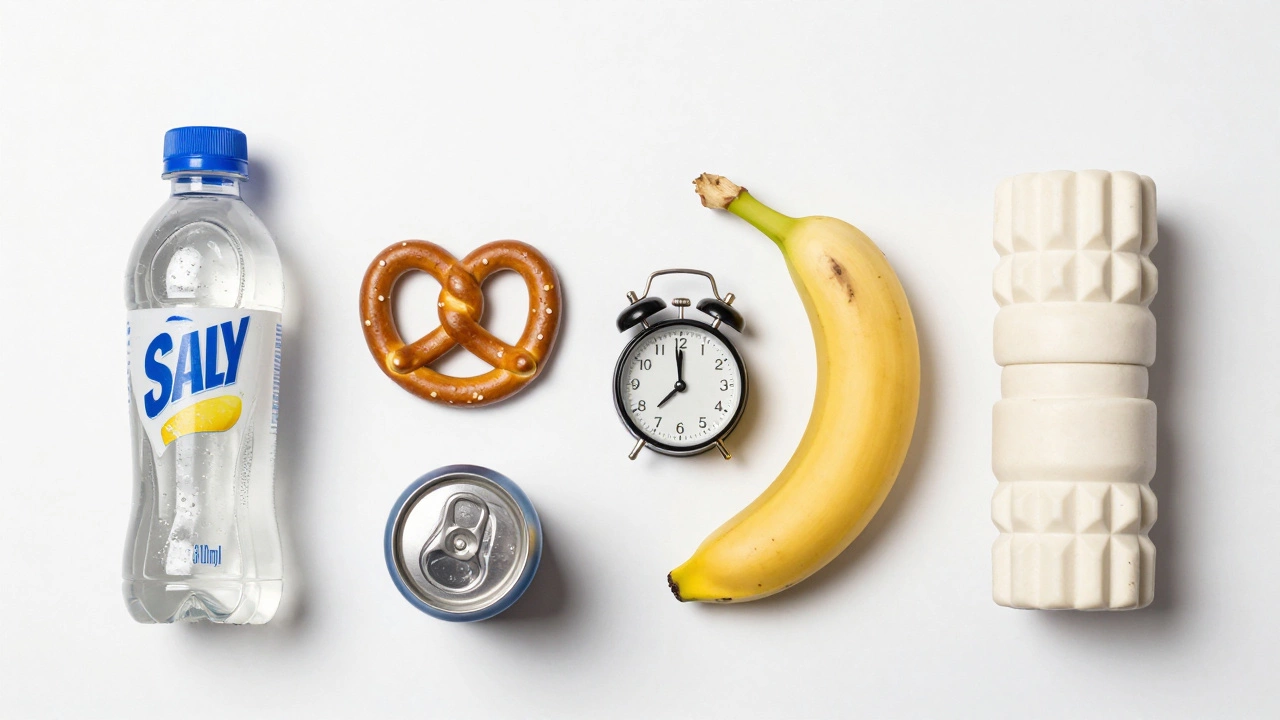
- Time your meals correctly: Avoid large meals within three hours of running. If you need energy, opt for a small, easily digestible snack 60 minutes before, like a banana or a slice of toast with honey. Avoid high-fiber vegetables, beans, and heavy fats pre-run.
- Hydrate smartly: Drink water consistently throughout the day rather than chugging large amounts right before your run. During the run, sip water or electrolyte solutions sparingly unless you’re running for more than 90 minutes.
- Limit artificial sweeteners: Many sports gels and chews contain sugar alcohols like sorbitol or maltitol. These are notorious for causing gas and bloating in sensitive individuals. Look for products with real sugars or glucose polymers instead.
- Practice diaphragmatic breathing: Learn to breathe deeply into your belly rather than shallowly into your chest. This reduces the amount of air you swallow and improves oxygen efficiency.
- Strengthen your core gradually: Incorporate core stability exercises like planks and dead bugs into your routine. Stronger cores stabilize better, reducing excessive movement and potential strain during runs.
When to See a Doctor
While occasional bloating is normal, persistent or severe abdominal pain after running could indicate an underlying issue. Conditions like irritable bowel syndrome (IBS), food intolerances (such as celiac disease or lactose intolerance), or even hernias can worsen with the impact of running. If you experience sharp pain, vomiting, or bloody stools, stop running and consult a healthcare professional. They can help identify specific triggers and provide a management plan tailored to your needs.
Frequently Asked Questions
Does running make your stomach bigger permanently?
No, running does not make your stomach bigger permanently. Any immediate increase in stomach size after running is due to temporary factors like water retention, gas, or muscle inflammation. Over time, consistent running typically leads to fat loss, including around the midsection, resulting in a smaller waistline.
Why do I feel bloated after running but not walking?
Running is a higher-intensity activity that causes greater splanchnic vasoconstriction, meaning more blood is diverted away from your digestive system compared to walking. Additionally, the impact and jostling of running can irritate the gut lining and cause you to swallow more air, leading to increased bloating.
Can dehydration cause stomach bloating?
Yes, paradoxically, dehydration can contribute to bloating. When you’re dehydrated, your body goes into conservation mode and holds onto every drop of water it can find, including in your tissues. This water retention can manifest as puffiness in the face and abdomen. Proper hydration helps flush out excess sodium and reduces this effect.
What should I eat before a run to avoid bloating?
Choose low-fiber, low-fat, and low-sugar foods that are easy to digest. Good options include white rice, bananas, applesauce, or plain toast. Avoid cruciferous vegetables (broccoli, cauliflower), beans, dairy products if you are sensitive, and spicy foods within three hours of your run.
How long does post-run bloating last?
Post-run bloating typically lasts anywhere from a few hours to 24 hours. Digestive bloat often resolves once your body processes the food and gas. Water retention may take up to 48 hours to normalize, especially if you consumed high amounts of sodium or carbohydrates.