Will Running 1 Mile a Day Lose Belly Fat? The Real Answer

Belly Fat Running Calculator
Calorie Deficit Calculator
Running one mile a day sounds simple. You wake up, lace up, and hit the pavement. It’s doable for almost anyone - no gym membership, no equipment, no fancy gear. But if you’re hoping that single mile will melt away your belly fat, you might be setting yourself up for disappointment. Here’s the truth: running 1 mile a day can help with fat loss, but it’s not a magic bullet - especially not for stubborn belly fat.
How Many Calories Do You Actually Burn?
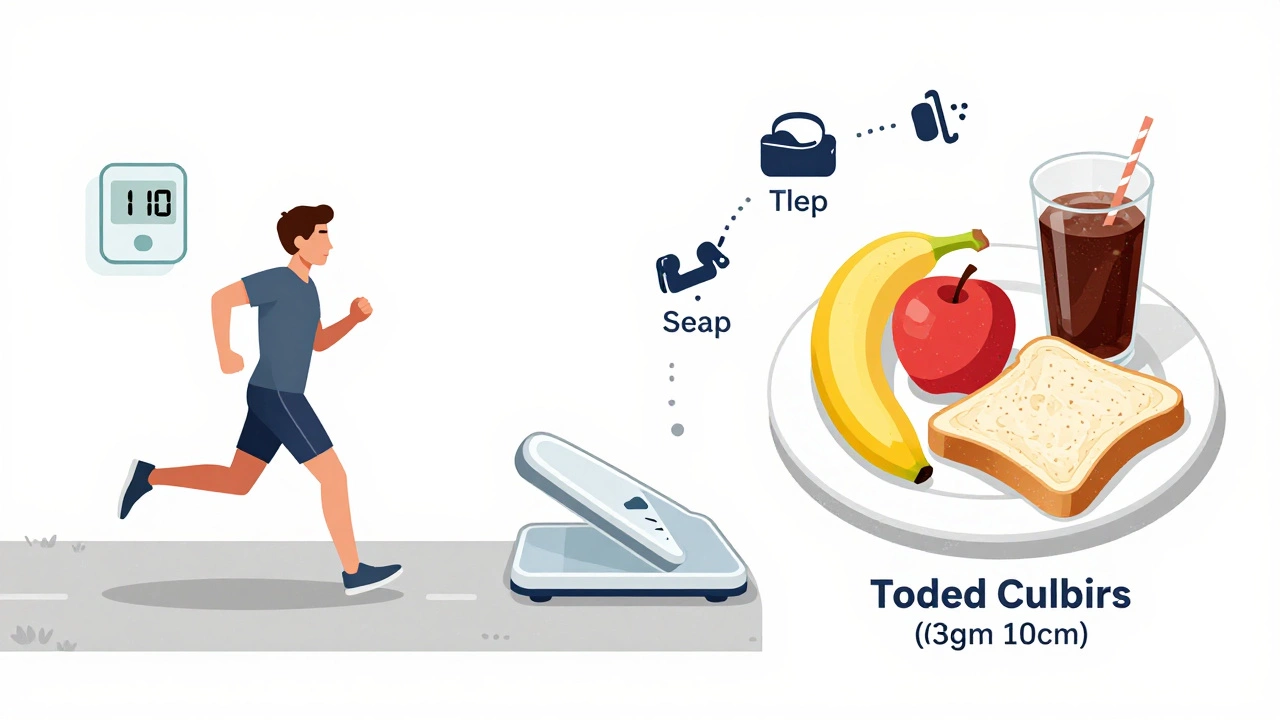
Let’s start with numbers. A 150-pound person burns about 100-120 calories running one mile. That’s roughly the same as a small apple or half a banana. If you’re eating the same amount of food you always have, that calorie burn won’t create a meaningful deficit. To lose one pound of fat, you need a 3,500-calorie deficit. That means you’d need to run 30 miles just to lose one pound - and that’s without eating anything extra.
Here’s the catch: your body adapts. After a few weeks of running the same route at the same pace, your metabolism adjusts. You burn fewer calories per mile. Your body becomes more efficient. That’s why people who run daily for months often see little change on the scale - even if they’re consistent.
Belly Fat Isn’t Just About Cardio
Spot reduction doesn’t exist. You can’t choose where your body loses fat. Running burns calories, yes - but those calories come from your total fat stores, not just your midsection. Belly fat, especially visceral fat (the kind around your organs), is influenced by more than just exercise.
Studies from the Journal of Obesity show that people who lose belly fat successfully combine aerobic exercise with:
- Strength training (to preserve muscle mass)
- Protein-rich diets (to reduce hunger and stabilize blood sugar)
- Stress management (high cortisol = more abdominal fat storage)
- Quality sleep (under 6 hours per night increases visceral fat)
If you’re only running and not touching any of those other levers, you’re leaving most of the work undone.
What Does Running 1 Mile a Day Actually Do?
Don’t write it off just yet. Running one mile a day has real benefits - just not the ones you might expect.
- Builds consistency. If you can run a mile every day, you’re building a habit. That’s harder than it sounds. Most people quit before they even hit 30 days.
- Improves heart health. Even light daily cardio lowers resting heart rate and improves circulation. That matters more long-term than how tight your jeans feel.
- Reduces stress. Endorphins from running help lower cortisol. Less stress means less fat storage around your waist.
- Creates momentum. Once you’re running daily, it’s easier to add distance, speed, or intensity later.
Think of it this way: running one mile a day is like brushing your teeth. It’s not enough to prevent cavities on its own - but it’s the foundation for better oral health. Same here.
What You Need to Change to See Belly Fat Loss
If your goal is to lose belly fat, you need a plan that goes beyond running. Here’s what actually works:
- Adjust your diet. You can’t out-run a bad diet. Cutting added sugar, refined carbs, and oversized portions makes a bigger difference than adding another mile. Try swapping soda for water, snacks for nuts, and white bread for whole grains.
- Add two days of strength training. Muscle burns more calories at rest. Squats, lunges, push-ups, and planks don’t just tone - they boost your metabolism. A 2024 study in the British Journal of Sports Medicine found that people who lifted weights twice a week lost 3x more belly fat than those who only did cardio.
- Track your sleep and stress. If you’re sleeping less than 7 hours or feeling constantly wired, your body holds onto fat. Try a 10-minute wind-down routine before bed - no screens, just deep breathing.
- Drink more water. Dehydration tricks your brain into thinking you’re hungry. Aim for half your body weight in ounces. For a 150-pound person, that’s 75 ounces - about 9 glasses.
Realistic Timeline: How Long Until You See Results?
There’s no magic number. But if you combine running one mile a day with the changes above, you’ll likely notice:
- Weeks 1-4: More energy, better sleep, clothes fit looser around the waist (even if the scale doesn’t move).
- Weeks 5-8: Visible reduction in waist circumference. This is often the first sign of belly fat loss.
- Weeks 9-12: If you’ve stuck with diet and strength training, you’ll see measurable fat loss. Belly fat tends to go first for most people.
Most people give up before week 6. If you’re still running after 90 days - and you’ve tweaked your diet - you’re in the top 10% of people who stick with fitness goals.

What About Walking?
Some people say walking 10,000 steps a day is better than running one mile. It’s not. Walking burns fewer calories. But if you’re new to movement, walking is a great start. The goal isn’t to compare - it’s to move consistently. If you can’t run a mile yet, walk it. Then gradually jog the last 200 yards. Build up. Don’t compare your start to someone else’s middle.
Final Answer: Yes, But Not Enough
Running one mile a day will help you lose belly fat - if it’s part of a bigger plan. Alone? No. Combined with better food, strength training, sleep, and stress control? Yes. It’s not about the mile. It’s about the habit. That daily run is your anchor. It keeps you moving. It keeps you connected to your body. And over time, that consistency changes everything.
Don’t expect miracles. Do expect progress. One mile a day isn’t the finish line - it’s the first step on a longer journey.
Can I lose belly fat by just running 1 mile a day without changing my diet?
No, not reliably. You’d need to burn over 3,500 calories to lose one pound of fat. Running one mile burns about 100-120 calories. That means you’d need to run 30 miles just to lose one pound - and even then, your body will adapt and burn fewer calories over time. Without reducing calorie intake, especially from sugar and refined carbs, belly fat won’t shrink significantly.
How long does it take to see belly fat loss from running?
If you’re only running and not changing your diet or adding strength training, you may not see changes for months - or ever. But if you combine daily running with better nutrition and two days of strength training per week, most people notice looser clothing around the waist in 4-6 weeks. Measurable fat loss usually shows up between 8-12 weeks.
Is running better than walking for belly fat loss?
Running burns more calories in less time. One mile of running burns roughly double what walking the same distance does. But walking is still effective if you’re consistent. The key isn’t the activity - it’s the total daily movement and energy balance. If you can’t run, walk. Then gradually increase intensity. Progress matters more than the starting point.
Do I need to run every single day to lose belly fat?
No. Daily running helps build habit, but rest days are important for recovery. You can run 4-5 days a week and still lose fat - especially if you add strength training on off days. Overtraining can raise cortisol, which actually makes belly fat harder to lose. Listen to your body. Consistency over months beats daily burnout.
Why isn’t my belly fat shrinking even though I run every day?
There are three likely reasons: 1) You’re eating more calories than you think - especially from snacks, drinks, or “healthy” foods like granola and fruit juice. 2) You’re not doing any strength training, so your metabolism isn’t increasing. 3) Stress or poor sleep is keeping cortisol high, which stores fat around your midsection. Track your food, add two strength sessions per week, and prioritize 7+ hours of sleep.