Best Cardio to Tone Your Body: HIIT, Steady State, and Strength Hybrids

Toning Cardio Calculator & Weekly Planner
Daily Protein Target
To preserve muscle while toning, aim for:
| Day | Activity Type | Focus |
|---|
Enter your details and click "Generate Plan" to see your personalized toning strategy.
Here is the hard truth about cardio: running on a treadmill for an hour will not give you defined abs or sculpted arms. In fact, if you do too much low-intensity cardio without eating enough protein, you might lose muscle mass along with fat, leaving your body looking soft rather than toned. Toning is not a separate biological process; it is simply having low enough body fat that your underlying muscle definition becomes visible. To get there, you need a specific type of cardio that burns calories efficiently while signaling your body to keep its lean tissue intact.
The goal isn't just to burn energy; it's to preserve the engine. When we talk about toning, we are really talking about body recomposition-losing fat while maintaining or even building muscle density. The best cardio for this job isn't necessarily the one that makes you sweat the most. It is the one that triggers metabolic adaptations favoring fat oxidation without causing excessive catabolic stress (muscle breakdown). Let’s break down which methods actually work and how to fit them into your week.
The Myth of "Spot Reduction" and True Toning
Before picking a workout, we have to clear up a massive misconception. You cannot tone your thighs by doing leg lifts alone, nor can you define your shoulders by doing arm circles. Fat loss happens systemically. When you create a calorie deficit, your body pulls energy from fat stores across your entire body. Genetics dictate where you lose fat first (often the face and chest) and last (usually the hips, stomach, or back for women; lower abdomen and love handles for men).
So, what does "toning" actually require? Two things:
- Fat Loss: Reducing the layer of subcutaneous fat covering the muscles.
- Muscle Density: Keeping the muscle underneath firm and developed through resistance training.
If you only do cardio, you might lose weight, but you could also lose muscle, leading to a "skinny-fat" appearance. The best cardio complements your strength training. It should challenge your cardiovascular system without interfering with your ability to lift heavy weights the next day. This balance is key to achieving that tight, athletic look.
High-Intensity Interval Training (HIIT): The Time-Efficient Choice
High-Intensity Interval Training (HIIT) is a workout method involving short bursts of intense effort followed by periods of rest or low-intensity recovery. For toning, HIIT is often the top recommendation because of the "afterburn" effect, scientifically known as Excess Post-exercise Oxygen Consumption (EPOC). After a HIIT session, your body continues to burn calories at an elevated rate for hours as it works to restore oxygen levels, repair muscle tissue, and regulate hormones.
Why is this good for toning? HIIT preserves muscle mass better than long-duration steady-state cardio. Short, explosive movements recruit fast-twitch muscle fibers-the same ones used in sprinting and heavy lifting. These fibers are metabolically expensive and contribute significantly to a firm, defined appearance. A typical HIIT session lasts only 15 to 30 minutes, making it easier to recover from so you can prioritize your strength sessions.
However, HIIT is demanding. It places high stress on the central nervous system. If you do HIIT every day, you risk overtraining, which spikes cortisol (the stress hormone). High cortisol can lead to water retention and stubborn belly fat storage, the opposite of what you want. Limit HIIT to two or three times per week. Examples include sprint intervals on a track, bike sprints, or circuit training using bodyweight exercises like burpees, mountain climbers, and jump squats.
Steady-State Cardio: The Recovery Tool
Steady-State Cardio, also known as LISS (Low-Intensity Steady State), involves maintaining a consistent, moderate heart rate for an extended period, typically 30 to 60 minutes. Think jogging, brisk walking, cycling at a leisurely pace, or swimming laps without racing. While it lacks the dramatic afterburn of HIIT, steady-state cardio has unique benefits for toning.
First, it is highly effective at burning fat directly during the exercise. At lower intensities, your body relies more heavily on fat as a fuel source compared to glycogen (stored carbs). Second, and perhaps more importantly, it aids recovery. Because it doesn’t tear down muscle fibers or exhaust your nervous system, you can do steady-state cardio on days when you are sore from weightlifting. It promotes blood flow, delivering nutrients to muscles and helping flush out metabolic waste products, which reduces inflammation and keeps you feeling fresh.
If your schedule allows for longer workouts, steady-state cardio is a safe bet to increase your daily calorie expenditure without compromising your strength gains. Many athletes use it as active recovery. Just ensure you don’t let it replace your resistance training entirely. Walking on an incline is a particularly underrated tool here-it engages the glutes and hamstrings actively while keeping the impact low.

The Hybrid Approach: Cardio That Builds Muscle
The most effective strategy for toning often blends cardio with resistance elements. Pure cardio isolates the heart and lungs, but hybrid workouts engage both the cardiovascular system and the muscular system simultaneously. This dual demand creates a potent stimulus for body recomposition.
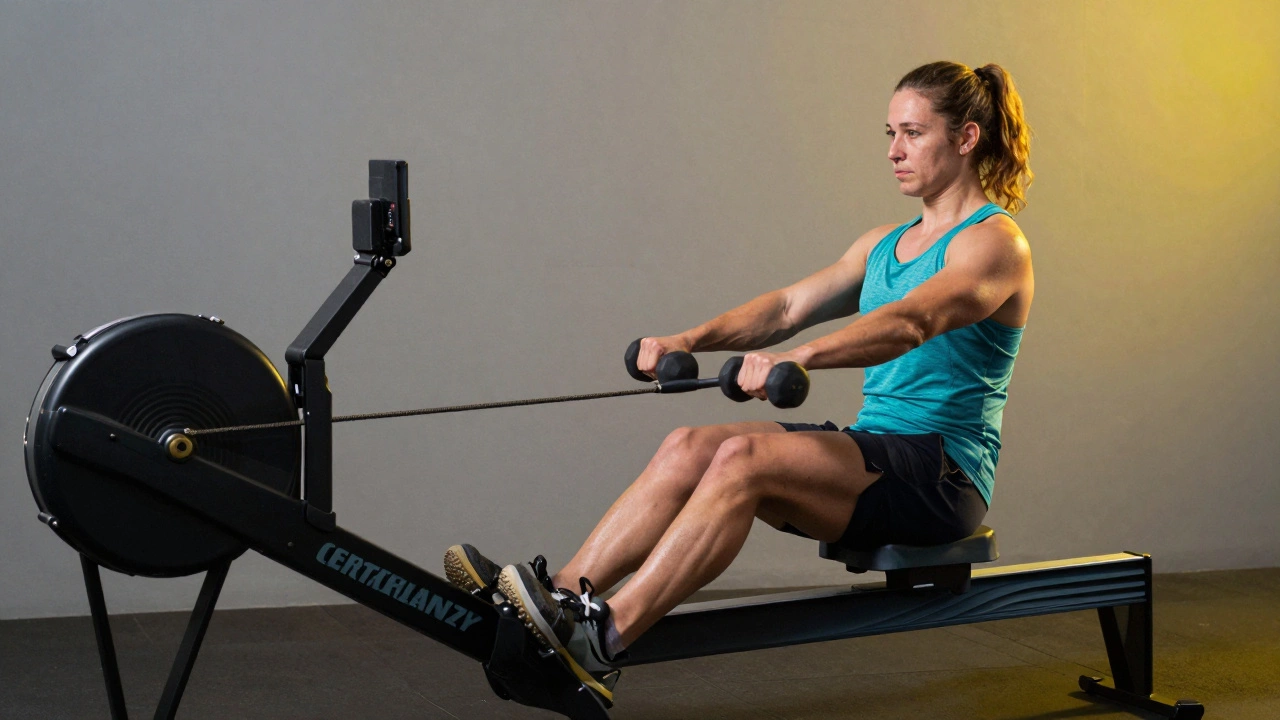
Consider activities like rowing, cross-country skiing, or circuit training with dumbbells. Rowing, for instance, is a full-body movement that hits the legs, core, back, and arms. It builds endurance and strength in the same session. Similarly, adding light weights to your cardio routine-such as holding dumbbells during lunges or wearing a weighted vest during hill sprints-can help maintain muscle tension throughout the movement.
This approach bridges the gap between traditional cardio and strength training. It ensures that while you are sweating and raising your heart rate, you are also providing mechanical tension to your muscles, signaling them to stay dense and firm. For many people, this is the sweet spot for achieving a balanced, toned physique without spending hours in the gym.
Structuring Your Weekly Cardio Plan
To maximize toning results, you shouldn't treat all cardio days the same. Variety prevents plateaus and ensures you hit different energy systems. Here is a sample weekly structure that balances intensity, recovery, and muscle preservation:
| Day | Type of Cardio | Purpose | Duration |
|---|---|---|---|
| Monday | HIIT | Metabolic boost & fat burn | 20 mins |
| Tuesday | Strength Training + Light Walk | Muscle maintenance & recovery | 30 mins walk post-lift |
| Wednesday | Steady-State (LISS) | Active recovery & direct fat oxidation | 45 mins |
| Thursday | Strength Training | Muscle density | N/A |
| Friday | HIIT or Hybrid Circuit | Full-body engagement | 25 mins |
| Saturday | Long Steady Activity | Endurance & mental health | 60+ mins |
| Sunday | Rest or Gentle Yoga | Recovery | N/A |
Notice how HIIT is spaced out with at least one day of rest or low-intensity activity in between. This spacing is crucial. If you stack two HIIT sessions back-to-back, your performance will drop, and your recovery will suffer. The steady-state days act as buffers, allowing your body to clear lactate and repair tissues without stopping your progress.
Nutrition: The Silent Partner in Toning
You cannot out-cardio a bad diet. No matter how much interval training you do, if you are consuming more calories than you burn, you will not reveal your muscle definition. However, the *type* of cardio you choose influences your nutritional needs.
When doing HIIT, your body depletes glycogen stores rapidly. Ensure you are eating adequate carbohydrates around your workout window to fuel those intense efforts. Without carbs, you may feel sluggish and unable to hit the required intensity, rendering the session less effective. On steady-state days, your carb needs are lower since you are relying more on fat for fuel.
Protein is non-negotiable for toning. Aim for 1.6 to 2.2 grams of protein per kilogram of body weight daily. This intake provides the amino acids necessary to repair muscle fibers damaged during both cardio and strength training. If you cut protein too low while increasing cardio volume, your body will break down muscle tissue for energy, resulting in a softer, less defined look. Pair your cardio with a balanced meal containing protein and healthy fats within two hours of finishing your workout to optimize recovery.
Avoiding Common Pitfalls
Many people sabotage their toning goals with well-intentioned mistakes. One common error is doing too much cardio too soon. If you are new to exercise, jumping straight into high-intensity intervals can lead to injury or burnout. Start with steady-state cardio to build a base level of cardiovascular fitness before introducing high-impact intervals.
Another pitfall is neglecting progressive overload in your strength training. As you lose fat through cardio, your muscles must remain challenged to stay firm. If you stop lifting heavy weights because you think cardio will do the work, you will lose the shape you are trying to reveal. Keep your strength training intense, even if you reduce the volume slightly to accommodate cardio.
Finally, listen to your body. Joint pain, persistent fatigue, or insomnia are signs that you are overdoing it. Toning is a marathon, not a sprint. Consistency over months yields far better results than extreme intensity over weeks. Adjust your plan based on how you feel, not just what the calendar says.
Does cardio alone tone your body?
No, cardio alone rarely tones the body effectively. While cardio helps reduce body fat, it does not build or maintain the muscle density required for a defined look. Without resistance training, you risk losing muscle mass along with fat, leading to a softer appearance. Combining cardio with strength training is essential for true toning.
Is HIIT better than steady-state cardio for toning?
HIIT is generally more time-efficient and better at preserving muscle mass due to its recruitment of fast-twitch fibers and the EPOC effect. However, steady-state cardio is excellent for recovery and direct fat burning during the session. The best approach combines both: HIIT for metabolic conditioning and steady-state for active recovery and additional calorie expenditure.
How much cardio should I do per week to tone up?
Aim for 150 to 300 minutes of moderate-intensity cardio or 75 to 150 minutes of vigorous-intensity cardio per week, as recommended by health guidelines. For toning specifically, split this into 2-3 HIIT sessions and 2-3 steady-state sessions, ensuring you have at least one rest day. Quality and consistency matter more than sheer volume.
Can I do cardio every day to lose fat faster?
While you can do low-intensity cardio daily, doing high-intensity cardio every day is not recommended. It leads to overtraining, increased cortisol levels, and potential injury. Rest days are crucial for muscle repair and hormonal balance. Overtraining can actually hinder fat loss by slowing down your metabolism and causing water retention.
What is the best time to do cardio for toning?
The best time is whenever you can be consistent. Some prefer fasting morning cardio to tap into fat stores, while others prefer post-workout cardio to deplete remaining glycogen. The total daily energy expenditure matters more than the timing. Choose a time that fits your schedule and allows you to perform the workout with proper intensity and form.