High-Intensity Interval Training: What It Is, How It Works, and What Really Works
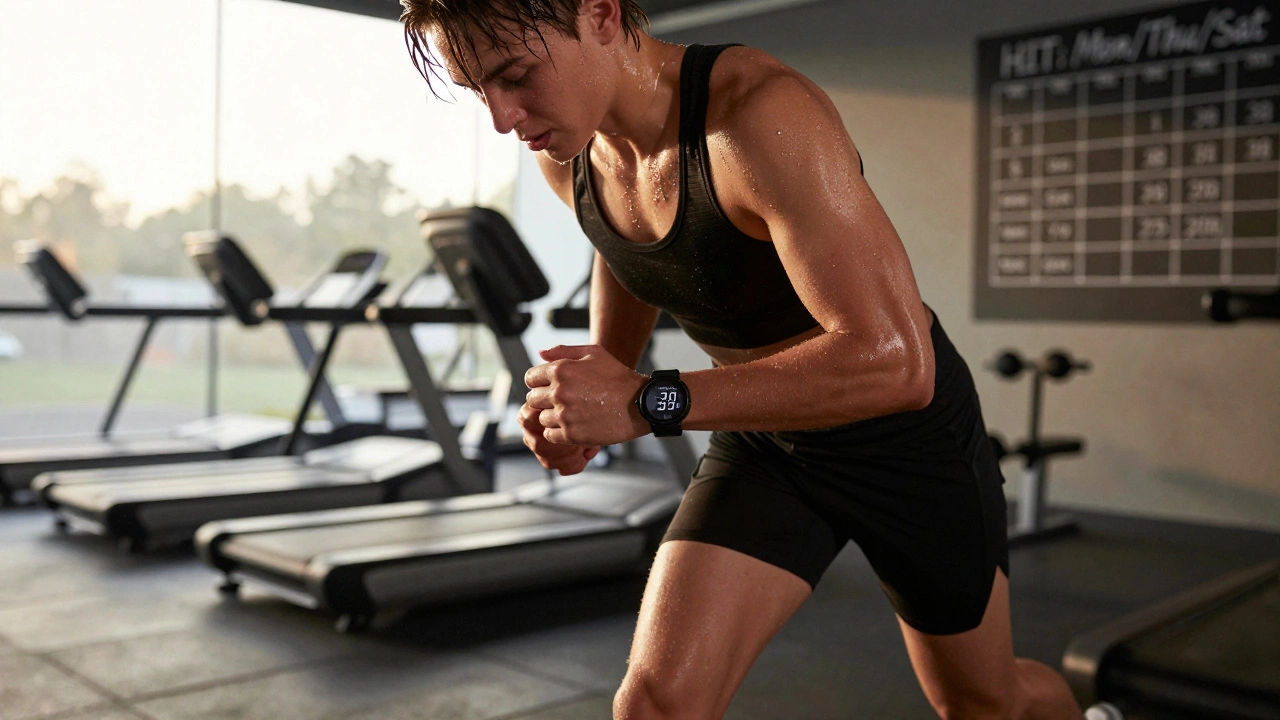
When you hear high-intensity interval training, a workout style that alternates short bursts of all-out effort with brief recovery periods. Also known as HIIT, it’s not just another fitness trend—it’s a proven way to burn fat, boost metabolism, and build endurance without spending hours in the gym. You don’t need equipment, a gym membership, or even a yoga mat. Just your body, a clock, and the willingness to push hard for a few minutes at a time.
What makes HIIT, a training method built on intensity and timing. Also known as high-intensity interval training, it works by flipping your body’s energy systems on and off—forcing your heart to work harder, your muscles to burn more fuel, and your metabolism to keep burning calories long after you stop. It’s not about how long you train—it’s about how hard you go during those short windows. That’s why a 20-minute HIIT session can outperform a 60-minute steady jog. And unlike long cardio, it doesn’t eat into your muscle. In fact, when paired with strength training, it helps you keep the muscle you’ve built while shedding fat. That’s the sweet spot.
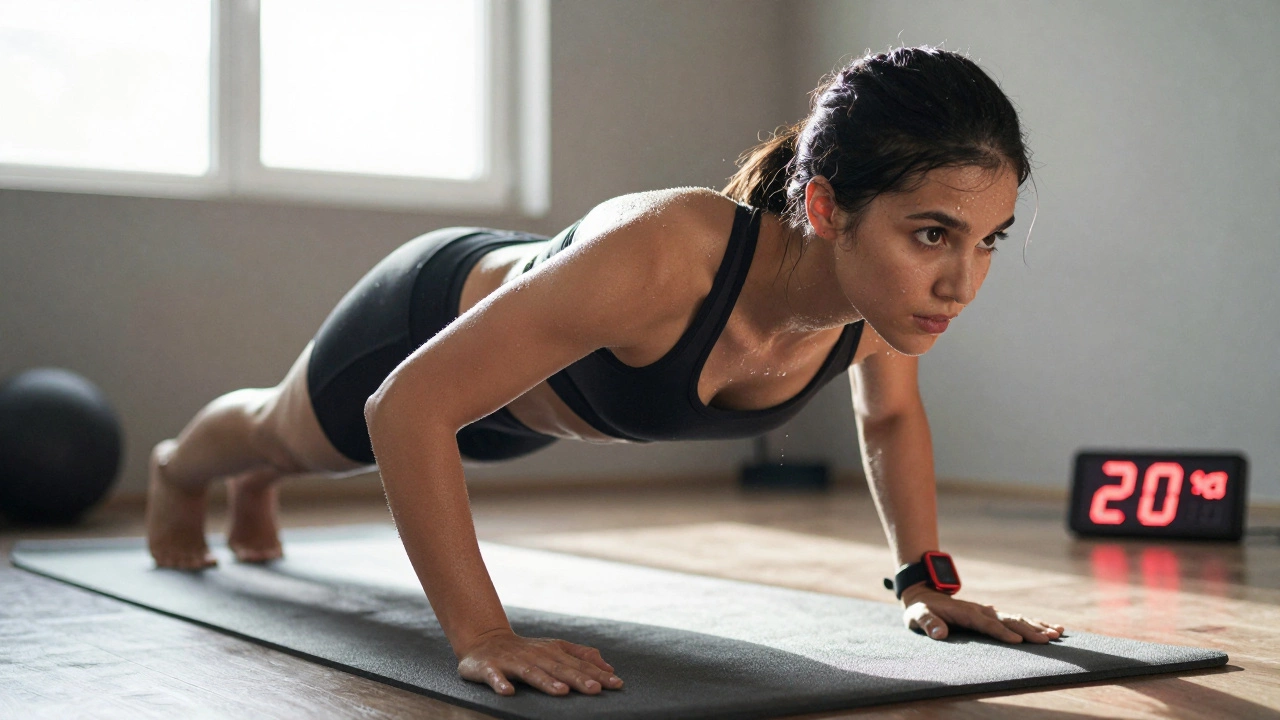
Some people think HIIT means sprinting until you collapse. But it doesn’t. It could be 30 seconds of bodyweight squats, 15 seconds of rest, then 30 seconds of mountain climbers. Or jumping jacks, plank taps, and burpees done in a loop. The HIIT exercises at home, simple, equipment-free movements that raise your heart rate quickly. Also known as bodyweight HIIT, they’re perfect for busy women who want results without leaving the living room. You don’t need a treadmill or a dumbbell set. Your own weight is enough. And because these workouts are short, they’re easier to stick with—especially if you’re new to fitness or juggling work, family, or recovery.
But here’s the thing: HIIT isn’t magic. It doesn’t melt belly fat by itself. It works best when it’s part of a bigger picture—better sleep, less sugar, consistent movement. That’s why the posts below don’t just list killer HIIT routines. They show you what actually delivers results. Like how walking every day might be more sustainable than five brutal HIIT sessions a week. Or why combining HIIT with strength training gives you longer-lasting changes than either one alone. And yes, they answer the question: What is the best HIIT exercise? Spoiler: it’s not one move. It’s the right mix for your body, your energy, and your goals.
You’ll find real talk here—not hype. No 10-minute miracles. No promises of six-pack abs in a week. Just clear, honest advice from women who’ve tried it all and found what sticks. Whether you’re wondering if HIIT is too hard for beginners, how often you should do it, or whether it’s better than running or yoga, the answers are in the posts below. You’ll see which workouts actually fit into a real life. Which ones leave you feeling strong, not drained. And which ones you can do even on days when you’re tired, sore, or just not feeling it.