
Should I Stop Wearing a Fitness Tracker? An Honest Review for 2026
Discover if your fitness tracker causes more anxiety than health benefits. Explore privacy risks, data accuracy, and alternatives to digital health monitoring.
Read MoreWhen we talk about fitness, a way to build strength, move with ease, and feel confident in your skin. Also known as physical wellness, it’s not about fitting into a size or chasing a number on the scale—it’s about what your body can do, day after day. For curvy women, fitness often gets twisted into something painful or exclusive. But real fitness? It’s walking longer without getting winded. It’s holding a yoga pose without shaking. It’s lifting heavier and feeling powerful, not exhausted.
Strength training, using your own body or added resistance to build muscle and burn fat. Also known as resistance training, it’s the most effective tool for reshaping your body over time. You don’t need to lift heavy weights in a gym to start. Bodyweight squats, wall push-ups, and resistance bands work just as well. Most people see real strength gains in just 2–4 weeks—not because they trained harder, but because they trained consistently. And HIIT, short bursts of intense movement followed by rest. Also known as high-intensity interval training, it’s not magic—but it’s efficient. If you’ve got 20 minutes, HIIT can boost your metabolism and burn fat without running for miles. But here’s the truth: HIIT won’t fix what poor sleep and too much sugar break. That’s why walking every day, even for 30 minutes, often does more for belly fat than any 10-minute tabata.
Yoga isn’t just stretching—it’s body transformation, the slow, steady change in strength, flexibility, and mental calm that comes from regular practice. Also known as movement-based wellness, it’s the quiet hero of fitness for curvy bodies. You don’t need to touch your toes to benefit. Child’s pose, supported bridge, and seated forward folds reduce stress, ease back pain, and teach you how to breathe through discomfort. And when you show up for 40 days in a row? That’s when your nervous system resets, your confidence grows, and fitness stops feeling like a chore.
What you’ll find here isn’t a list of quick fixes or impossible goals. It’s the real talk: how long it actually takes to see results, why rest days matter more than you think, which fitness trackers work without charging you monthly, and why the best exercise for belly fat might be the one you already do—walking. No gym membership needed. No special gear. Just honest advice for women who want to move better, feel stronger, and stop apologizing for their bodies.
Discover if your fitness tracker causes more anxiety than health benefits. Explore privacy risks, data accuracy, and alternatives to digital health monitoring.
Read More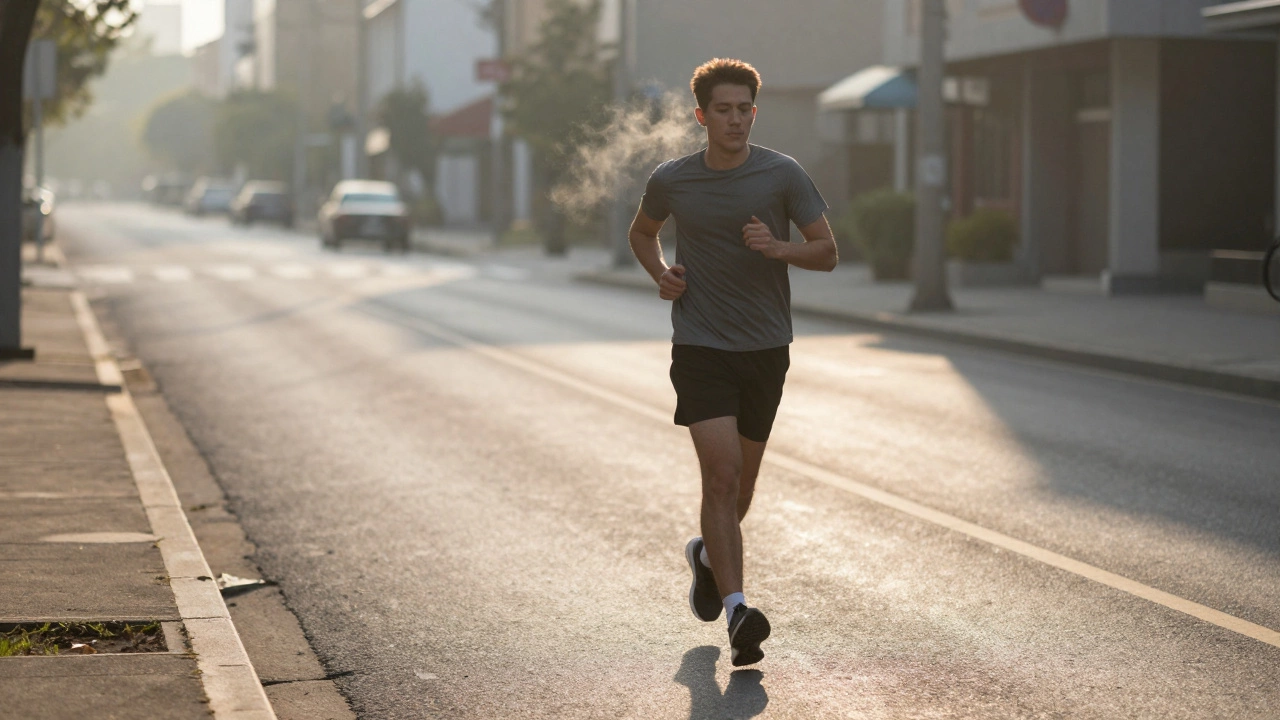
Running one mile a day alone won't melt belly fat, but when paired with better nutrition and strength training, it's a powerful habit that builds momentum. Here’s what actually works - and what doesn’t.
Read More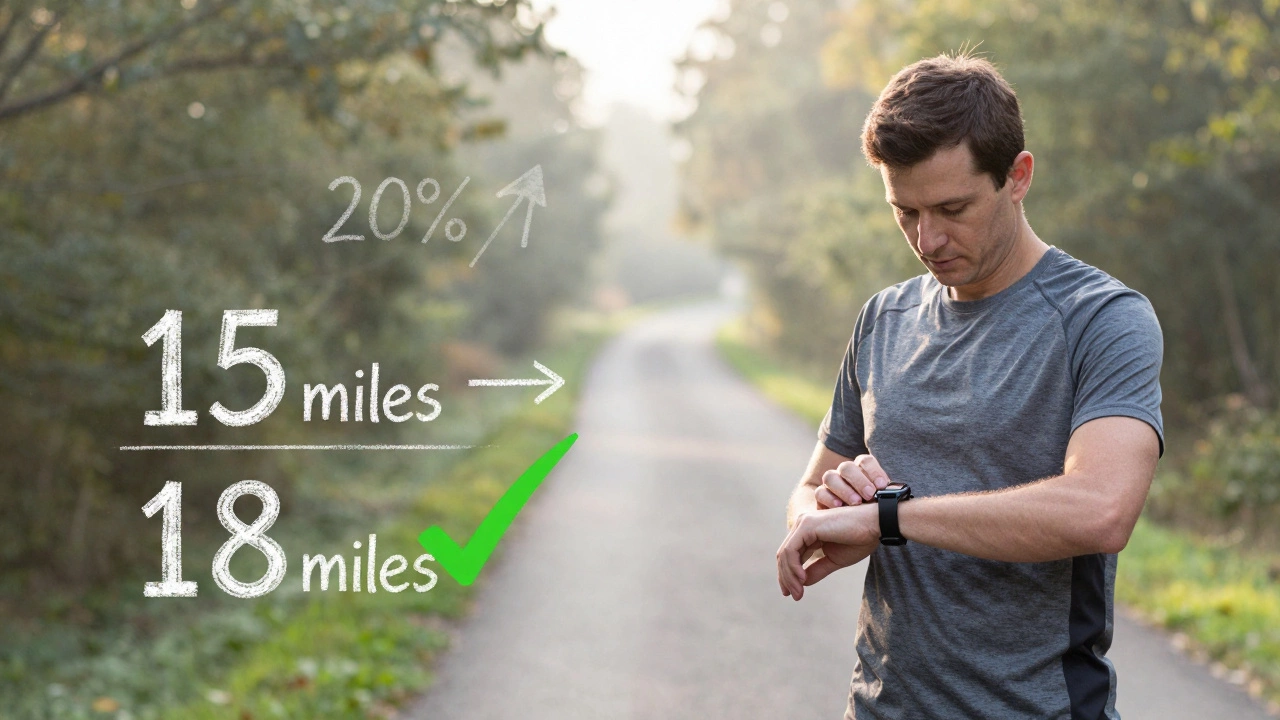
The 20% rule in running helps you increase mileage safely to avoid injury and build endurance. Learn how to apply it, when to break it, and why it works better than the old 10% rule.
Read More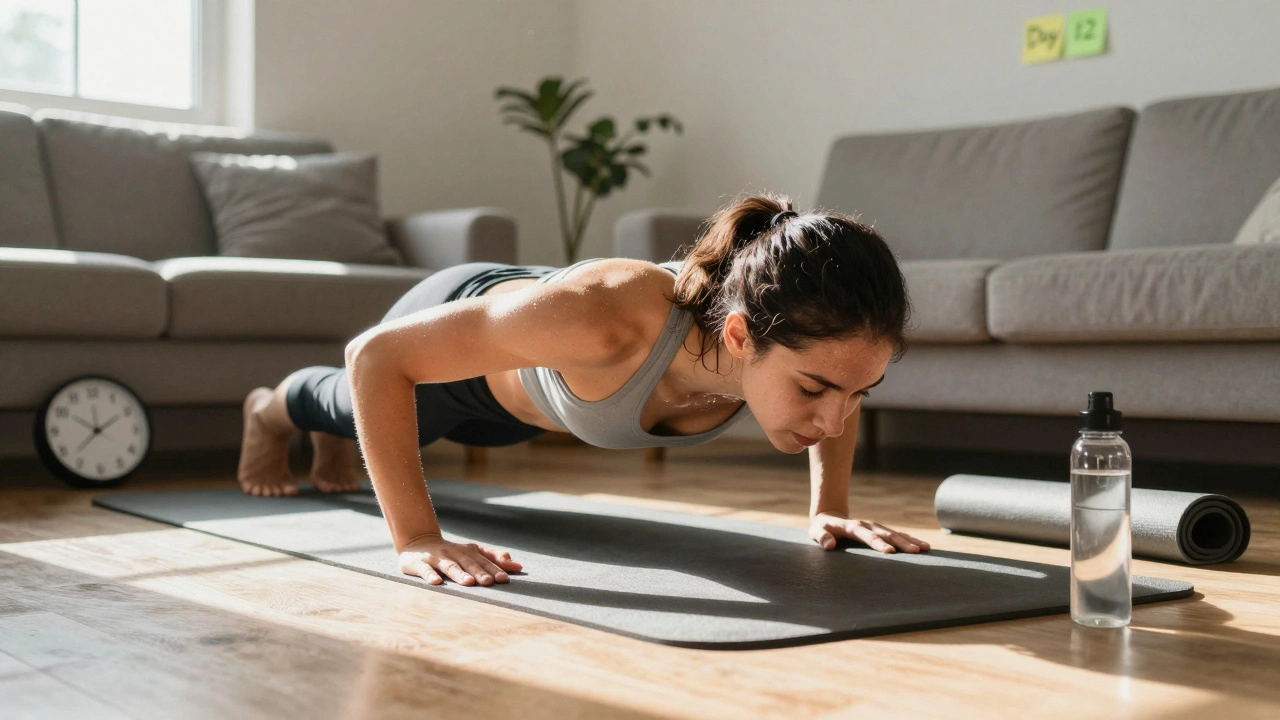
You can transform your body in two months with consistent home workouts and smart eating. No gym needed. Just 30 minutes, four times a week, and real food. Here’s exactly how.
Read More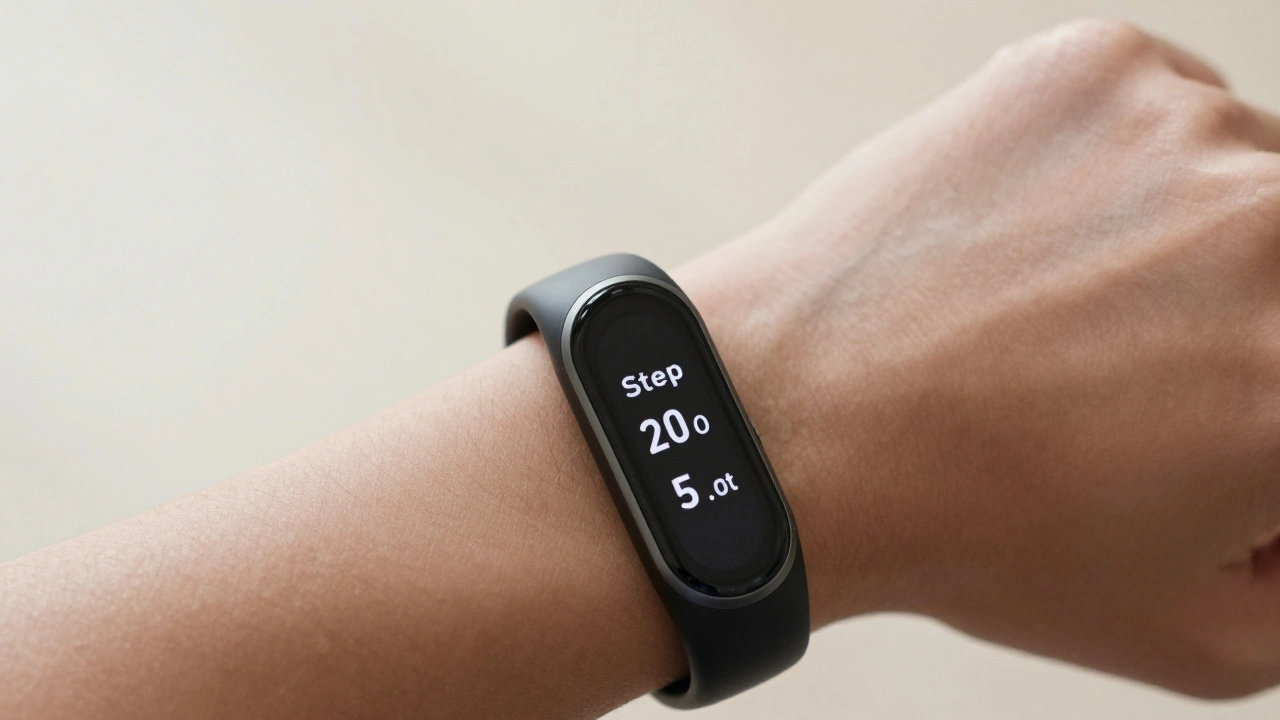
Fitness trackers and fitness watches both monitor activity, but one is a simple tool for basic tracking, while the other is a full smartwatch with advanced health data. Learn which one fits your goals.
Read More
Your iPhone can track steps, distance, and workouts without extra gear-but it has limits. Learn exactly what it measures accurately, where it falls short, and how to make the most of it.
Read More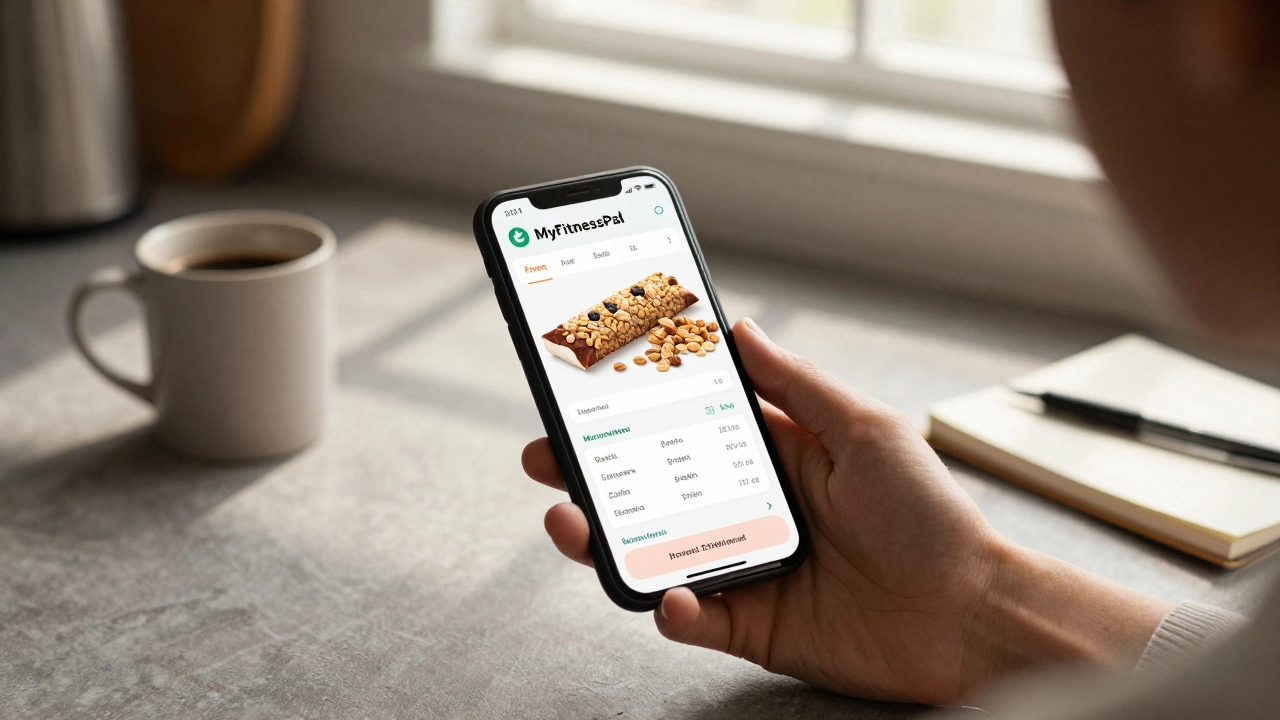
MyFitnessPal offers a free version with solid calorie tracking, but Premium unlocks advanced nutrition insights, ad-free use, and workout analytics. Here’s what you get for free and when it’s worth paying.
Read More
How many miles is 10,000 steps? The answer depends on your height, stride, and walking style. Learn how to calculate your exact distance and why the number matters for your health.
Read More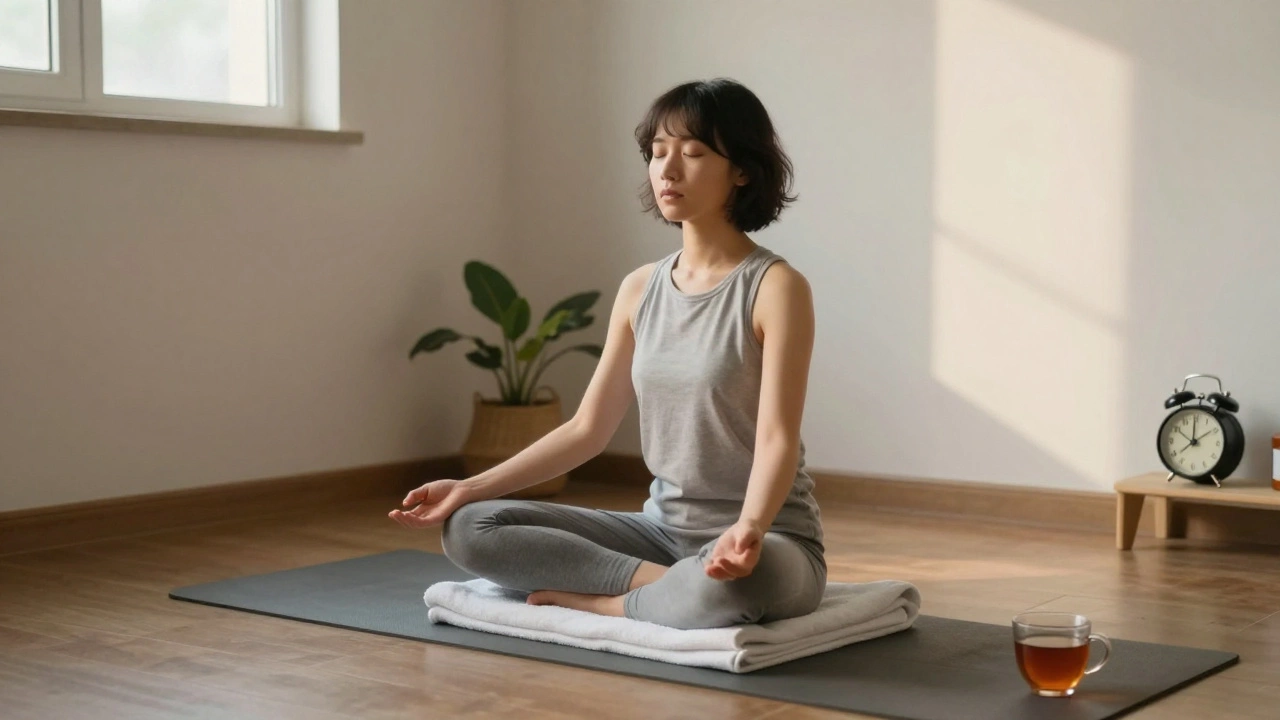
Beginners should start with just 10 to 15 minutes of yoga daily to build consistency without burnout. Short sessions improve sleep, reduce stress, and increase body awareness over time. Progress comes from regular practice, not duration.
Read More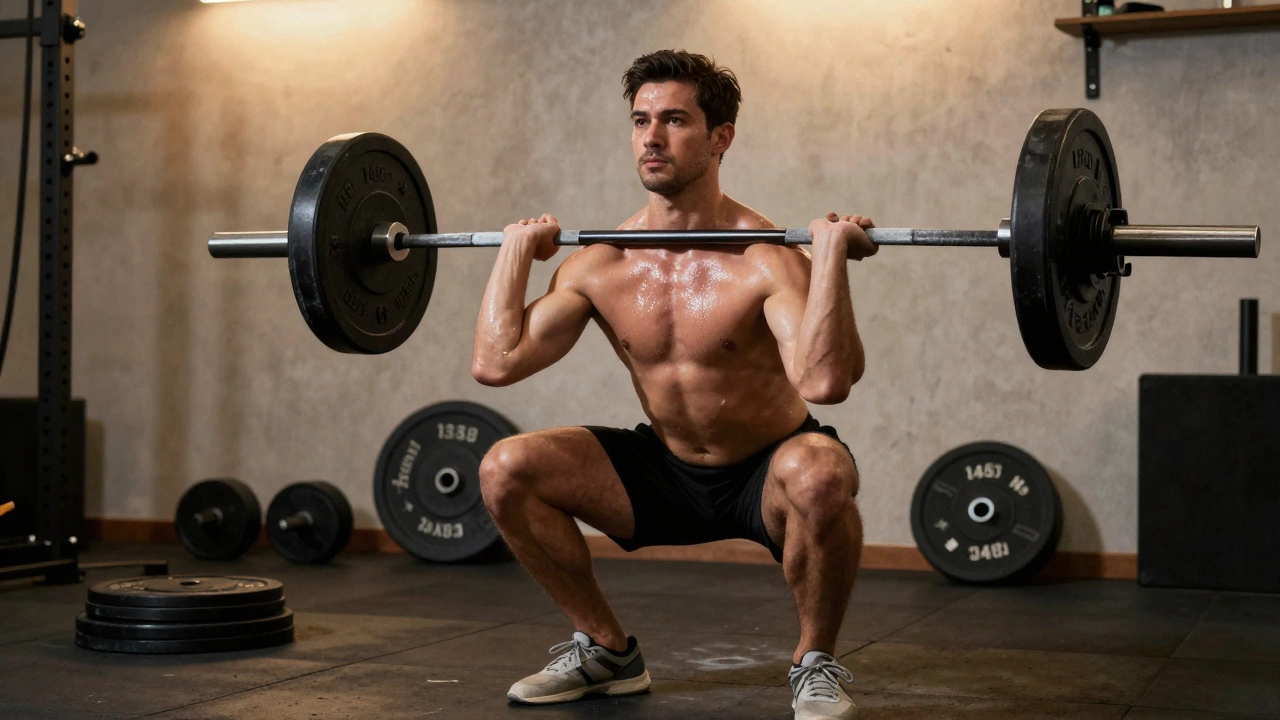
The fastest way to build strength is through progressive overload with compound lifts like squats, deadlifts, and bench presses. Consistency, frequency, and recovery matter more than heavy one-rep maxes. Real strength takes weeks, not days.
Read More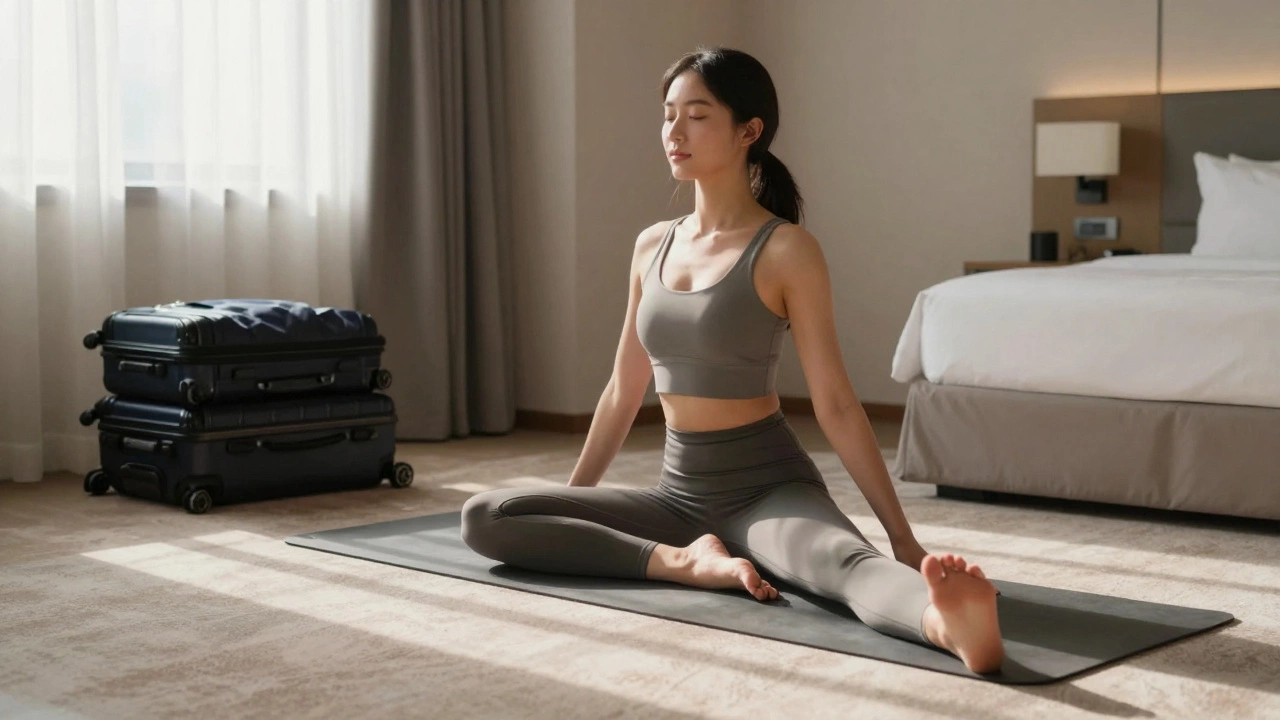
Victoria's Secret models use yoga not for flexibility or weight loss, but to recover, prevent injury, and stay calm under pressure. Their routines are short, practical, and focused on function - not form.
Read More
The personal training industry has a shocking turnover rate - nearly one in three trainers quit within a year. This article breaks down why so many leave, what they earn, and how the system fails both trainers and clients.
Read More